
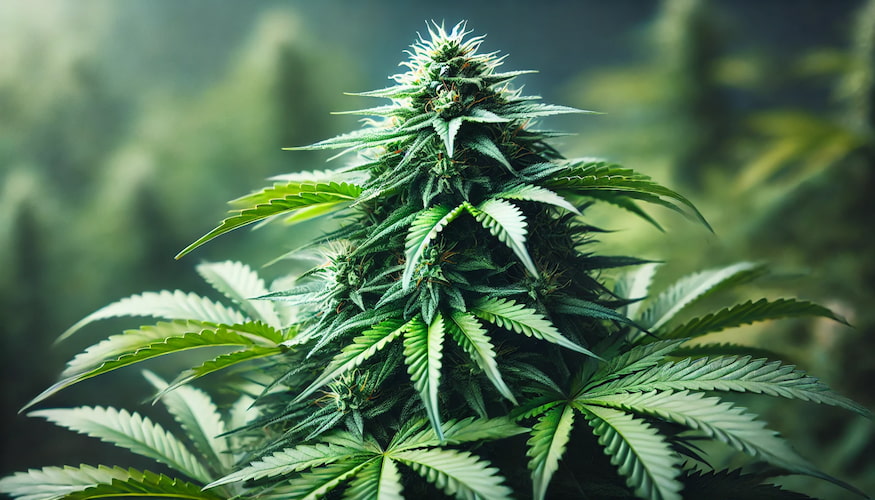
Best High-Yield Cannabis Clones for Bigger Harvests

Rare cannabis clone strains

High yield cannabis clones are cultivars with the genetic structure, growth vigor, and bud architecture to produce 2–5+ ounces per plant under optimized conditions indoors, or well over a pound per plant outdoors. The best-yielding clones combine generous lateral branching, rapid cell division in veg, large calyx-to-leaf ratio in flower, and the structural strength to support heavy buds without staking — all traits that are fully locked in and verified before you ever root the cutting.

At IWantClones.com, we work with licensed California nurseries to source the most vigorous, proven cuts in the market. Our team has seen firsthand which genetics actually deliver at harvest and which ones overpromise. This guide covers what drives yield from a cultivation science standpoint, the specific strains from our catalog that consistently put up the biggest numbers, and the training and environmental strategies that turn good genetics into exceptional harvests.

  • Yield is primarily driven by four factors: genetics, light intensity, canopy training, and environment. Great genetics with poor light or no training will underperform; average genetics with optimal conditions and ScrOG training can outperform.
  • High-yielding cultivars typically show vigorous veg growth (2–3 inches of new growth per day under good conditions), multiple lateral branches without topping, and dense bud set.
  • ScrOG (Screen of Green) is the single most effective training method for maximizing yield indoors — it fills the light footprint completely and pushes every branch to produce a top-quality cola.
  • Clones from a proven mother plant guarantee genetic consistency — every cutting has the same yield potential as the mother, with no phenotype variation wasted on low-yielders.
  • Indoor yield targets: 1–2 oz/sq ft under optimized conditions. A 4×4 tent (16 sq ft) with a well-trained ScrOG and a high-yield strain can realistically produce 1–2 lbs per cycle.
  • Commercial and bulk growers save significantly per unit on clone costs vs. seeds when running high-yield genetics at scale — consistent phenotypes mean consistent output per light.

What Drives Yield in Cannabis: The Science Behind Big Harvests

Understanding what actually creates yield helps you make better decisions at every stage of the grow. Yield is not just genetics — it is the interaction of genetics with your specific growing environment and technique.

Genetics: The Ceiling on Your Harvest

Genetics set the theoretical maximum yield for any given plant under any given set of conditions. A cultivar with small, airy buds and a low calyx-to-leaf ratio cannot be trained into a dense, heavy producer. Conversely, a cultivar bred specifically for indoor commercial production — like Gorilla Glue #4, Bruce Banner, or GMO Cookies — has the genetic ceiling to produce exceptional harvests when conditions are right.

Key genetic yield traits to look for in a clone include: multiple lateral branching from the lower nodes without training required, large calyx development relative to leaf size (a high bud-to-leaf ratio means more product per square foot), strong stems and nodes capable of supporting heavy bud load without staking, and vigorous early veg growth indicating high root and cell division activity.

Light Intensity and DLI

Light is the engine of yield. Cannabis in flower uses light through photosynthesis to produce the sugars that become cannabinoids, terpenes, and bud mass. Yield is directly correlated with light delivery — up to the plant’s saturation point. For most cultivars without supplemental CO₂, that saturation point is approximately 900–1,000 µmol/m²/s (micromoles per square meter per second of PAR light).

A quality 600W LED covering a 4×4 tent, dialed to the correct hanging height and distance, can deliver 700–900 µmol/m²/s across the canopy — sufficient to drive serious yields. Growers running CO₂ at 1,200–1,500 ppm can push PPFD to 1,000–1,500 µmol/m²/s and see proportional yield gains. See our light requirements for cannabis clones guide for a full breakdown of optimal PPFD by growth stage.

Canopy Training: Turning Genetic Potential into Realized Yield

Training is the multiplier that turns a high-yield cultivar’s genetic potential into actual grams in the jar. An untrained cannabis plant with a dominant central cola will put the majority of its energy into that single top — delivering moderate yield from one large bud while lower branches lag behind. A ScrOG-trained plant redirects that same energy across dozens of equal-height bud sites, all within the optimal light zone, dramatically increasing total yield from the same plant.

The practical yield difference between an untrained plant and a well-executed ScrOG of the same genetics and environment can be 50–100% — the equivalent of harvesting two plants instead of one from the same square footage.

Environment: Keeping Plants in the Productive Zone

Temperature, humidity, VPD, CO₂ concentration, and root zone health all affect yield. A plant running in suboptimal conditions — too hot, too dry, nutrient-stressed, or root-bound — cannot express its full genetic yield potential regardless of training. Keeping all environmental variables in their optimal ranges throughout the flowering stage is what separates average grows from exceptional ones.

Key flower-stage targets for maximum yield: canopy temperature 72–82°F (22–28°C), relative humidity 40–55% RH, VPD 1.0–1.5 kPa, CO₂ at ambient (400 ppm) to supplemented (1,200–1,500 ppm), and adequate root zone oxygenation (critical in soil; even more so in coco and hydro). For a complete environmental management guide, see our climate and environment for cannabis clones resource.

Key Takeaways

  • Yield in cannabis is determined by four interacting factors: genetics, light intensity, canopy training, and environment — optimizing all four is required to reach a cultivar’s ceiling.
  • High-yield genetics are identifiable by vigorous lateral branching, large calyx-to-leaf ratio, dense bud structure, and rapid veg growth of 2–3 inches per day under good conditions.
  • ScrOG (Screen of Green) training is the most effective yield-maximizing method for indoor growers, distributing canopy energy evenly across dozens of bud sites and increasing total harvest by 50–100% compared to untrained plants.
  • Gorilla Glue #4, Bruce Banner, and GMO Cookies consistently rank among the top-performing high-yield clones due to their dense bud architecture, strong branching, and proven production numbers.
  • Clones from a verified mother plant guarantee that every cutting inherits the same genetic yield potential, eliminating the phenotype variation and low-yielder risk inherent in seed grows.
  • A well-executed ScrOG of high-yield genetics in a 4×4 tent (16 sq ft) under optimized conditions can realistically produce 1–2 lbs of finished flower per cycle.

High-Yield Cannabis Clone Trait Comparison Table

Trait High-Yield Genetic Profile Low-Yield Genetic Profile
Branching structure Multiple lateral branches naturally; wide node spacing in veg Single-dominant-cola structure; minimal laterals
Bud density Dense, compact calyxes with high bud-to-leaf ratio Airy, loose buds with high leaf-to-bud ratio
Calyx size Large, swollen calyxes that stack tightly Small calyxes; thin bud structure
Veg growth rate Vigorous; 2–3 inches of new growth per day under strong light Slow to moderate; under 1 inch per day
Root development Fast, aggressive root development; fills containers quickly Slow root development; can sit in containers long-term without filling
Training response Rapid recovery after topping; pushes lateral branches aggressively Slow recovery from topping; minimal lateral push
Flower time 8–10 weeks with dense, heavy bud by week 6 Often 10–14 weeks; late-developing buds that swell slowly
Stem strength Thick, strong stems and branches capable of supporting heavy buds Thin stems that require staking by mid-flower
Resin production Heavy trichome coverage across buds and sugar leaves Light trichome coverage; minimal sugar leaf resin
Indoor yield potential 1.5–3+ oz per plant under ScrOG; 1–2 oz/sq ft 0.5–1 oz per plant; under 0.5 oz/sq ft

Top High-Yield Cannabis Clones from Our Catalog

The following cultivars are some of the highest-producing cuts we carry — tested by commercial growers and home growers alike. All are available as rooted clones shipped overnight.

Gorilla Glue #4 — The Commercial Standard for Indoor Yield

Gorilla Glue #4 (GG4, also called Original Glue) is a cross of Chem’s Sister, Sour Dubb, and Chocolate Diesel bred by GG Strains. It became the commercial benchmark for indoor yield in the 2010s and remains one of the most widely grown cultivars in US licensed facilities for good reason: it is exceptionally vigorous in veg, develops a massive lateral branch structure without excessive training, and produces extraordinarily dense, resin-saturated buds that swell dramatically in the final 2 weeks of its 9–10 week flower time.

GG4 is not a beginner strain — it feeds heavily (EC 2.0–2.5 in flower), drinks fast, and can develop cal-mag deficiency if supplementation is not proactive. But for any grower who has dialed in their environment and feeding program, the returns are exceptional. Expect 2–4 oz per plant in a ScrOG under a quality 600W LED, with resin production that makes it particularly valuable for hash and concentrate production as well. THC levels regularly test 25–30%.

GG4 responds extremely well to ScrOG — its vigorous lateral branching fills a screen faster than almost any other cultivar we carry. Top it once at 5–6 nodes, veg until branches reach the screen, then weave and fill before flipping. Order a Gorilla Glue #4 clone from IWantClones.com and see why commercial growers keep coming back to this cut.

Bruce Banner #3 — Explosive Growth and Top-Shelf Potency

Bruce Banner #3 is a phenotype of Bruce Banner (OG Kush × Strawberry Diesel) selected by Delta9 Labs for its exceptional potency and vigorous growth habit. The #3 pheno became famous partly because it was verified at over 28% THC in lab testing — at the time one of the highest publicly documented results. Equally important for yield-focused growers: it grows like the Hulk.

Veg growth on Bruce Banner #3 is genuinely impressive. Under 18 hours of strong light, established plants push 2–3 inches of new growth per day. The lateral branching is generous even without topping — though topping at 4–5 nodes and running ScrOG fully expresses its yield potential. Flower time runs 9–10 weeks. Buds are large, dense, and covered in a thick layer of resin by week 6.

Bruce Banner has a complex terpene profile — earthy, sweet, and diesel — that appeals to both recreational and medical markets. Its high THC ceiling (25–30%) and excellent bag appeal make it particularly popular with growers supplying dispensaries or selling to extraction facilities. Pair it with ScrOG and a dialed-in CO₂ setup for maximum returns. Get your Bruce Banner #3 clone here.

GMO Cookies — Dense, Potent, and Built for Production

GMO Cookies (sometimes listed as Garlic Cookies, a cross of Chemdog and GSC, or as a phenotype selection within the broader Chemdog/GSC family) has built a reputation as one of the most consistently heavy-producing cuts in the California market over the past several years. The yields are not the airy, light kind — GMO throws extremely dense, compact, chunky buds with a high calyx-to-leaf ratio that makes trimming easier than average and maximizes the weight-to-volume ratio at harvest.

Structure-wise, GMO Cookies benefits from topping and ScrOG more than almost any other cultivar on this list. Left to grow freely, it tends toward a dominant central structure. Topped at 4–5 nodes and trained under a ScrOG screen, it becomes one of the most productive plants you can run in an indoor environment, with yields comparable to GG4 in the hands of an experienced grower.

Flower time is 9–10 weeks. THC levels regularly test 25–30%, and the distinct garlic-diesel-coffee terpene profile commands premium pricing in dispensaries. For concentrate producers, GMO is particularly prized — the rosin yields are exceptional. Order GMO Cookies clones and put one of California’s top commercial cuts to work in your garden.

ScrOG: The Most Effective Yield-Maximizing Training Method

ScrOG — Screen of Green — is the training technique that most consistently converts genetic yield potential into actual harvest weight in an indoor environment. It involves placing a horizontal screen (typically made of garden trellis netting or wire mesh) 12–18 inches above the base of the plant during vegetative growth and weaving branches through the grid as they grow. Once the screen is 70–80% full, you flip to 12/12 flowering photoperiod.

How ScrOG Works and Why It Increases Yield

The mechanism is straightforward. Without training, a cannabis plant allocates growth energy based on apical dominance — the highest point of the plant receives the most growth hormone (auxin) and grows fastest. Lower branches lag behind and receive less light, producing smaller buds with lower potency.

ScrOG eliminates apical dominance by physically equalizing the height of all branch tips. Every branch is woven to the same horizontal plane, at the same distance from the light. All bud sites receive equal light intensity. Growth hormone is distributed more evenly. The result: every branch produces a top-quality cola instead of a few big tops and many small popcorn buds.

The practical yield difference: an untrained 4×4 grow with 4 plants might produce 8–12 oz total. The same 4×4 with ScrOG applied to 2–4 high-yield plants can produce 16–32 oz — often more. Our detailed ScrOG vs SOG guide covers both methods in depth with setup diagrams and strain recommendations.

ScrOG Setup for Maximum Yield

Use a screen with 2×2 inch grid openings positioned 12–18 inches above the pot lip. Begin weaving branches under the screen as they reach it during veg. Top plants once at 4–6 nodes before they hit the screen — this dramatically increases the number of branches available to fill it. Continue filling the screen until 70–80% of the grid is covered by branch tips, then flip to 12/12.

After flipping, continue tucking branches under the screen for the first 1–2 weeks as the stretch continues. By week 3 of flower, branch tips should be poking through the screen and growing upward — these become your colas. Do not remove the screen once buds form; it becomes a support structure for heavy buds in late flower.

Topping and LST to Maximize ScrOG Efficiency

Top plants once at 4–5 nodes to create two main branches from one. Allow both branches to develop 3–4 nodes each, then apply LST to bend them outward and downward. This creates 4 main branches from one original plant before the screen is even introduced. With high-yield cultivars like GG4 or Bruce Banner, this approach can generate 8–12 main colas per plant in a 4×4 tent, each producing a large, tight cola by harvest. See our complete topping and LST guide for cannabis clones for step-by-step instructions.

Feeding High-Yield Cannabis Clones for Maximum Output

Heavy-producing cultivars are heavy feeders. GG4, Bruce Banner, and GMO all demand more nutrients than average strains to achieve their yield potential. Under-feeding these genetics in flower results in premature yellowing, reduced bud swell, and lower final weight.

A high-yield feeding program in flower typically runs at EC 1.8–2.5 (1,800–2,500 µS/cm) from weeks 1–6, with a gradual taper from weeks 6 to flush. Phosphorus and potassium drive bud swell in flower — look for a nutrient formula with a PK boost intended for mid-flower, often called a “bloom booster.” Cal-mag supplementation (calcium and magnesium) is especially important with CO₂-enhanced growing or under high-intensity LED lighting, where metabolic demand runs higher.

Monitor runoff EC to prevent salt buildup in the root zone, which caps nutrient uptake and stunts late-flower swell. A runoff EC more than 0.5 above your feed solution EC indicates accumulation — flush with plain water for one watering to reset. Our complete cannabis clone feeding guide covers EC targets by growth stage and strain type.

Commercial and Bulk Considerations for High-Yield Clones

For licensed commercial growers and serious hobbyists running multiple lights, the economics of clones vs. seeds become particularly compelling at scale. A commercial operation running 10 lights with 10 plants per light needs 100 consistent, proven plants per cycle. With seeds — even feminized ones — phenotype variation is the enemy of consistent commercial output. A batch of seeds produces a population: some plants will be top producers, some will be average, some will be outliers.

With clones from a verified mother plant, every plant in the room is genetically identical to the best-performing plant ever selected from that cultivar. You are not running a population — you are running 100 copies of your best plant. Yield consistency, harvest timing, curing profiles, and product quality are all more predictable.

Per-Light Yield Targets for Commercial Growers

Light Setup Plants per Light Target Yield per Light (High-Yield Clone) Annual Yield (5 cycles/year)
600W LED (4×4 footprint) 2–4 (ScrOG) 16–32 oz (1–2 lbs) 80–160 oz (5–10 lbs)
1,000W HPS (4×4 footprint) 4–6 20–40 oz (1.25–2.5 lbs) 100–200 oz (6.25–12.5 lbs)
600W LED (2×4 footprint) 2 (ScrOG) 8–16 oz 40–80 oz
Outdoor (per plant, full season) 1 1–5+ lbs 1 cycle/year

These are achievable ranges with optimized light, feeding, VPD, and ScrOG training using high-yield genetics. Less experienced setups or suboptimal environments will fall in the lower end of these ranges. Adding CO₂ supplementation at 1,200–1,500 ppm in a sealed grow room can increase yield 20–30% above these targets under the right conditions.

Bulk and Wholesale Ordering for Commercial Grows

If you are running a commercial operation or simply want to maximize your setup with multiple lights, ordering clones in bulk significantly reduces your per-unit cost. At IWantClones.com we offer bulk and wholesale pricing for larger orders of verified, rooted clones. Visit our bulk orders and wholesale page for current pricing tiers, minimum quantities, and available cultivars for commercial orders. All clones ship overnight to ensure they arrive in optimal condition regardless of order size.

Are High-Yield Clones Worth It vs. Growing from Seed?

For any grower focused on maximizing harvest weight, clones from a proven high-yield mother plant are unambiguously superior to seeds for the following reasons:

No phenotype lottery: A seed packet — even feminized, even from a top breeder — produces a population with variation in yield potential, structure, and terpene profile. A clone from our catalog is from a mother that has already been selected as the top-performing phenotype of that cultivar. You are starting with the winner.

No sex identification wait: Regular seeds require sex identification in early flower; feminized seeds eliminate males but still have a small hermaphroditism risk. Clones are female, period — no wasted space, no wasted time, no risk of accidental pollination.

Shorter cycle: Clones skip the 2–3 week seedling phase entirely. That is 2–3 extra weeks of yield per year compared to starting from seed — roughly the equivalent of an additional half-cycle per year.

Proven genetics under your conditions: After your first cycle with a given clone, you have real data on how that specific cut performs in your specific environment. Dialing in nutrients, VPD, and training becomes faster and more precise because the genetic variable is fixed.

For a full breakdown of the clones vs. seeds question, see our are cannabis clones worth it guide.

Harvest Timing for Maximum Yield Weight

One of the most common yield mistakes — even among experienced growers — is harvesting too early. High-yield cultivars like GG4, Bruce Banner, and GMO Cookies continue to add significant bud mass in the final 1–2 weeks of flower. A plant harvested at week 8 when it needs 10 weeks can easily be 20–30% lighter than if it was allowed to finish.

The most reliable harvest indicator is trichome color under magnification (60–100x loupe or digital microscope). For maximum yield weight, harvest when the majority of trichomes on the bud (not the sugar leaves) have shifted from clear to milky white, with 10–20% showing amber. All-milky is the yield-weight peak. Waiting for 30%+ amber increases sedation effect but reduces overall mass.

Our detailed harvest timing guide covers all the visual and microscopic indicators for knowing exactly when to cut. Do not rush this step — for high-yield cultivars, the last week of flower often adds more weight than weeks 4 and 5 combined.

Starting Your High-Yield Grow: Next Steps

Ready to grow some of the most productive cannabis clones available in the US market? Here is the fast-track setup checklist:

  1. Choose your cultivar: GG4, Bruce Banner #3, or GMO Cookies for maximum yield. All available from our online store.
  2. Set up your tent or room with a quality LED or HPS at the right wattage for your footprint. Target 600–900 µmol/m²/s at canopy during flower.
  3. Install a ScrOG screen at 12–18 inches above your pot tops.
  4. Top plants once at 4–6 nodes and apply LST to spread branches outward before they hit the screen.
  5. Veg until the screen is 70–80% full, then flip to 12/12.
  6. Feed at EC 1.8–2.5 in flower with a phosphorus-heavy bloom formula. Supplement cal-mag proactively.
  7. Keep temperature 72–82°F, humidity 40–55% RH, and VPD 1.0–1.5 kPa throughout flower.
  8. Harvest when trichomes are 80–90% milky white under 60x magnification.

For higher-volume orders or if you are running multiple lights, check our bulk clone pricing. All clones ship overnight across the US with our 3-day no-bullshit guarantee. Questions about which cut fits your specific setup? Our high-THC cannabis clone strains guide covers the top potency-focused cultivars, many of which overlap with the highest-yield options covered here.

Legal Note

Cannabis cultivation laws vary by state and locality. As of 2026, many US states permit adult home cultivation; others restrict or prohibit it. Additionally, on April 23, 2026, the DEA placed FDA-approved and state-licensed medical marijuana into Schedule III, while recreational and unlicensed activity remains Schedule I federally. A broader rescheduling hearing runs June 29 through July 15, 2026. Always verify your current state and local laws before starting a grow — they change. See our state laws on cannabis clones page for a current overview.

Frequently Asked Questions

What are the highest-yielding cannabis clone strains?

Gorilla Glue #4 (GG4), Bruce Banner #3, and GMO Cookies consistently rank among the highest-yielding cannabis clones in indoor grows. All three feature vigorous veg growth, generous lateral branching, dense bud architecture, and proven yields of 1.5–3+ ounces per plant under ScrOG. GG4 and Bruce Banner #3 are particularly popular in commercial operations for their consistency and potency.

How much can a high-yield cannabis clone produce indoors?

Under optimized conditions — quality LED lighting at 600–900 µmol/m²/s, ScrOG training, EC 2.0–2.5 feeding in flower, and tight environmental control — high-yield cultivars like GG4 and Bruce Banner can produce 2–4 oz per plant, or 1–2 oz per square foot of canopy. A 4×4 tent with ScrOG can realistically yield 1–2 lbs per cycle with top genetics and proper technique.

Is ScrOG or SOG better for maximizing cannabis yield?

ScrOG (Screen of Green) typically produces higher yields per plant and per square foot when growing vigorous, high-yield cultivars like GG4 or Bruce Banner, because it fully expresses the plant’s branching potential and fills the light footprint completely. SOG (Sea of Green) is better for faster cycle times with compact strains. See the full comparison in our ScrOG vs SOG guide.

Why do high-yield cannabis growers prefer clones over seeds?

Clones from a proven high-yield mother eliminate phenotype variation — every plant is genetically identical to the best-performing selection of that cultivar. Seeds, even feminized ones, produce a population with variable yield potential. Clones also skip the 2–3 week seedling phase, adding an extra harvest per year, and are guaranteed female with no hermaphroditism risk from a quality source.

What is the best feeding strategy for high-yield cannabis clones in flower?

High-yield cultivars are heavy feeders. Run EC at 1.8–2.5 from weeks 1–6 of flower, with a phosphorus/potassium-heavy bloom booster in weeks 3–6. Supplement calcium and magnesium proactively, especially under strong LED lighting. Monitor runoff EC — if it exceeds your feed EC by more than 0.5, flush with plain water. Taper nutrients gradually from week 6 to harvest, finishing with a plain water flush 5–7 days before cutting.

Can I order high-yield cannabis clones in bulk for a commercial grow?

Yes. IWantClones.com offers bulk and wholesale clone pricing for commercial operations. All clones ship overnight across the US, arriving rooted and ready to transplant. Visit our bulk orders and wholesale page for current pricing tiers, available cultivars, and minimum quantities. Our 3-day guarantee applies to all orders regardless of size.

Share

Comments are closed.

Also recommended

Best High-Yield Cannabis Clones for Bigger Harvests

July 17, 2026
Rare cannabis clone strains

High yield cannabis clones are cultivars with the genetic structure, growth vigor, and bud architecture to produce 2–5+ ounces per plant under optimized conditions indoors, or well over a pound per plant outdoors. The best-yielding clones combine generous lateral branching, rapid cell division in veg, large calyx-to-leaf ratio in flower, and the structural strength to support heavy buds without staking — all traits that are fully locked in and verified before you ever root the cutting.

At IWantClones.com, we work with licensed California nurseries to source the most vigorous, proven cuts in the market. Our team has seen firsthand which genetics actually deliver at harvest and which ones overpromise. This guide covers what drives yield from a cultivation science standpoint, the specific strains from our catalog that consistently put up the biggest numbers, and the training and environmental strategies that turn good genetics into exceptional harvests.

  • Yield is primarily driven by four factors: genetics, light intensity, canopy training, and environment. Great genetics with poor light or no training will underperform; average genetics with optimal conditions and ScrOG training can outperform.
  • High-yielding cultivars typically show vigorous veg growth (2–3 inches of new growth per day under good conditions), multiple lateral branches without topping, and dense bud set.
  • ScrOG (Screen of Green) is the single most effective training method for maximizing yield indoors — it fills the light footprint completely and pushes every branch to produce a top-quality cola.
  • Clones from a proven mother plant guarantee genetic consistency — every cutting has the same yield potential as the mother, with no phenotype variation wasted on low-yielders.
  • Indoor yield targets: 1–2 oz/sq ft under optimized conditions. A 4×4 tent (16 sq ft) with a well-trained ScrOG and a high-yield strain can realistically produce 1–2 lbs per cycle.
  • Commercial and bulk growers save significantly per unit on clone costs vs. seeds when running high-yield genetics at scale — consistent phenotypes mean consistent output per light.

What Drives Yield in Cannabis: The Science Behind Big Harvests

Understanding what actually creates yield helps you make better decisions at every stage of the grow. Yield is not just genetics — it is the interaction of genetics with your specific growing environment and technique.

Genetics: The Ceiling on Your Harvest

Genetics set the theoretical maximum yield for any given plant under any given set of conditions. A cultivar with small, airy buds and a low calyx-to-leaf ratio cannot be trained into a dense, heavy producer. Conversely, a cultivar bred specifically for indoor commercial production — like Gorilla Glue #4, Bruce Banner, or GMO Cookies — has the genetic ceiling to produce exceptional harvests when conditions are right.

Key genetic yield traits to look for in a clone include: multiple lateral branching from the lower nodes without training required, large calyx development relative to leaf size (a high bud-to-leaf ratio means more product per square foot), strong stems and nodes capable of supporting heavy bud load without staking, and vigorous early veg growth indicating high root and cell division activity.

Light Intensity and DLI

Light is the engine of yield. Cannabis in flower uses light through photosynthesis to produce the sugars that become cannabinoids, terpenes, and bud mass. Yield is directly correlated with light delivery — up to the plant’s saturation point. For most cultivars without supplemental CO₂, that saturation point is approximately 900–1,000 µmol/m²/s (micromoles per square meter per second of PAR light).

A quality 600W LED covering a 4×4 tent, dialed to the correct hanging height and distance, can deliver 700–900 µmol/m²/s across the canopy — sufficient to drive serious yields. Growers running CO₂ at 1,200–1,500 ppm can push PPFD to 1,000–1,500 µmol/m²/s and see proportional yield gains. See our light requirements for cannabis clones guide for a full breakdown of optimal PPFD by growth stage.

Canopy Training: Turning Genetic Potential into Realized Yield

Training is the multiplier that turns a high-yield cultivar’s genetic potential into actual grams in the jar. An untrained cannabis plant with a dominant central cola will put the majority of its energy into that single top — delivering moderate yield from one large bud while lower branches lag behind. A ScrOG-trained plant redirects that same energy across dozens of equal-height bud sites, all within the optimal light zone, dramatically increasing total yield from the same plant.

The practical yield difference between an untrained plant and a well-executed ScrOG of the same genetics and environment can be 50–100% — the equivalent of harvesting two plants instead of one from the same square footage.

Environment: Keeping Plants in the Productive Zone

Temperature, humidity, VPD, CO₂ concentration, and root zone health all affect yield. A plant running in suboptimal conditions — too hot, too dry, nutrient-stressed, or root-bound — cannot express its full genetic yield potential regardless of training. Keeping all environmental variables in their optimal ranges throughout the flowering stage is what separates average grows from exceptional ones.

Key flower-stage targets for maximum yield: canopy temperature 72–82°F (22–28°C), relative humidity 40–55% RH, VPD 1.0–1.5 kPa, CO₂ at ambient (400 ppm) to supplemented (1,200–1,500 ppm), and adequate root zone oxygenation (critical in soil; even more so in coco and hydro). For a complete environmental management guide, see our climate and environment for cannabis clones resource.

Key Takeaways

  • Yield in cannabis is determined by four interacting factors: genetics, light intensity, canopy training, and environment — optimizing all four is required to reach a cultivar’s ceiling.
  • High-yield genetics are identifiable by vigorous lateral branching, large calyx-to-leaf ratio, dense bud structure, and rapid veg growth of 2–3 inches per day under good conditions.
  • ScrOG (Screen of Green) training is the most effective yield-maximizing method for indoor growers, distributing canopy energy evenly across dozens of bud sites and increasing total harvest by 50–100% compared to untrained plants.
  • Gorilla Glue #4, Bruce Banner, and GMO Cookies consistently rank among the top-performing high-yield clones due to their dense bud architecture, strong branching, and proven production numbers.
  • Clones from a verified mother plant guarantee that every cutting inherits the same genetic yield potential, eliminating the phenotype variation and low-yielder risk inherent in seed grows.
  • A well-executed ScrOG of high-yield genetics in a 4×4 tent (16 sq ft) under optimized conditions can realistically produce 1–2 lbs of finished flower per cycle.

High-Yield Cannabis Clone Trait Comparison Table

Trait High-Yield Genetic Profile Low-Yield Genetic Profile
Branching structure Multiple lateral branches naturally; wide node spacing in veg Single-dominant-cola structure; minimal laterals
Bud density Dense, compact calyxes with high bud-to-leaf ratio Airy, loose buds with high leaf-to-bud ratio
Calyx size Large, swollen calyxes that stack tightly Small calyxes; thin bud structure
Veg growth rate Vigorous; 2–3 inches of new growth per day under strong light Slow to moderate; under 1 inch per day
Root development Fast, aggressive root development; fills containers quickly Slow root development; can sit in containers long-term without filling
Training response Rapid recovery after topping; pushes lateral branches aggressively Slow recovery from topping; minimal lateral push
Flower time 8–10 weeks with dense, heavy bud by week 6 Often 10–14 weeks; late-developing buds that swell slowly
Stem strength Thick, strong stems and branches capable of supporting heavy buds Thin stems that require staking by mid-flower
Resin production Heavy trichome coverage across buds and sugar leaves Light trichome coverage; minimal sugar leaf resin
Indoor yield potential 1.5–3+ oz per plant under ScrOG; 1–2 oz/sq ft 0.5–1 oz per plant; under 0.5 oz/sq ft

Top High-Yield Cannabis Clones from Our Catalog

The following cultivars are some of the highest-producing cuts we carry — tested by commercial growers and home growers alike. All are available as rooted clones shipped overnight.

Gorilla Glue #4 — The Commercial Standard for Indoor Yield

Gorilla Glue #4 (GG4, also called Original Glue) is a cross of Chem’s Sister, Sour Dubb, and Chocolate Diesel bred by GG Strains. It became the commercial benchmark for indoor yield in the 2010s and remains one of the most widely grown cultivars in US licensed facilities for good reason: it is exceptionally vigorous in veg, develops a massive lateral branch structure without excessive training, and produces extraordinarily dense, resin-saturated buds that swell dramatically in the final 2 weeks of its 9–10 week flower time.

GG4 is not a beginner strain — it feeds heavily (EC 2.0–2.5 in flower), drinks fast, and can develop cal-mag deficiency if supplementation is not proactive. But for any grower who has dialed in their environment and feeding program, the returns are exceptional. Expect 2–4 oz per plant in a ScrOG under a quality 600W LED, with resin production that makes it particularly valuable for hash and concentrate production as well. THC levels regularly test 25–30%.

GG4 responds extremely well to ScrOG — its vigorous lateral branching fills a screen faster than almost any other cultivar we carry. Top it once at 5–6 nodes, veg until branches reach the screen, then weave and fill before flipping. Order a Gorilla Glue #4 clone from IWantClones.com and see why commercial growers keep coming back to this cut.

Bruce Banner #3 — Explosive Growth and Top-Shelf Potency

Bruce Banner #3 is a phenotype of Bruce Banner (OG Kush × Strawberry Diesel) selected by Delta9 Labs for its exceptional potency and vigorous growth habit. The #3 pheno became famous partly because it was verified at over 28% THC in lab testing — at the time one of the highest publicly documented results. Equally important for yield-focused growers: it grows like the Hulk.

Veg growth on Bruce Banner #3 is genuinely impressive. Under 18 hours of strong light, established plants push 2–3 inches of new growth per day. The lateral branching is generous even without topping — though topping at 4–5 nodes and running ScrOG fully expresses its yield potential. Flower time runs 9–10 weeks. Buds are large, dense, and covered in a thick layer of resin by week 6.

Bruce Banner has a complex terpene profile — earthy, sweet, and diesel — that appeals to both recreational and medical markets. Its high THC ceiling (25–30%) and excellent bag appeal make it particularly popular with growers supplying dispensaries or selling to extraction facilities. Pair it with ScrOG and a dialed-in CO₂ setup for maximum returns. Get your Bruce Banner #3 clone here.

GMO Cookies — Dense, Potent, and Built for Production

GMO Cookies (sometimes listed as Garlic Cookies, a cross of Chemdog and GSC, or as a phenotype selection within the broader Chemdog/GSC family) has built a reputation as one of the most consistently heavy-producing cuts in the California market over the past several years. The yields are not the airy, light kind — GMO throws extremely dense, compact, chunky buds with a high calyx-to-leaf ratio that makes trimming easier than average and maximizes the weight-to-volume ratio at harvest.

Structure-wise, GMO Cookies benefits from topping and ScrOG more than almost any other cultivar on this list. Left to grow freely, it tends toward a dominant central structure. Topped at 4–5 nodes and trained under a ScrOG screen, it becomes one of the most productive plants you can run in an indoor environment, with yields comparable to GG4 in the hands of an experienced grower.

Flower time is 9–10 weeks. THC levels regularly test 25–30%, and the distinct garlic-diesel-coffee terpene profile commands premium pricing in dispensaries. For concentrate producers, GMO is particularly prized — the rosin yields are exceptional. Order GMO Cookies clones and put one of California’s top commercial cuts to work in your garden.

ScrOG: The Most Effective Yield-Maximizing Training Method

ScrOG — Screen of Green — is the training technique that most consistently converts genetic yield potential into actual harvest weight in an indoor environment. It involves placing a horizontal screen (typically made of garden trellis netting or wire mesh) 12–18 inches above the base of the plant during vegetative growth and weaving branches through the grid as they grow. Once the screen is 70–80% full, you flip to 12/12 flowering photoperiod.

How ScrOG Works and Why It Increases Yield

The mechanism is straightforward. Without training, a cannabis plant allocates growth energy based on apical dominance — the highest point of the plant receives the most growth hormone (auxin) and grows fastest. Lower branches lag behind and receive less light, producing smaller buds with lower potency.

ScrOG eliminates apical dominance by physically equalizing the height of all branch tips. Every branch is woven to the same horizontal plane, at the same distance from the light. All bud sites receive equal light intensity. Growth hormone is distributed more evenly. The result: every branch produces a top-quality cola instead of a few big tops and many small popcorn buds.

The practical yield difference: an untrained 4×4 grow with 4 plants might produce 8–12 oz total. The same 4×4 with ScrOG applied to 2–4 high-yield plants can produce 16–32 oz — often more. Our detailed ScrOG vs SOG guide covers both methods in depth with setup diagrams and strain recommendations.

ScrOG Setup for Maximum Yield

Use a screen with 2×2 inch grid openings positioned 12–18 inches above the pot lip. Begin weaving branches under the screen as they reach it during veg. Top plants once at 4–6 nodes before they hit the screen — this dramatically increases the number of branches available to fill it. Continue filling the screen until 70–80% of the grid is covered by branch tips, then flip to 12/12.

After flipping, continue tucking branches under the screen for the first 1–2 weeks as the stretch continues. By week 3 of flower, branch tips should be poking through the screen and growing upward — these become your colas. Do not remove the screen once buds form; it becomes a support structure for heavy buds in late flower.

Topping and LST to Maximize ScrOG Efficiency

Top plants once at 4–5 nodes to create two main branches from one. Allow both branches to develop 3–4 nodes each, then apply LST to bend them outward and downward. This creates 4 main branches from one original plant before the screen is even introduced. With high-yield cultivars like GG4 or Bruce Banner, this approach can generate 8–12 main colas per plant in a 4×4 tent, each producing a large, tight cola by harvest. See our complete topping and LST guide for cannabis clones for step-by-step instructions.

Feeding High-Yield Cannabis Clones for Maximum Output

Heavy-producing cultivars are heavy feeders. GG4, Bruce Banner, and GMO all demand more nutrients than average strains to achieve their yield potential. Under-feeding these genetics in flower results in premature yellowing, reduced bud swell, and lower final weight.

A high-yield feeding program in flower typically runs at EC 1.8–2.5 (1,800–2,500 µS/cm) from weeks 1–6, with a gradual taper from weeks 6 to flush. Phosphorus and potassium drive bud swell in flower — look for a nutrient formula with a PK boost intended for mid-flower, often called a “bloom booster.” Cal-mag supplementation (calcium and magnesium) is especially important with CO₂-enhanced growing or under high-intensity LED lighting, where metabolic demand runs higher.

Monitor runoff EC to prevent salt buildup in the root zone, which caps nutrient uptake and stunts late-flower swell. A runoff EC more than 0.5 above your feed solution EC indicates accumulation — flush with plain water for one watering to reset. Our complete cannabis clone feeding guide covers EC targets by growth stage and strain type.

Commercial and Bulk Considerations for High-Yield Clones

For licensed commercial growers and serious hobbyists running multiple lights, the economics of clones vs. seeds become particularly compelling at scale. A commercial operation running 10 lights with 10 plants per light needs 100 consistent, proven plants per cycle. With seeds — even feminized ones — phenotype variation is the enemy of consistent commercial output. A batch of seeds produces a population: some plants will be top producers, some will be average, some will be outliers.

With clones from a verified mother plant, every plant in the room is genetically identical to the best-performing plant ever selected from that cultivar. You are not running a population — you are running 100 copies of your best plant. Yield consistency, harvest timing, curing profiles, and product quality are all more predictable.

Per-Light Yield Targets for Commercial Growers

Light Setup Plants per Light Target Yield per Light (High-Yield Clone) Annual Yield (5 cycles/year)
600W LED (4×4 footprint) 2–4 (ScrOG) 16–32 oz (1–2 lbs) 80–160 oz (5–10 lbs)
1,000W HPS (4×4 footprint) 4–6 20–40 oz (1.25–2.5 lbs) 100–200 oz (6.25–12.5 lbs)
600W LED (2×4 footprint) 2 (ScrOG) 8–16 oz 40–80 oz
Outdoor (per plant, full season) 1 1–5+ lbs 1 cycle/year

These are achievable ranges with optimized light, feeding, VPD, and ScrOG training using high-yield genetics. Less experienced setups or suboptimal environments will fall in the lower end of these ranges. Adding CO₂ supplementation at 1,200–1,500 ppm in a sealed grow room can increase yield 20–30% above these targets under the right conditions.

Bulk and Wholesale Ordering for Commercial Grows

If you are running a commercial operation or simply want to maximize your setup with multiple lights, ordering clones in bulk significantly reduces your per-unit cost. At IWantClones.com we offer bulk and wholesale pricing for larger orders of verified, rooted clones. Visit our bulk orders and wholesale page for current pricing tiers, minimum quantities, and available cultivars for commercial orders. All clones ship overnight to ensure they arrive in optimal condition regardless of order size.

Are High-Yield Clones Worth It vs. Growing from Seed?

For any grower focused on maximizing harvest weight, clones from a proven high-yield mother plant are unambiguously superior to seeds for the following reasons:

No phenotype lottery: A seed packet — even feminized, even from a top breeder — produces a population with variation in yield potential, structure, and terpene profile. A clone from our catalog is from a mother that has already been selected as the top-performing phenotype of that cultivar. You are starting with the winner.

No sex identification wait: Regular seeds require sex identification in early flower; feminized seeds eliminate males but still have a small hermaphroditism risk. Clones are female, period — no wasted space, no wasted time, no risk of accidental pollination.

Shorter cycle: Clones skip the 2–3 week seedling phase entirely. That is 2–3 extra weeks of yield per year compared to starting from seed — roughly the equivalent of an additional half-cycle per year.

Proven genetics under your conditions: After your first cycle with a given clone, you have real data on how that specific cut performs in your specific environment. Dialing in nutrients, VPD, and training becomes faster and more precise because the genetic variable is fixed.

For a full breakdown of the clones vs. seeds question, see our are cannabis clones worth it guide.

Harvest Timing for Maximum Yield Weight

One of the most common yield mistakes — even among experienced growers — is harvesting too early. High-yield cultivars like GG4, Bruce Banner, and GMO Cookies continue to add significant bud mass in the final 1–2 weeks of flower. A plant harvested at week 8 when it needs 10 weeks can easily be 20–30% lighter than if it was allowed to finish.

The most reliable harvest indicator is trichome color under magnification (60–100x loupe or digital microscope). For maximum yield weight, harvest when the majority of trichomes on the bud (not the sugar leaves) have shifted from clear to milky white, with 10–20% showing amber. All-milky is the yield-weight peak. Waiting for 30%+ amber increases sedation effect but reduces overall mass.

Our detailed harvest timing guide covers all the visual and microscopic indicators for knowing exactly when to cut. Do not rush this step — for high-yield cultivars, the last week of flower often adds more weight than weeks 4 and 5 combined.

Starting Your High-Yield Grow: Next Steps

Ready to grow some of the most productive cannabis clones available in the US market? Here is the fast-track setup checklist:

  1. Choose your cultivar: GG4, Bruce Banner #3, or GMO Cookies for maximum yield. All available from our online store.
  2. Set up your tent or room with a quality LED or HPS at the right wattage for your footprint. Target 600–900 µmol/m²/s at canopy during flower.
  3. Install a ScrOG screen at 12–18 inches above your pot tops.
  4. Top plants once at 4–6 nodes and apply LST to spread branches outward before they hit the screen.
  5. Veg until the screen is 70–80% full, then flip to 12/12.
  6. Feed at EC 1.8–2.5 in flower with a phosphorus-heavy bloom formula. Supplement cal-mag proactively.
  7. Keep temperature 72–82°F, humidity 40–55% RH, and VPD 1.0–1.5 kPa throughout flower.
  8. Harvest when trichomes are 80–90% milky white under 60x magnification.

For higher-volume orders or if you are running multiple lights, check our bulk clone pricing. All clones ship overnight across the US with our 3-day no-bullshit guarantee. Questions about which cut fits your specific setup? Our high-THC cannabis clone strains guide covers the top potency-focused cultivars, many of which overlap with the highest-yield options covered here.

Legal Note

Cannabis cultivation laws vary by state and locality. As of 2026, many US states permit adult home cultivation; others restrict or prohibit it. Additionally, on April 23, 2026, the DEA placed FDA-approved and state-licensed medical marijuana into Schedule III, while recreational and unlicensed activity remains Schedule I federally. A broader rescheduling hearing runs June 29 through July 15, 2026. Always verify your current state and local laws before starting a grow — they change. See our state laws on cannabis clones page for a current overview.

Frequently Asked Questions

What are the highest-yielding cannabis clone strains?

Gorilla Glue #4 (GG4), Bruce Banner #3, and GMO Cookies consistently rank among the highest-yielding cannabis clones in indoor grows. All three feature vigorous veg growth, generous lateral branching, dense bud architecture, and proven yields of 1.5–3+ ounces per plant under ScrOG. GG4 and Bruce Banner #3 are particularly popular in commercial operations for their consistency and potency.

How much can a high-yield cannabis clone produce indoors?

Under optimized conditions — quality LED lighting at 600–900 µmol/m²/s, ScrOG training, EC 2.0–2.5 feeding in flower, and tight environmental control — high-yield cultivars like GG4 and Bruce Banner can produce 2–4 oz per plant, or 1–2 oz per square foot of canopy. A 4×4 tent with ScrOG can realistically yield 1–2 lbs per cycle with top genetics and proper technique.

Is ScrOG or SOG better for maximizing cannabis yield?

ScrOG (Screen of Green) typically produces higher yields per plant and per square foot when growing vigorous, high-yield cultivars like GG4 or Bruce Banner, because it fully expresses the plant’s branching potential and fills the light footprint completely. SOG (Sea of Green) is better for faster cycle times with compact strains. See the full comparison in our ScrOG vs SOG guide.

Why do high-yield cannabis growers prefer clones over seeds?

Clones from a proven high-yield mother eliminate phenotype variation — every plant is genetically identical to the best-performing selection of that cultivar. Seeds, even feminized ones, produce a population with variable yield potential. Clones also skip the 2–3 week seedling phase, adding an extra harvest per year, and are guaranteed female with no hermaphroditism risk from a quality source.

What is the best feeding strategy for high-yield cannabis clones in flower?

High-yield cultivars are heavy feeders. Run EC at 1.8–2.5 from weeks 1–6 of flower, with a phosphorus/potassium-heavy bloom booster in weeks 3–6. Supplement calcium and magnesium proactively, especially under strong LED lighting. Monitor runoff EC — if it exceeds your feed EC by more than 0.5, flush with plain water. Taper nutrients gradually from week 6 to harvest, finishing with a plain water flush 5–7 days before cutting.

Can I order high-yield cannabis clones in bulk for a commercial grow?

Yes. IWantClones.com offers bulk and wholesale clone pricing for commercial operations. All clones ship overnight across the US, arriving rooted and ready to transplant. Visit our bulk orders and wholesale page for current pricing tiers, available cultivars, and minimum quantities. Our 3-day guarantee applies to all orders regardless of size.

Written by James Bean

Recent Posts

EC, PPM & Run-Off: How to Read Your Cannabis Feed Like a Pro

Learn how cannabis EC PPM and runoff testing work together to prevent overfeeding, salt buildup, and lockout. Your complete guide with target charts. Start growing smarter.

Read More
Best High-Yield Cannabis Clones for Bigger Harvests

Discover the best high yield cannabis clones for bigger harvests. Top strains, yield-boosting training methods, commercial tips, and expert picks from IWantClones.com.

Read More
Cookies and Cream Strain & Clone Grow Guide

Cookies and Cream strain is an award-winning GSC x Starfighter hybrid from Exotic Genetix. Learn genetics, effects, and grow tips — order verified clones today.

Read More

Subscribe Today!

Get 10% off when you sign up for our weekly updates!

About Us

At IWantClones.com, we are dedicated to providing top-quality cannabis clones to growers of all levels.

Subscribe Today!

Subscribe our newsletter to get our latest update & news
We currently accept credit/debit card payments, cash, check, money order, bitcoin (BTC), litecoin (LTE), bitcoin cash (BCH), and dogecoin (DOGE).
© 2026 seedsherenow.com All Rights Reserved
magnifiercross linkedin facebook pinterest youtube rss twitter instagram facebook-blank rss-blank linkedin-blank pinterest youtube twitter instagram