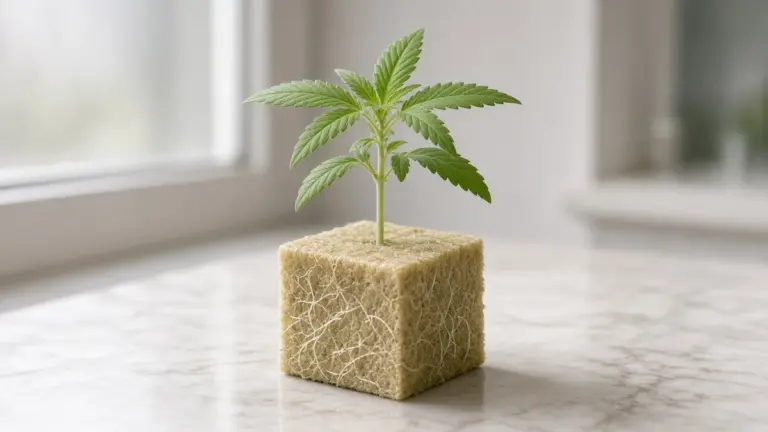


Some strains get famous through marketing budgets. The Sticky Lemons strain got its reputation the old way: growers passed the cut hand to hand because the lemon was real. This is a limonene-forward hybrid with a loud sour-citrus profile over sweet, earthy skunk — and it is a rare cut that seldom circulates outside private rooms. To look for Sticky Lemons clones, visit the I Want Clones shop. Here is what is known about growing it — and, just as importantly, an honest accounting of what nobody can verify.
Key Takeaways
- Sticky Lemons is a limonene-forward hybrid commonly reported around 15% THC (per Leafly).
- The lineage is not publicly documented — accounts contradict each other, so this guide will not print a guessed pedigree as fact.
- The profile is zesty sour lemon over sweet earth and a whisper of skunk, driven by limonene, myrcene, and caryophyllene.
- Grow it like a citrus-skunk hybrid: train early, feed moderately, and finish cool to protect the volatile lemon terps.
- This is a rare cut that any experience level can run.
Sticky Lemons Genetics
Here is the straight version, because that is the whole point of this site: the public paper trail on Sticky Lemons is thin, and the lineage stories out there contradict each other. Different databases list different parents, none of them agree, and none of them come with receipts. So none of them is printed here as fact, and you should be suspicious of any seller who does.
What can be said with confidence is what the plant itself shows. Sticky Lemons expresses classic lemon-line character — sour citrus terps stacked on old-school skunk funk — the kind of profile found in citrus cultivars. Whether the parents were famous or a private breeder’s pet project, the cut behaves like a well-selected citrus-skunk hybrid, and that is the information that actually matters in your garden.
When breeders keep a lineage close to the chest, the cut is the receipt. This cut is held and maintained by The Clone Cartel, and every clone from it traces back to that single mother.
Aroma, Flavor and Terpene Profile
Limonene leads, with myrcene and caryophyllene filling out the base. Crack a jar and you get zesty sour lemon first, then sweet earth and a whisper of skunk underneath.
The smoke is where this cut earns its name and its reputation: smooth and citrus-sweet, with lemon that actually tastes like lemon instead of cleaning product. Many “lemon” cultivars read as generic citrus or chemical; this one reads as the fruit. If you want to understand why limonene-dominant profiles behave this way, our breakdown of cannabis terpenes explained is worth ten minutes of your time.
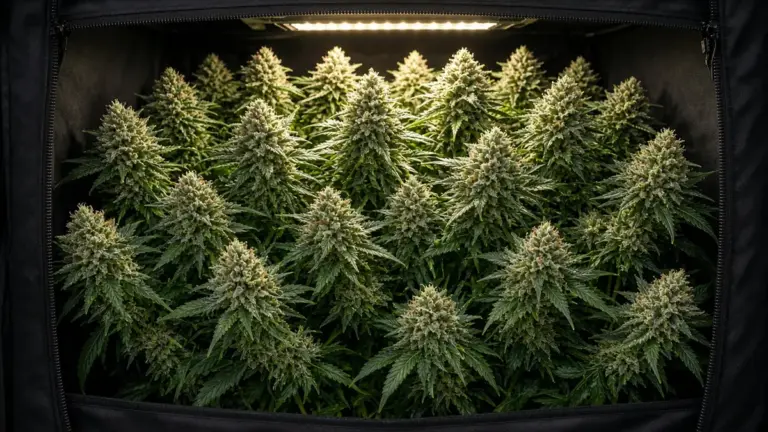
And the name is not just about flavor. The resin lives up to it — trim scissors gum up fast on this one, which tells you plenty about what the flower looks like in the jar.
How Strong Is Sticky Lemons?
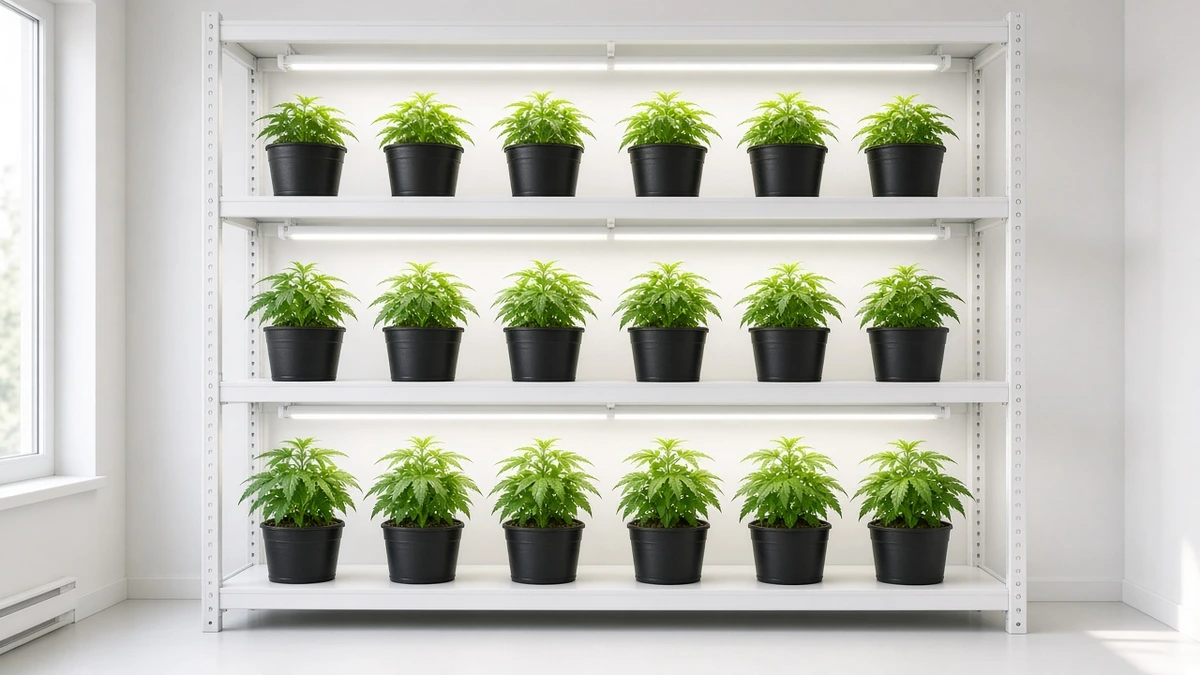
Sticky Lemons is commonly reported around 15% THC (per Leafly). Terp-forward and repeatable.
Sticky Lemons Stats at a Glance
| Stat | Detail |
|---|---|
| Type | Hybrid |
| Lineage | Not publicly documented; conflicting accounts exist, so no guess is printed |
| THC range | Commonly reported around 15% (per Leafly) |
| Flowering time | Not breeder-published; plan a standard hybrid window and let trichomes make the call |
| Yield | Not formally documented; vigorous growth with training |
| Grow difficulty | Easy to moderate — suitable for any experience level |
Growing Sticky Lemons: What You Need To Know
Public grow data on this cultivar is nearly nonexistent, so you will not get invented flowering charts here. What you get instead is honest guidance that works: treat Sticky Lemons like other citrus-skunk hybrids.
Give her a solid veg with topping and a light defoliation before the flip. Expect vigorous growth. Citrus hybrids tend to throw long side branching that loads up late in flower, so plan your support structure before you need it, not after.
On timing: without breeder-published numbers, run her on a standard hybrid schedule and make the harvest call from trichomes, not the calendar. Check weekly from week 7 onward and chop when the heads run cloudy with your preferred amber percentage.
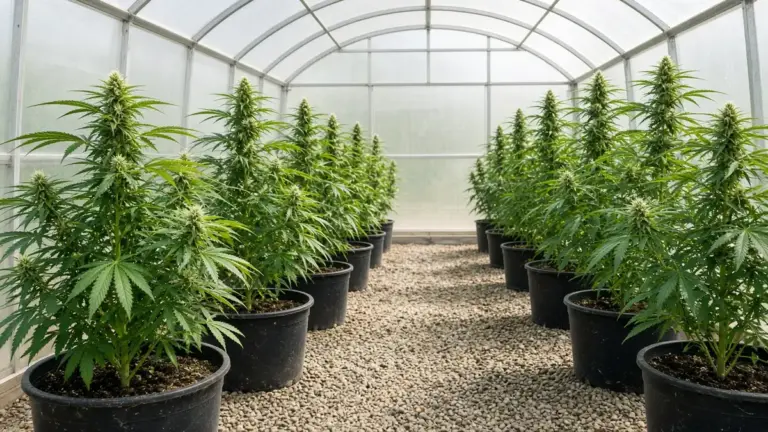
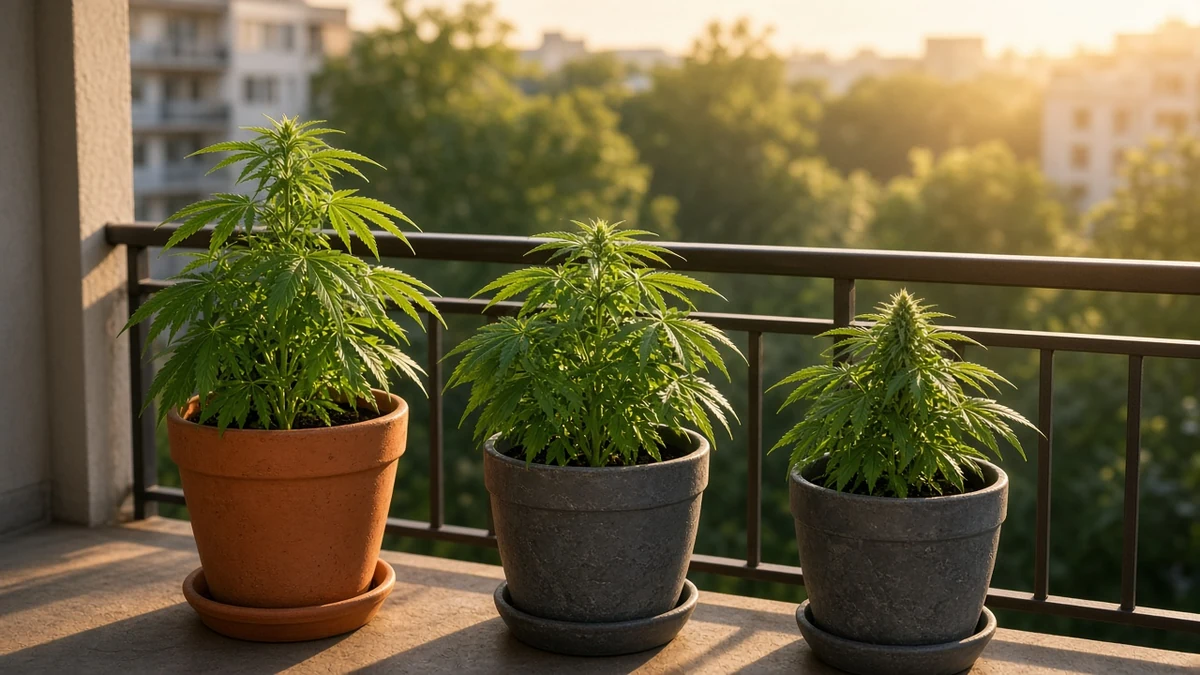
Space-wise she is flexible. The vigor makes her easy to fill a tent with, but she is equally happy as one plant among many in a mixed room — just remember she may finish on a different clock than her neighbors, which is another reason trichome checks beat calendar dates. Outdoors, treat her like any terp-forward hybrid: full sun, steady airflow, and a plan to harvest before sustained cold rain arrives, since nobody has documented her mold tolerance and you should not be the one to find out the hard way.
The one non-negotiable is the finish. Run your last two weeks a few degrees cooler with strong air exchange to protect the volatile lemon terpenes — they are the entire reason you bought this plant, and they are the first thing a hot, stale flower room destroys. Dialing in your VPD from clone through flower pays off double on terp-driven cultivars like this one.
Training for Maximum Yield
Low-stress train early and set a trellis. That is the headline for this cut.
Because Sticky Lemons throws long lateral branches, LST gives you more return than aggressive topping alone: tie the main lines down and outward during veg, let the side branching fill the horizontal plane, and you convert that lanky citrus structure into an even canopy of budsites. One topping early in veg to break apical dominance, then LST from there, is a sensible default.
The late-flower load-up is the part that catches growers off guard. Branches that looked sturdy in week 3 sag in week 7 as flowers stack, and a cola resting against a stem in a humid canopy is asking for trouble. A single layer of trellis netting, set before the flip, holds the structure and keeps airflow moving through the middle of the plant where the skunk funk builds.
Feeding and Nutrition
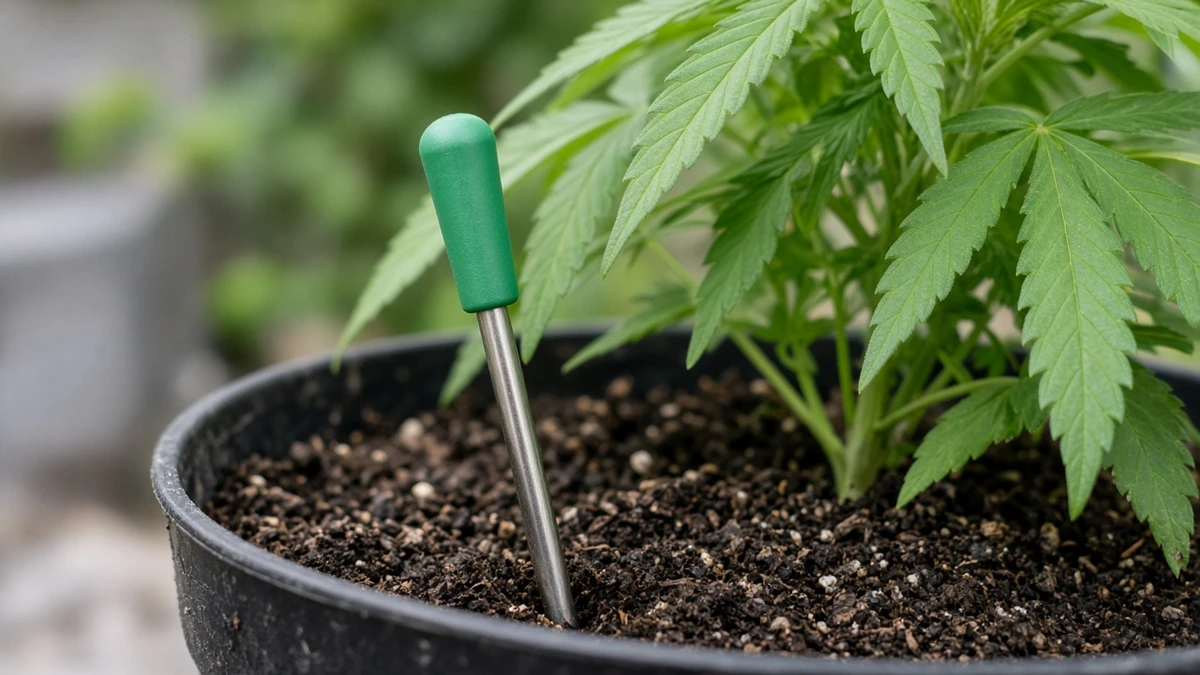
Keep feed moderate. Lemon-line plants often burn on aggressive nitrogen, and Sticky Lemons follows that pattern — push a hot veg feed and you will see tip burn before your heavier feeders show anything.
Run a notch leaner than the rest of your room: moderate nitrogen through veg, a clean transition ratio at the flip, and steady, unspectacular phosphorus and potassium through mid-flower. This is not a plant you bulk up with heavy salts; it is a plant you keep healthy and let express.
Late flower, taper down and finish clean. A lean finish protects the lemon top notes, encourages a natural fade, and leaves nothing harsh in the smoke. Watch your runoff numbers, and when in doubt with this cultivar, feed less — she will tell you quickly if she wants more, and she recovers fast when you correct.
Common Problems
Nitrogen burn is the most likely self-inflicted issue, covered above — run lean and it never happens.
Late-flower branch collapse is second: long citrus-line laterals loading up with sticky flower will fold without support. The trellis solves it.
The third problem is terp loss, and it is the saddest one because you do not see it — you just end up with flower that smells like generic weed instead of sour lemon. Heat is the thief. Canopy temps over 82°F in late flower, hot lights-off spikes, or a fast hot dry will all cook off the limonene. Cool finish, cool dry, patient cure. If your jar does not smell like lemons, your environment ate them.
Why Buy Sticky Lemons as a Clone Instead of Seeds
With Sticky Lemons the answer is unusually simple: there is no legitimate seed route. This cultivar exists as a cut. Anyone selling “Sticky Lemons seeds” is selling either a private project or a name slapped on something else, and with an undocumented lineage you have no way to check their work.
The clone is the strain. Running the cut means the lemon profile, the vigor, and the reported potency range in this guide describe the actual plant that arrives at your door — not a genetic lottery ticket wearing the same name. That is the value of clone-only cultivars.
To look for Sticky Lemons clones, visit the I Want Clones shop. It is a Cut-to-Order clone: the vendor has up to three weeks to cut, root, and ship. See Shipping & Policies for shipping windows. Claims: if a clone arrives damaged, dead, or clearly unhealthy, contact IWC within 3 days of delivery and include clear photos of the plants and the packaging (claims policy). For other hybrids, see the hybrid strain clone category.
Who Is Sticky Lemons For?
Terp hunters first. If you buy plants for flavor and aroma rather than a THC number on a label, Sticky Lemons belongs in your room. It also suits collectors of rare cuts, because this one seldom circulates outside private circles.
Growers of any experience level can run it — nothing about the plant demands expert hands. That said, patient growers who dial in their environment and protect the terps will get more out of her than someone treating her like a commodity THC plant. If you are chasing the biggest test number on the shelf, look elsewhere.
Harvesting, Drying, and Curing
Harvest by trichomes: mostly cloudy with the first ambers for an earlier finish; more amber for a later one. Expect sticky work — clean your scissors twice as often as usual and save the scissor hash, because this cut produces plenty.
Dry cool and slow, 60°F and around 60 percent humidity, hanging 10 to 14 days. Limonene is among the most volatile of the majors, and a warm fast dry will strip the sour lemon down to a faint citrus ghost. Cure in glass, burping daily for the first two weeks, and give it three to four weeks minimum before judging the profile. Done right, the lemon gets louder in the cure, not quieter — that is how you know you protected it the whole way through.
FAQ
What is the lineage of Sticky Lemons?
The lineage has never been publicly documented, and the accounts that do exist contradict each other, so this guide does not print guesses as genetics.
How strong is Sticky Lemons?
Sticky Lemons is commonly reported around 15% THC (per Leafly).
Is Sticky Lemons hard to grow?
No. Treat it like a citrus-skunk hybrid: train early, support the long side branches, feed moderately, and finish cool to protect the terps. Growers of any experience level can run it.
Why does the Sticky Lemons clone take about 3 weeks to ship?
Because it is a Cut-to-Order clone: the vendor has up to three weeks to cut, root, and ship.