Bruce Banner Strain & Clone Grow Guide (One of the Strongest Strains)

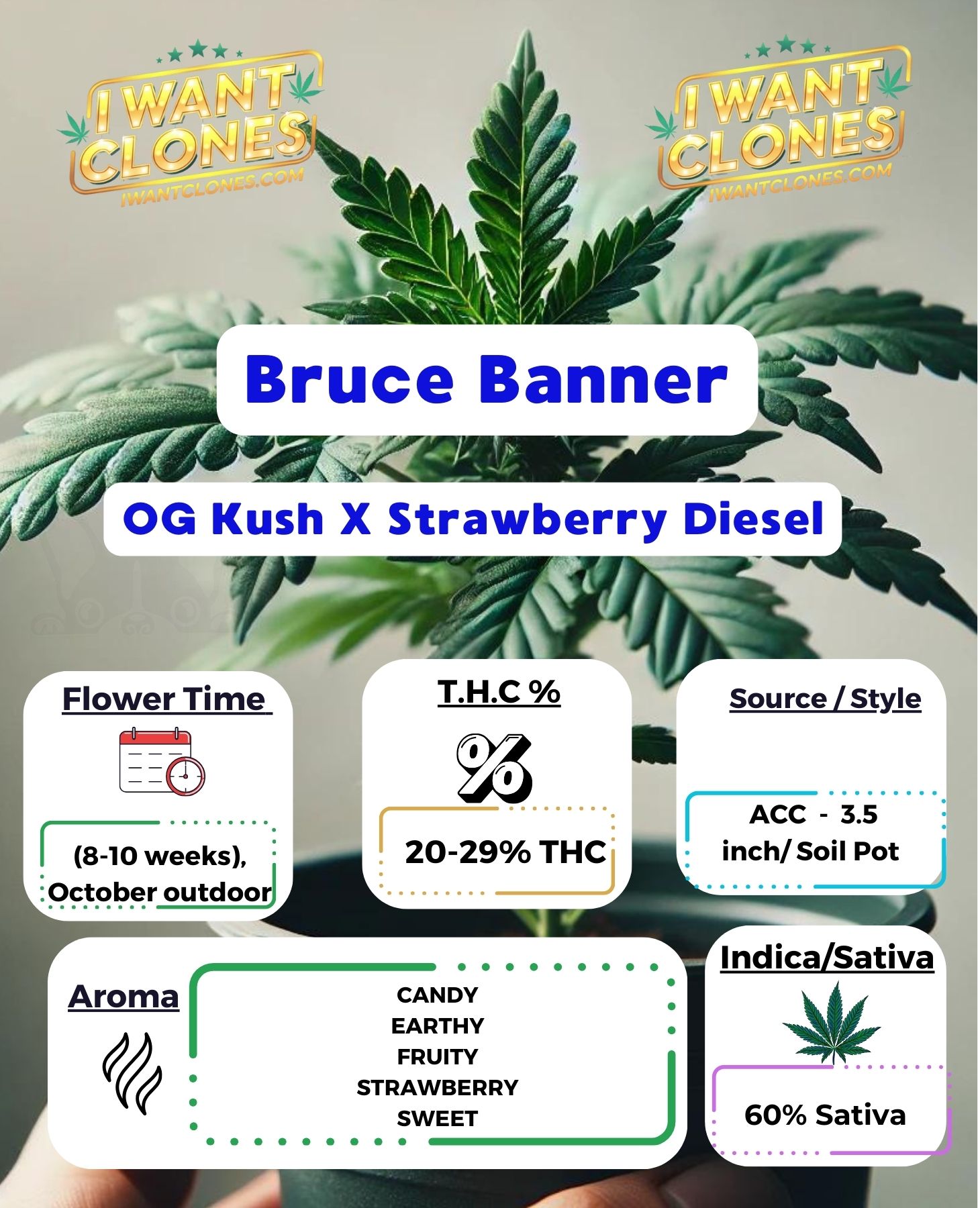
The Bruce Banner strain is a powerhouse hybrid that routinely tests between 25–29% THC, placing it among the strongest cannabis strains ever documented. It delivers a fast-hitting, euphoric rush that gradually settles into deep full-body relaxation — all backed by a lineage of OG Kush and Strawberry Diesel. If you want maximum potency in a high-yielding, trainable plant, Bruce Banner belongs at the top of your list.

  • THC: 25–29%, one of the highest-testing strains available
  • Lineage: OG Kush × Strawberry Diesel, created by Dark Horse Genetics
  • Best phenotype: Bruce Banner #3 — the most potent and most widely grown pheno
  • Flowering time: 9–10 weeks indoors
  • Yields: 500–600 g/m² indoors; very productive outdoors
  • Grow difficulty: Moderate — vigorous and heavy-feeding but very rewarding
  • Effects: Fast cerebral euphoria transitioning to relaxation; for legal adult use where permitted

At IWantClones.com, we carry rooted Bruce Banner clones so you can skip the seedling stage and start with a proven, stable cut. Here’s everything you need to know about this strain — its genetics, its terpene profile, and exactly how to grow it well.


Bruce Banner Strain: Lineage and Background

Bruce Banner was bred by Dark Horse Genetics by crossing OG Kush with Strawberry Diesel. The result is a hybrid that leans slightly sativa in its early effect profile before the indica side takes over. The name is a direct nod to the Marvel Comics character — the mild-mannered scientist who transforms into The Hulk. In other words, don’t underestimate it.

Dark Horse Genetics released several phenotypes of this strain. Growers quickly identified Bruce Banner #3 as the standout. It’s the most potent, the most consistent, and the one most commonly found in dispensaries and clone libraries today. When people say “Bruce Banner,” they almost always mean Bruce Banner #3.

The OG Kush parent contributes the classic earthy, fuel-forward base and the dense, resin-loaded bud structure. Strawberry Diesel brings sweetness, an uplifting headspace, and diesel sharpness that keeps the high from becoming too sedating. The two together create something that’s more than the sum of its parts.

For context on how Bruce Banner stacks up against other heavy hitters, check out our high-THC cannabis clone strains overview. You’ll see that Bruce Banner consistently ranks among the top performers in terms of raw cannabinoid production. For more background on cannabis as a plant, Wikipedia’s cannabis entry is a solid starting point.

Key Takeaways

  • Bruce Banner is a cross of OG Kush and Strawberry Diesel, bred by Dark Horse Genetics, with Bruce Banner #3 being the most potent and widely grown phenotype.
  • THC levels routinely test between 25–29%, placing Bruce Banner among the highest-testing cannabis strains documented in laboratory analysis.
  • The terpene profile combines diesel fuel, sweet berry, and earthy notes — myrcene, caryophyllene, and limonene are the primary drivers of its distinctive aroma.
  • Effects are fast-hitting and euphoric at onset, transitioning into deep full-body relaxation as the indica genetics from OG Kush take over.
  • Flowering time is 9–10 weeks indoors, and the strain is a heavy feeder that requires consistent nitrogen and phosphorus supplementation to reach its yield ceiling.
  • Indoor yields of 500–600 g/m² are achievable under optimized conditions, making Bruce Banner one of the most productive high-THC cultivars available.

Strain Specifications at a Glance

Specification Detail
Lineage OG Kush × Strawberry Diesel
Breeder Dark Horse Genetics
Best Phenotype Bruce Banner #3
THC Range 25–29%
CBD <1%
Flowering Time (Indoor) 9–10 weeks
Yield (Indoor) 500–600 g/m²
Yield (Outdoor) Very high; harvest late October
Dominant Terpenes Myrcene, Caryophyllene, Limonene
Grow Difficulty Moderate
Grow Type Indoor / Outdoor / Greenhouse

Terpene Profile: What Bruce Banner Smells and Tastes Like

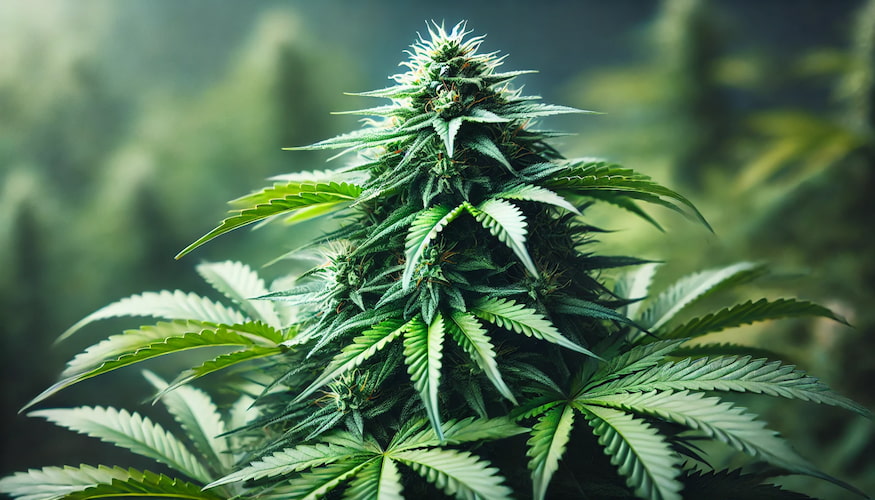
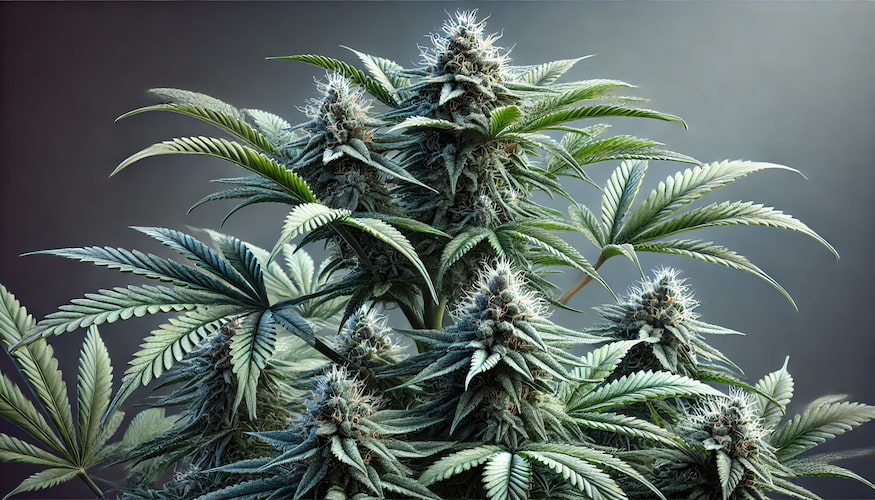
Bruce Banner has a terpene profile that immediately signals potency. The dominant terpenes are myrcene, caryophyllene, and limonene — a combination that produces a layered aroma somewhere between a fuel station and a berry farm.

On the nose, the first impression is sharp diesel, inherited directly from the Strawberry Diesel parent. That diesel note sits on top of a sweeter berry undertone — almost strawberry-forward when the buds are freshly broken up. Underneath both is a classic earthy, kushy base from the OG Kush side.

The smoke is smooth and sweet on the inhale. The exhale brings the diesel and earth forward. The flavor is complex and lingers, which is one reason experienced consumers consistently rate this strain highly on taste, not just potency.

  • Myrcene: The most abundant terpene in most cannabis; contributes earthiness and the body-relaxing quality of the high
  • Caryophyllene: The spicy, peppery note; adds depth to the exhale and may contribute to the strain’s physical effect profile
  • Limonene: The citrus brightness; keeps the aroma from being too heavy and contributes to the initial uplifting effect

If you want to compare Bruce Banner’s terpene signature to community data, Leafly’s Bruce Banner strain page has extensive user reviews covering aroma, taste, and effects.


Bruce Banner Strain Effects

The effects of the bruce banner strain hit fast. Within minutes of consumption, most users report a sharp cerebral rush — the kind of euphoric clarity that gets you talking, thinking, and energized. This is the Strawberry Diesel lineage doing its work early.

Over the next 30–60 minutes, the OG Kush genetics take the wheel. The cerebral buzz doesn’t disappear, but the body begins to relax in waves. It’s a balanced hybrid effect that leans slightly sativa early and distinctly indica later. For legal adult use where permitted, this is one of the most complete hybrid experiences available from a single strain.

Because of the extreme THC content — routinely hitting 28–29% in lab tests — this is not a beginner strain. Experienced users who appreciate maximum potency in a well-rounded hybrid will find exactly what they’re looking for. Newer consumers should approach with real caution and start with a much smaller amount than they think they need.

“Bruce Banner is what happens when you breed two elite parents and let the strongest phenotype win. The #3 cut is a genuine outlier in terms of THC production. Grow it right and the results are hard to beat.”


Growing Bruce Banner from Clone: What to Expect

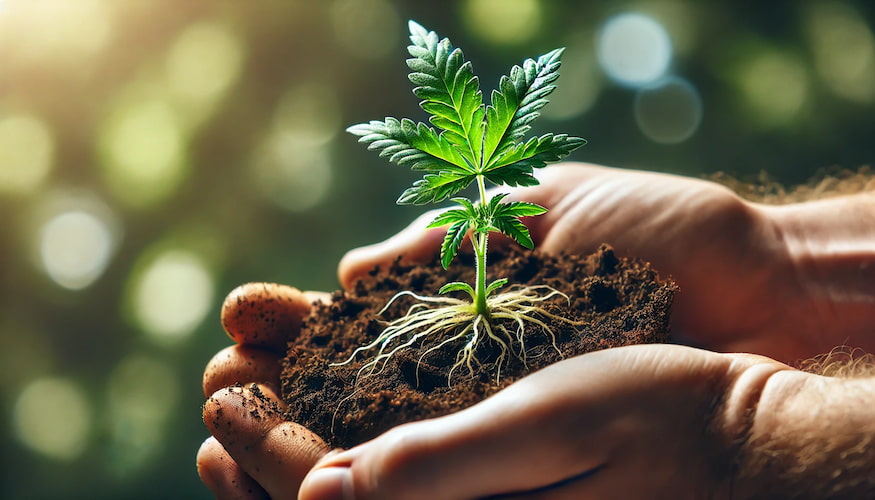
Starting with a rooted Bruce Banner clone puts you weeks ahead of seed growers. You skip germination, the seedling stage, and any phenotype lottery. You know exactly what you’re growing from day one.

Bruce Banner is a moderate-difficulty strain to grow. It’s not difficult in the sense of being fragile or finicky — it’s actually a vigorous, aggressive grower. The challenge is managing that vigor. This plant wants to stretch, branch out, and fill every available inch of your space. If you let it grow without structure, you’ll get a canopy that’s uneven, crowded, and harder to light evenly. Train it early and you’ll be rewarded with one of the most productive canopies you’ve grown.

Vegetative Stage

During veg, Bruce Banner grows quickly. Expect 2–3 nodes per week under strong lighting, and significant lateral branching even without any training. The plant has a natural tendency to bush out, which is exactly what you want if you’re planning a ScrOG or multi-top structure.

We recommend starting training early — within the first two weeks of vegetative growth on a rooted clone. The stems are still flexible and respond well to low-stress training without recovery time. Pair LST with topping and you can build a flat, wide canopy that maximizes your light footprint. Our topping and LST guide for cannabis clones walks through the process step by step.

Don’t rush the transition to flower. Bruce Banner benefits from a full 4–6 weeks of vegetative growth after rooting. A well-developed root system and a canopy that fills your space before the flip will dramatically improve your final yield.

Transition to Flower

When you’re ready to flip, Bruce Banner responds quickly to the 12/12 light schedule. Expect a significant stretch — often 50–75% height increase in the first 3 weeks of flower. Plan your grow space with this in mind. If you’re growing indoors, make sure you have at least 18–24 inches of headroom above your canopy at the time of the flip.

See our guide on transitioning cannabis clones from veg to flower for timing details, light schedule adjustments, and how to support the plant through the stretch phase without stressing it.

Flowering Stage: Weeks 1–10

Bruce Banner’s flowering period runs 9–10 weeks indoors. Here’s a rough breakdown of what to expect:

  • Weeks 1–3 (Early Flower / Stretch): Fast height gain, first pistils forming, bud sites establishing at every node. Keep training going with ScrOG or tie-downs to keep the canopy level.
  • Weeks 4–6 (Bud Development): Buds start to bulk up quickly. Resin production becomes visible. The diesel and berry smell begins to fill the room. Make sure your ventilation can handle it.
  • Weeks 7–8 (Swelling): Buds are dense and heavy. Trichomes are thick and white. This is the period where Bruce Banner really shows off — the calyxes stack and swell in a way that makes the finished product look almost unreal.
  • Weeks 9–10 (Ripening): Trichomes begin shifting from cloudy to amber. Monitor daily with a loupe or jeweler’s scope. Most growers harvest Bruce Banner when trichomes are 70–80% cloudy with 20–30% amber for the full potency and relaxation profile.

Nail your harvest timing and you’ll capture peak THC alongside the ripened terpene expression that makes this strain smell and taste the way it should. Our harvest timing guide covers trichome stages in detail so you know exactly when to pull.


Training Techniques for Bruce Banner

Bruce Banner rewards aggressive training. Because it’s such a vigorous grower, skipping training means you’ll end up with one dominant cola and a lot of underdeveloped lower sites. Train it and you can produce a canopy full of thick, even colas that all finish at the same time.

Low-Stress Training (LST)

LST is the easiest starting point and works well when combined with topping. Bend the main stem outward as the plant grows, securing it with soft ties. This exposes lower nodes to light and encourages them to develop into productive branches. Bruce Banner responds extremely well — the side branches catch up quickly and the canopy fills out fast.

Topping

Top Bruce Banner at the third or fourth node during veg. This creates two main colas from one and kicks the lateral branching into overdrive. A double-topped clone combined with LST can produce six to eight substantial colas before you even hit the ScrOG net.

ScrOG (Screen of Green)

ScrOG is the ideal technique for Bruce Banner in a controlled indoor environment. Set your screen at 30–40 cm above the pots and weave branches through as the plant grows. Once the screen is 70–80% full, flip to flower. The horizontal growth pattern ensures every bud site gets equal light intensity, which directly translates to bigger, denser, more uniform buds at harvest.

The combination of topping, LST, and ScrOG can push your indoor yield well into the 500–600 g/m² range that Bruce Banner is known for. It takes a few extra weeks in veg, but the payoff is significant.


Feeding Bruce Banner: A Heavy Feeder’s Requirements

Bruce Banner is a genuine heavy feeder. It pulls nutrients aggressively, especially nitrogen in vegetative growth. Under-feeding this strain shows up fast — pale green leaves, slow growth, and underwhelming yields. Keep it fed and it will reward you. Let it go hungry and you’ll leave yield on the table.

Vegetative Feeding

During veg, nitrogen is the priority. Push your N levels to the higher end of your nutrient line’s recommended range. Bruce Banner can handle it and actively benefits from it. We typically run a 3-1-2 NPK ratio during veg (nitrogen-phosphorus-potassium) and see consistent dark green, healthy foliage.

Cal-Mag is non-negotiable with this strain. Bruce Banner has a notably high calcium and magnesium demand. Whether you’re growing in coco, hydro, or even good soil, add Cal-Mag as a baseline supplement from week two onward. Deficiency symptoms — yellowing between veins, spots on leaves — appear fast when Cal-Mag is low.

Flower Feeding

At the flip, start transitioning from a nitrogen-heavy feed to a phosphorus and potassium-heavy feed. By week three of flower, nitrogen should be low, and P and K should be at their peaks. This supports the dense bud development and resin production Bruce Banner is capable of.

Maintain your Cal-Mag supplementation throughout flower — this is one place growers cut back prematurely and pay for it with deficiencies during the critical weeks 5–8 of bud development.

Pre-Harvest Flush

Flush Bruce Banner heavily for the final 10–14 days before harvest. This strain accumulates nutrients in its tissue over a long, heavy-feeding cycle, and a proper flush is essential for clean-tasting, smooth-smoking final product. Use plain pH-balanced water and let the plant pull from its stored reserves. Leaves will yellow and fade — that’s normal and expected. It’s the plant finishing the way it should.

For a full breakdown of feeding schedules, ratios, and timing by growth stage, see our comprehensive cannabis clone nutrient guide.


Up-Potting and Root Zone Management

Bruce Banner’s root system grows as aggressively as its canopy. A rootbound plant won’t perform at its potential — growth slows, feeding becomes inefficient, and yields suffer. Plan your up-potting schedule in advance and don’t wait for the plant to tell you it’s rootbound. By then, you’ve already lost time.

A typical up-potting sequence for a rooted clone going to a full grow looks like this: start in a 1-gallon container after rooting, move to a 3-gallon at two weeks into veg, and finish in a 5–7-gallon container before the flip to flower. For outdoor grows or large indoor setups, 10-gallon or larger containers let Bruce Banner’s root system fully develop and support truly massive plants.

Our complete up-potting guide for cannabis clones covers timing, container selection, and how to avoid transplant shock during the process.


Indoor vs. Outdoor Growing

Indoor Growing

Indoor is where Bruce Banner truly shines in terms of control. You manage every variable — light intensity, temperature, humidity, VPD — and the plant responds by producing some of the densest, most resinous buds you can grow indoors. Target 75–80°F (24–27°C) during the light period and drop to 65–70°F (18–21°C) during dark periods in flower. This temperature differential in late flower enhances terpene expression and can bring out subtle purple and blue hues in some phenotypes.

Keep relative humidity at 40–50% during veg and drop it to 35–45% in flower. Bruce Banner produces very dense buds, and high humidity in flower creates a real botrytis risk. Air circulation is critical — oscillating fans and strong exhaust keep moisture from sitting in the canopy.

Outdoor Growing

Outdoors, Bruce Banner becomes a genuinely large plant. In a warm climate with a long season, expect plants that reach 6–8 feet or taller. They’ll produce massive yields — growers in ideal climates regularly pull multiple pounds per plant. The key is having enough time. Bruce Banner finishes late, typically in late October in the Northern Hemisphere, so it needs a climate that stays warm through that window.

Outdoor plants still benefit from training. Top early in the season and use stakes or cages to support the branching structure as plants grow. Bruce Banner outdoor buds can get very heavy and will need support to avoid branch breakage as harvest approaches.


Bruce Banner #3: Why This Phenotype Leads

Dark Horse Genetics released multiple numbered phenotypes of Bruce Banner — #1, #2, #3, #4, and #5. All share the same OG Kush × Strawberry Diesel parentage, but they differ in structure, flowering time, potency, and aroma.

Bruce Banner #3 emerged as the clear favorite almost immediately. Its THC production is consistently the highest of any phenotype — the 28–29% readings that made headlines in lab testing came from the #3 cut. It also has the best balance of the strain’s signature terpene profile, with the diesel-berry aroma more pronounced than in other phenos.

In terms of structure, #3 grows with a sturdy main stem and evenly distributed branching that makes it easier to train than some other phenotypes. The flowering time sits squarely at 9–10 weeks, making it predictable for planning grow cycles.

If you’re growing Bruce Banner for the first time, you want the #3 cut. It’s what the strain’s reputation is built on, and it’s the pheno we stock at IWantClones.com.


Bruce Banner vs. Gorilla Glue: How Do They Compare?

Two of the strongest strains we carry get compared constantly: Bruce Banner and Gorilla Glue. Both hit hard. Both yield heavy. They’re different experiences though.

Gorilla Glue leans more indica-dominant, with a heavier, more body-focused effect and less of the early cerebral rush. Bruce Banner hits harder up front with that euphoric surge before settling into relaxation. In terms of THC, both strain families compete in the 25–30% range, making them peers in raw potency.

Growing differences: Gorilla Glue is slightly more forgiving for newer growers. Bruce Banner is more vigorous and needs more aggressive training and feeding, but the ceiling on yield and potency is arguably higher with a well-grown Banner plant.

If you’re interested in how Gorilla Glue stacks up, see our full Gorilla Glue strain and clone grow guide.


Is Bruce Banner Right for You?

The bruce banner strain is not for everyone — and that’s not a criticism. It’s one of the most potent strains available, and its growth requirements reward growers who pay attention to feeding, training, and environmental control.

Bruce Banner is a great fit if you:

  • Are an experienced cannabis consumer looking for maximum potency in a hybrid
  • Want a high-yielding indoor strain that responds to training
  • Appreciate complex terpene profiles alongside high THC
  • Are comfortable with a heavier feeding schedule and regular Cal-Mag supplementation
  • Have the space to manage a vigorous, branchy plant

It’s a more demanding grow than a beginner-friendly strain, but the payoff — dense, trichome-loaded buds with a distinctive diesel-berry aroma and ceiling-level potency — makes the extra effort more than worthwhile for growers who are ready for it.

Ready to get started? Order your Bruce Banner clones from IWantClones.com and skip the seedling lottery entirely.


Frequently Asked Questions

How strong is the Bruce Banner strain compared to other cannabis strains?

The bruce banner strain regularly tests between 25–29% THC, placing it among the strongest strains ever documented. Most premium cannabis strains fall in the 18–24% range, so Bruce Banner’s potency is genuinely exceptional, not just marketing. The #3 phenotype consistently hits the top of that range in third-party lab testing.

What is Bruce Banner #3 and why is it the best phenotype?

Bruce Banner #3 is the third phenotype selected by Dark Horse Genetics from the original OG Kush × Strawberry Diesel cross. It produces the highest THC of any phenotype — the readings that put Bruce Banner on the map came from #3. It also has the best expression of the strain’s diesel-berry terpene profile and the most consistent, trainable structure, which is why it’s the standard cut grown commercially and by serious home cultivators.

How long does Bruce Banner take to flower indoors?

Bruce Banner takes 9–10 weeks to complete flowering indoors under a standard 12/12 light schedule. It’s a moderate flowering time for a strain of this potency and yield level. Plan for the first 2–3 weeks to involve significant stretch, with bud development accelerating from weeks 4–8 and ripening in weeks 9–10.

Is Bruce Banner a good strain for beginners to grow?

Bruce Banner is best suited to growers with some experience under their belt. The plant is vigorous and productive but requires consistent training, a heavy feeding schedule, and attentive Cal-Mag supplementation throughout the grow. First-time growers can succeed with it, but the learning curve is steeper than more forgiving strains. The rewards are proportional to the effort invested.

What does Bruce Banner smell and taste like?

Bruce Banner has a sharp diesel aroma layered over sweet berry notes — closer to strawberry than anything else — with an earthy, kushy undertone. The flavor on smoke or vapor is similarly complex: sweet and fuel-forward on the inhale, earthy and diesel on the exhale. The dominant terpenes are myrcene, caryophyllene, and limonene, which together produce one of the more distinctive and recognizable aromas in the cannabis world.

Why should I start with a Bruce Banner clone instead of seeds?

Starting with a rooted bruce banner clone means you skip germination and the seedling stage and begin with a plant that’s genetically identical to the source. With Bruce Banner specifically, starting from clone ensures you’re growing the #3 phenotype — not a random seed that could express any of five different phenotypes. You save weeks of grow time and have total confidence in the genetics from day one.


Share

Comments are closed.

Also recommended

Bruce Banner Strain & Clone Grow Guide (One of the Strongest Strains)

July 9, 2026

The Bruce Banner strain is a powerhouse hybrid that routinely tests between 25–29% THC, placing it among the strongest cannabis strains ever documented. It delivers a fast-hitting, euphoric rush that gradually settles into deep full-body relaxation — all backed by a lineage of OG Kush and Strawberry Diesel. If you want maximum potency in a high-yielding, trainable plant, Bruce Banner belongs at the top of your list.

  • THC: 25–29%, one of the highest-testing strains available
  • Lineage: OG Kush × Strawberry Diesel, created by Dark Horse Genetics
  • Best phenotype: Bruce Banner #3 — the most potent and most widely grown pheno
  • Flowering time: 9–10 weeks indoors
  • Yields: 500–600 g/m² indoors; very productive outdoors
  • Grow difficulty: Moderate — vigorous and heavy-feeding but very rewarding
  • Effects: Fast cerebral euphoria transitioning to relaxation; for legal adult use where permitted

At IWantClones.com, we carry rooted Bruce Banner clones so you can skip the seedling stage and start with a proven, stable cut. Here’s everything you need to know about this strain — its genetics, its terpene profile, and exactly how to grow it well.


Bruce Banner Strain: Lineage and Background

Bruce Banner was bred by Dark Horse Genetics by crossing OG Kush with Strawberry Diesel. The result is a hybrid that leans slightly sativa in its early effect profile before the indica side takes over. The name is a direct nod to the Marvel Comics character — the mild-mannered scientist who transforms into The Hulk. In other words, don’t underestimate it.

Dark Horse Genetics released several phenotypes of this strain. Growers quickly identified Bruce Banner #3 as the standout. It’s the most potent, the most consistent, and the one most commonly found in dispensaries and clone libraries today. When people say “Bruce Banner,” they almost always mean Bruce Banner #3.

The OG Kush parent contributes the classic earthy, fuel-forward base and the dense, resin-loaded bud structure. Strawberry Diesel brings sweetness, an uplifting headspace, and diesel sharpness that keeps the high from becoming too sedating. The two together create something that’s more than the sum of its parts.

For context on how Bruce Banner stacks up against other heavy hitters, check out our high-THC cannabis clone strains overview. You’ll see that Bruce Banner consistently ranks among the top performers in terms of raw cannabinoid production. For more background on cannabis as a plant, Wikipedia’s cannabis entry is a solid starting point.

Key Takeaways

  • Bruce Banner is a cross of OG Kush and Strawberry Diesel, bred by Dark Horse Genetics, with Bruce Banner #3 being the most potent and widely grown phenotype.
  • THC levels routinely test between 25–29%, placing Bruce Banner among the highest-testing cannabis strains documented in laboratory analysis.
  • The terpene profile combines diesel fuel, sweet berry, and earthy notes — myrcene, caryophyllene, and limonene are the primary drivers of its distinctive aroma.
  • Effects are fast-hitting and euphoric at onset, transitioning into deep full-body relaxation as the indica genetics from OG Kush take over.
  • Flowering time is 9–10 weeks indoors, and the strain is a heavy feeder that requires consistent nitrogen and phosphorus supplementation to reach its yield ceiling.
  • Indoor yields of 500–600 g/m² are achievable under optimized conditions, making Bruce Banner one of the most productive high-THC cultivars available.

Strain Specifications at a Glance

Specification Detail
Lineage OG Kush × Strawberry Diesel
Breeder Dark Horse Genetics
Best Phenotype Bruce Banner #3
THC Range 25–29%
CBD <1%
Flowering Time (Indoor) 9–10 weeks
Yield (Indoor) 500–600 g/m²
Yield (Outdoor) Very high; harvest late October
Dominant Terpenes Myrcene, Caryophyllene, Limonene
Grow Difficulty Moderate
Grow Type Indoor / Outdoor / Greenhouse

Terpene Profile: What Bruce Banner Smells and Tastes Like

Bruce Banner has a terpene profile that immediately signals potency. The dominant terpenes are myrcene, caryophyllene, and limonene — a combination that produces a layered aroma somewhere between a fuel station and a berry farm.

On the nose, the first impression is sharp diesel, inherited directly from the Strawberry Diesel parent. That diesel note sits on top of a sweeter berry undertone — almost strawberry-forward when the buds are freshly broken up. Underneath both is a classic earthy, kushy base from the OG Kush side.

The smoke is smooth and sweet on the inhale. The exhale brings the diesel and earth forward. The flavor is complex and lingers, which is one reason experienced consumers consistently rate this strain highly on taste, not just potency.

  • Myrcene: The most abundant terpene in most cannabis; contributes earthiness and the body-relaxing quality of the high
  • Caryophyllene: The spicy, peppery note; adds depth to the exhale and may contribute to the strain’s physical effect profile
  • Limonene: The citrus brightness; keeps the aroma from being too heavy and contributes to the initial uplifting effect

If you want to compare Bruce Banner’s terpene signature to community data, Leafly’s Bruce Banner strain page has extensive user reviews covering aroma, taste, and effects.


Bruce Banner Strain Effects

The effects of the bruce banner strain hit fast. Within minutes of consumption, most users report a sharp cerebral rush — the kind of euphoric clarity that gets you talking, thinking, and energized. This is the Strawberry Diesel lineage doing its work early.

Over the next 30–60 minutes, the OG Kush genetics take the wheel. The cerebral buzz doesn’t disappear, but the body begins to relax in waves. It’s a balanced hybrid effect that leans slightly sativa early and distinctly indica later. For legal adult use where permitted, this is one of the most complete hybrid experiences available from a single strain.

Because of the extreme THC content — routinely hitting 28–29% in lab tests — this is not a beginner strain. Experienced users who appreciate maximum potency in a well-rounded hybrid will find exactly what they’re looking for. Newer consumers should approach with real caution and start with a much smaller amount than they think they need.

“Bruce Banner is what happens when you breed two elite parents and let the strongest phenotype win. The #3 cut is a genuine outlier in terms of THC production. Grow it right and the results are hard to beat.”


Growing Bruce Banner from Clone: What to Expect

Starting with a rooted Bruce Banner clone puts you weeks ahead of seed growers. You skip germination, the seedling stage, and any phenotype lottery. You know exactly what you’re growing from day one.

Bruce Banner is a moderate-difficulty strain to grow. It’s not difficult in the sense of being fragile or finicky — it’s actually a vigorous, aggressive grower. The challenge is managing that vigor. This plant wants to stretch, branch out, and fill every available inch of your space. If you let it grow without structure, you’ll get a canopy that’s uneven, crowded, and harder to light evenly. Train it early and you’ll be rewarded with one of the most productive canopies you’ve grown.

Vegetative Stage

During veg, Bruce Banner grows quickly. Expect 2–3 nodes per week under strong lighting, and significant lateral branching even without any training. The plant has a natural tendency to bush out, which is exactly what you want if you’re planning a ScrOG or multi-top structure.

We recommend starting training early — within the first two weeks of vegetative growth on a rooted clone. The stems are still flexible and respond well to low-stress training without recovery time. Pair LST with topping and you can build a flat, wide canopy that maximizes your light footprint. Our topping and LST guide for cannabis clones walks through the process step by step.

Don’t rush the transition to flower. Bruce Banner benefits from a full 4–6 weeks of vegetative growth after rooting. A well-developed root system and a canopy that fills your space before the flip will dramatically improve your final yield.

Transition to Flower

When you’re ready to flip, Bruce Banner responds quickly to the 12/12 light schedule. Expect a significant stretch — often 50–75% height increase in the first 3 weeks of flower. Plan your grow space with this in mind. If you’re growing indoors, make sure you have at least 18–24 inches of headroom above your canopy at the time of the flip.

See our guide on transitioning cannabis clones from veg to flower for timing details, light schedule adjustments, and how to support the plant through the stretch phase without stressing it.

Flowering Stage: Weeks 1–10

Bruce Banner’s flowering period runs 9–10 weeks indoors. Here’s a rough breakdown of what to expect:

  • Weeks 1–3 (Early Flower / Stretch): Fast height gain, first pistils forming, bud sites establishing at every node. Keep training going with ScrOG or tie-downs to keep the canopy level.
  • Weeks 4–6 (Bud Development): Buds start to bulk up quickly. Resin production becomes visible. The diesel and berry smell begins to fill the room. Make sure your ventilation can handle it.
  • Weeks 7–8 (Swelling): Buds are dense and heavy. Trichomes are thick and white. This is the period where Bruce Banner really shows off — the calyxes stack and swell in a way that makes the finished product look almost unreal.
  • Weeks 9–10 (Ripening): Trichomes begin shifting from cloudy to amber. Monitor daily with a loupe or jeweler’s scope. Most growers harvest Bruce Banner when trichomes are 70–80% cloudy with 20–30% amber for the full potency and relaxation profile.

Nail your harvest timing and you’ll capture peak THC alongside the ripened terpene expression that makes this strain smell and taste the way it should. Our harvest timing guide covers trichome stages in detail so you know exactly when to pull.


Training Techniques for Bruce Banner

Bruce Banner rewards aggressive training. Because it’s such a vigorous grower, skipping training means you’ll end up with one dominant cola and a lot of underdeveloped lower sites. Train it and you can produce a canopy full of thick, even colas that all finish at the same time.

Low-Stress Training (LST)

LST is the easiest starting point and works well when combined with topping. Bend the main stem outward as the plant grows, securing it with soft ties. This exposes lower nodes to light and encourages them to develop into productive branches. Bruce Banner responds extremely well — the side branches catch up quickly and the canopy fills out fast.

Topping

Top Bruce Banner at the third or fourth node during veg. This creates two main colas from one and kicks the lateral branching into overdrive. A double-topped clone combined with LST can produce six to eight substantial colas before you even hit the ScrOG net.

ScrOG (Screen of Green)

ScrOG is the ideal technique for Bruce Banner in a controlled indoor environment. Set your screen at 30–40 cm above the pots and weave branches through as the plant grows. Once the screen is 70–80% full, flip to flower. The horizontal growth pattern ensures every bud site gets equal light intensity, which directly translates to bigger, denser, more uniform buds at harvest.

The combination of topping, LST, and ScrOG can push your indoor yield well into the 500–600 g/m² range that Bruce Banner is known for. It takes a few extra weeks in veg, but the payoff is significant.


Feeding Bruce Banner: A Heavy Feeder’s Requirements

Bruce Banner is a genuine heavy feeder. It pulls nutrients aggressively, especially nitrogen in vegetative growth. Under-feeding this strain shows up fast — pale green leaves, slow growth, and underwhelming yields. Keep it fed and it will reward you. Let it go hungry and you’ll leave yield on the table.

Vegetative Feeding

During veg, nitrogen is the priority. Push your N levels to the higher end of your nutrient line’s recommended range. Bruce Banner can handle it and actively benefits from it. We typically run a 3-1-2 NPK ratio during veg (nitrogen-phosphorus-potassium) and see consistent dark green, healthy foliage.

Cal-Mag is non-negotiable with this strain. Bruce Banner has a notably high calcium and magnesium demand. Whether you’re growing in coco, hydro, or even good soil, add Cal-Mag as a baseline supplement from week two onward. Deficiency symptoms — yellowing between veins, spots on leaves — appear fast when Cal-Mag is low.

Flower Feeding

At the flip, start transitioning from a nitrogen-heavy feed to a phosphorus and potassium-heavy feed. By week three of flower, nitrogen should be low, and P and K should be at their peaks. This supports the dense bud development and resin production Bruce Banner is capable of.

Maintain your Cal-Mag supplementation throughout flower — this is one place growers cut back prematurely and pay for it with deficiencies during the critical weeks 5–8 of bud development.

Pre-Harvest Flush

Flush Bruce Banner heavily for the final 10–14 days before harvest. This strain accumulates nutrients in its tissue over a long, heavy-feeding cycle, and a proper flush is essential for clean-tasting, smooth-smoking final product. Use plain pH-balanced water and let the plant pull from its stored reserves. Leaves will yellow and fade — that’s normal and expected. It’s the plant finishing the way it should.

For a full breakdown of feeding schedules, ratios, and timing by growth stage, see our comprehensive cannabis clone nutrient guide.


Up-Potting and Root Zone Management

Bruce Banner’s root system grows as aggressively as its canopy. A rootbound plant won’t perform at its potential — growth slows, feeding becomes inefficient, and yields suffer. Plan your up-potting schedule in advance and don’t wait for the plant to tell you it’s rootbound. By then, you’ve already lost time.

A typical up-potting sequence for a rooted clone going to a full grow looks like this: start in a 1-gallon container after rooting, move to a 3-gallon at two weeks into veg, and finish in a 5–7-gallon container before the flip to flower. For outdoor grows or large indoor setups, 10-gallon or larger containers let Bruce Banner’s root system fully develop and support truly massive plants.

Our complete up-potting guide for cannabis clones covers timing, container selection, and how to avoid transplant shock during the process.


Indoor vs. Outdoor Growing

Indoor Growing

Indoor is where Bruce Banner truly shines in terms of control. You manage every variable — light intensity, temperature, humidity, VPD — and the plant responds by producing some of the densest, most resinous buds you can grow indoors. Target 75–80°F (24–27°C) during the light period and drop to 65–70°F (18–21°C) during dark periods in flower. This temperature differential in late flower enhances terpene expression and can bring out subtle purple and blue hues in some phenotypes.

Keep relative humidity at 40–50% during veg and drop it to 35–45% in flower. Bruce Banner produces very dense buds, and high humidity in flower creates a real botrytis risk. Air circulation is critical — oscillating fans and strong exhaust keep moisture from sitting in the canopy.

Outdoor Growing

Outdoors, Bruce Banner becomes a genuinely large plant. In a warm climate with a long season, expect plants that reach 6–8 feet or taller. They’ll produce massive yields — growers in ideal climates regularly pull multiple pounds per plant. The key is having enough time. Bruce Banner finishes late, typically in late October in the Northern Hemisphere, so it needs a climate that stays warm through that window.

Outdoor plants still benefit from training. Top early in the season and use stakes or cages to support the branching structure as plants grow. Bruce Banner outdoor buds can get very heavy and will need support to avoid branch breakage as harvest approaches.


Bruce Banner #3: Why This Phenotype Leads

Dark Horse Genetics released multiple numbered phenotypes of Bruce Banner — #1, #2, #3, #4, and #5. All share the same OG Kush × Strawberry Diesel parentage, but they differ in structure, flowering time, potency, and aroma.

Bruce Banner #3 emerged as the clear favorite almost immediately. Its THC production is consistently the highest of any phenotype — the 28–29% readings that made headlines in lab testing came from the #3 cut. It also has the best balance of the strain’s signature terpene profile, with the diesel-berry aroma more pronounced than in other phenos.

In terms of structure, #3 grows with a sturdy main stem and evenly distributed branching that makes it easier to train than some other phenotypes. The flowering time sits squarely at 9–10 weeks, making it predictable for planning grow cycles.

If you’re growing Bruce Banner for the first time, you want the #3 cut. It’s what the strain’s reputation is built on, and it’s the pheno we stock at IWantClones.com.


Bruce Banner vs. Gorilla Glue: How Do They Compare?

Two of the strongest strains we carry get compared constantly: Bruce Banner and Gorilla Glue. Both hit hard. Both yield heavy. They’re different experiences though.

Gorilla Glue leans more indica-dominant, with a heavier, more body-focused effect and less of the early cerebral rush. Bruce Banner hits harder up front with that euphoric surge before settling into relaxation. In terms of THC, both strain families compete in the 25–30% range, making them peers in raw potency.

Growing differences: Gorilla Glue is slightly more forgiving for newer growers. Bruce Banner is more vigorous and needs more aggressive training and feeding, but the ceiling on yield and potency is arguably higher with a well-grown Banner plant.

If you’re interested in how Gorilla Glue stacks up, see our full Gorilla Glue strain and clone grow guide.


Is Bruce Banner Right for You?

The bruce banner strain is not for everyone — and that’s not a criticism. It’s one of the most potent strains available, and its growth requirements reward growers who pay attention to feeding, training, and environmental control.

Bruce Banner is a great fit if you:

  • Are an experienced cannabis consumer looking for maximum potency in a hybrid
  • Want a high-yielding indoor strain that responds to training
  • Appreciate complex terpene profiles alongside high THC
  • Are comfortable with a heavier feeding schedule and regular Cal-Mag supplementation
  • Have the space to manage a vigorous, branchy plant

It’s a more demanding grow than a beginner-friendly strain, but the payoff — dense, trichome-loaded buds with a distinctive diesel-berry aroma and ceiling-level potency — makes the extra effort more than worthwhile for growers who are ready for it.

Ready to get started? Order your Bruce Banner clones from IWantClones.com and skip the seedling lottery entirely.


Frequently Asked Questions

How strong is the Bruce Banner strain compared to other cannabis strains?

The bruce banner strain regularly tests between 25–29% THC, placing it among the strongest strains ever documented. Most premium cannabis strains fall in the 18–24% range, so Bruce Banner’s potency is genuinely exceptional, not just marketing. The #3 phenotype consistently hits the top of that range in third-party lab testing.

What is Bruce Banner #3 and why is it the best phenotype?

Bruce Banner #3 is the third phenotype selected by Dark Horse Genetics from the original OG Kush × Strawberry Diesel cross. It produces the highest THC of any phenotype — the readings that put Bruce Banner on the map came from #3. It also has the best expression of the strain’s diesel-berry terpene profile and the most consistent, trainable structure, which is why it’s the standard cut grown commercially and by serious home cultivators.

How long does Bruce Banner take to flower indoors?

Bruce Banner takes 9–10 weeks to complete flowering indoors under a standard 12/12 light schedule. It’s a moderate flowering time for a strain of this potency and yield level. Plan for the first 2–3 weeks to involve significant stretch, with bud development accelerating from weeks 4–8 and ripening in weeks 9–10.

Is Bruce Banner a good strain for beginners to grow?

Bruce Banner is best suited to growers with some experience under their belt. The plant is vigorous and productive but requires consistent training, a heavy feeding schedule, and attentive Cal-Mag supplementation throughout the grow. First-time growers can succeed with it, but the learning curve is steeper than more forgiving strains. The rewards are proportional to the effort invested.

What does Bruce Banner smell and taste like?

Bruce Banner has a sharp diesel aroma layered over sweet berry notes — closer to strawberry than anything else — with an earthy, kushy undertone. The flavor on smoke or vapor is similarly complex: sweet and fuel-forward on the inhale, earthy and diesel on the exhale. The dominant terpenes are myrcene, caryophyllene, and limonene, which together produce one of the more distinctive and recognizable aromas in the cannabis world.

Why should I start with a Bruce Banner clone instead of seeds?

Starting with a rooted bruce banner clone means you skip germination and the seedling stage and begin with a plant that’s genetically identical to the source. With Bruce Banner specifically, starting from clone ensures you’re growing the #3 phenotype — not a random seed that could express any of five different phenotypes. You save weeks of grow time and have total confidence in the genetics from day one.

Written by James Bean

Recent Posts

Cannabis Terpenes Explained: Aromas, Effects & Top Terpenes

Cannabis terpenes determine aroma, flavor, and effects. Learn what myrcene, limonene, caryophyllene, and 5 more key terpenes do — plus a full terpene chart.

Read More
Bruce Banner Strain & Clone Grow Guide (One of the Strongest Strains)

Bruce Banner strain is one of the strongest cannabis strains available. Learn its lineage, effects, THC levels, and how to grow it from clone.

Read More
How to Dry and Cure Cannabis the Right Way (Step-by-Step)

Learn exactly how to dry and cure cannabis step-by-step. Ideal room conditions, burping schedule, target RH, and common mistakes that ruin harvests.

Read More

Subscribe Today!

Get 10% off when you sign up for our weekly updates!

About Us

At IWantClones.com, we are dedicated to providing top-quality cannabis clones to growers of all levels.

Subscribe Today!

Subscribe our newsletter to get our latest update & news
We currently accept credit/debit card payments, cash, check, money order, bitcoin (BTC), litecoin (LTE), bitcoin cash (BCH), and dogecoin (DOGE).
© 2026 seedsherenow.com All Rights Reserved
magnifiercross linkedin facebook pinterest youtube rss twitter instagram facebook-blank rss-blank linkedin-blank pinterest youtube twitter instagram