
Best Cannabis Strains for Sleep: Top Clones for Nighttime

Rare cannabis clone strains

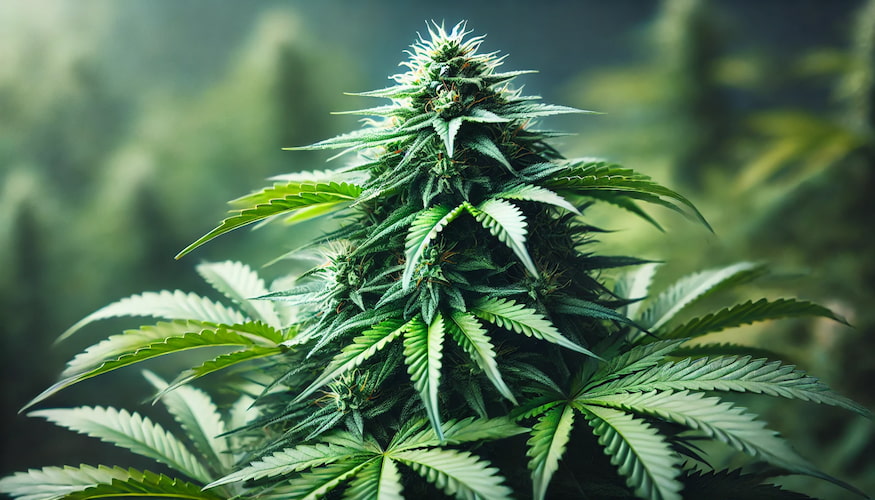
When it comes to the best strains for sleep, growers and consumers consistently reach for indica-leaning cultivars with high myrcene and linalool content, paired with THC levels in the 22–28% range. These strains produce the kind of heavy, full-body effect that evening users look for — dense buds, rich terpene profiles, and a sedative-leaning finish. At IWantClones.com, we carry verified clones of the top nighttime cultivars so you can grow exactly what you need, not guess at it from a seed pack.

Key Takeaways

  • Indica-dominant strains with high myrcene content are the most popular choice among growers targeting evening and nighttime sessions.
  • Terpenes — specifically myrcene, linalool, and caryophyllene — drive the body-heavy character of nighttime cultivars more than THC percentage alone.
  • Harvest timing matters: allowing trichomes to reach 70–80% amber before cutting shifts the cannabinoid profile toward CBN, intensifying the body effect.
  • Clones lock in the exact genetic expression of a proven cultivar — you get the same terpene profile every grow, unlike seeds.
  • Dosi Punch, Mendo Breath, Meat Breath, and GMO are four of the most consistently requested nighttime cultivars we carry at IWantClones.com.
  • Always verify your state and local cannabis cultivation laws before ordering or growing cannabis clones.

What Makes a Cannabis Strain Good for Nighttime Use

Not every strain is built for evenings. The strains that growers reach for when they want a relaxing, wind-down experience share a few consistent traits: indica dominance, a terpene profile heavy in myrcene and linalool, moderate-to-high THC in the 22–28% range, and a growth structure that produces dense, resinous buds. These characteristics work together to deliver a full-body, couch-locked character that users report as ideal for unwinding after a long day.

Indica-dominant genetics tend to express shorter, bushier plant structures and denser bud sites. More importantly, they tend to accumulate a different terpene signature than sativa-leaning cultivars. While sativas lean into limonene and terpinolene — bright, energizing terpenes — indicas push toward myrcene, linalool, and caryophyllene. This terpene stack is what most experienced cannabis consumers associate with an evening-appropriate effect.

THC percentage is part of the equation, but it’s not the whole story. A 28% THC strain with a weak terpene profile may feel less “nighttime” than a 22% strain loaded with myrcene and linalool. Terpenes modulate how THC interacts with your endocannabinoid system through what researchers call the entourage effect. This is why growers who are serious about cultivating nighttime strains pay as much attention to terpene test results as they do to THC percentages.

CBD ratio is another consideration. Pure high-THC strains tend to feel more intense and fast-acting. Strains with a small CBD presence — even 0.5–2% CBD — often feel smoother and more balanced. Several of the strains we feature below sit in that sweet spot: dominant THC with a minor CBD fraction that rounds out the effect.

Key Terpenes for Evening Sessions

Understanding terpenes is the single most important upgrade you can make to your strain selection process. Terpenes are aromatic compounds produced in the same trichomes as cannabinoids. They interact with receptors throughout the body and shape the character of a strain’s effects. Here are the three you should know when selecting nighttime cultivars.

Myrcene

Myrcene is the most abundant terpene in most cannabis strains, and it’s the dominant terpene in virtually every top nighttime cultivar. It carries an earthy, musky, slightly herbal aroma — think cloves and ripe mango. Strains with myrcene concentrations above 0.5% are commonly described by users as producing a body-heavy, relaxing sensation. Top nighttime strains often hit 1.0–1.5% myrcene at harvest.

Myrcene also appears in hops, thyme, and mangoes. Some experienced consumers eat a ripe mango before a session specifically because myrcene from the fruit is reported to potentiate the body-heavy effect. Whether or not that holds up universally, the data on myrcene-dominant cannabis strains producing a sedative-leaning character is consistent enough that most experienced growers treat high myrcene as the defining marker of a true nighttime cultivar.

Linalool

Linalool is the second terpene on our list, and it’s a big part of what separates a good nighttime strain from a great one. It has a floral, slightly spicy aroma — the same compound that gives lavender its distinctive scent. Linalool appears in cannabis strains at lower concentrations than myrcene (typically 0.1–0.3%), but its contribution to the overall effect profile is significant. Users consistently describe linalool-rich strains as having a calm, grounding character compared to strains with less of it.

In terms of cultivation, linalool content is sensitive to temperature during the late flowering stage. Cooler nighttime temperatures in the final 2–3 weeks of flower — dropping to 65–68°F — can help preserve and even amplify linalool expression in the finished bud. If you’re dialing in an indoor environment for a nighttime cultivar, temperature management during late flower is worth the extra attention.

Caryophyllene

Caryophyllene is the only terpene known to directly interact with cannabinoid receptors — specifically CB2 receptors, which are concentrated in the immune system and peripheral tissues. It has a spicy, peppery, woody aroma and is the dominant terpene in black pepper and cloves. In cannabis, caryophyllene contributes to the body-focused, anti-tension character that experienced users associate with indica cultivars.

Caryophyllene typically appears in nighttime strains at concentrations of 0.2–0.8%. It’s particularly prominent in GMO (Garlic Mushroom Onion) and Mendo Breath, two of the strains we feature below. If you’re choosing between two similar strains and one has meaningfully higher caryophyllene, lean toward that one for evening use. It’s one of the clearest markers of a body-heavy effect profile.

For a deeper look at how terpenes shape cannabis effects, read our full guide: Cannabis Terpenes Explained.

Best Cannabis Strains for Sleep: Our Top Clone Picks

The strains below represent some of the most consistently requested nighttime cultivars we carry. Each one is available as a verified clone — rooted, hardened off, and ready to plant. When you buy a clone instead of a seed, you’re locking in the exact genetic expression of a proven phenotype. No pheno hunting, no guessing. You get the terpene profile, the structure, and the effect character you’re expecting, harvest after harvest.

Browse our full selection at the Sleep Aid product tag and the Sedative product tag for the complete lineup.

1. Dosi Punch

Dosi Punch is a cross between Do-Si-Dos and Purple Punch — two of the most beloved indica-dominant cultivars of the last decade. The result is a strain that packs the doughy, earthy sweetness of Do-Si-Dos with Purple Punch’s grape candy and berry terpene signature. It’s consistently one of our most requested evening cultivars, and once you see the resin production on a healthy Dosi Punch plant, it’s easy to understand why.

Genetically, Dosi Punch runs about 70–80% indica. THC levels tested from our verified clone stock typically come in between 22–26%. The terpene profile is myrcene-dominant, followed by caryophyllene and limonene, with linalool rounding out the backend. Users report the effect as building slowly, starting with a light cerebral lift before transitioning into a heavy, full-body relaxation that most people describe as ideal for evening use.

From a cultivation standpoint, Dosi Punch is one of the more manageable nighttime strains we carry. It finishes in 8–9 weeks of flower, grows to a compact-medium height, and responds well to low-stress training (LST) and light defoliation. Expect dense, frosty colas with deep purple hues when nighttime temperatures drop below 65°F in late flower. Yield potential indoors runs 400–500g/m² with proper light intensity and canopy management.

Dosi Punch is a strain that rewards patient growers who push the harvest window a week later than instinct suggests. Let the trichomes tell you when — you want 60–70% amber before cutting for maximum body effect. Read our full Dosi Punch strain and clone guide for detailed growing tips.

2. Mendo Breath

Mendo Breath is a cross of OG Kush Breath (OGKB) and Mendo Montage, and it’s been a fixture in the nighttime strain conversation since it first made waves out of the Emerald Triangle region of Northern California. The name says it all — this strain has a rich, vanilla-and-caramel aroma with earthy undertones that makes it immediately recognizable. Buds are dense and round, coated in trichomes, with a creamy, sweet smoke that longtime users consistently describe as one of the smoothest evening cultivars available.

Mendo Breath runs heavily indica-dominant at approximately 80% indica genetics. THC ranges from 19–24% in tested cuts, with a notable minor cannabinoid presence including small amounts of CBG. The terpene profile is caryophyllene-dominant, supported by myrcene and linalool. That caryophyllene-forward character gives Mendo Breath a distinctly body-heavy finish that experienced cannabis consumers often prefer for late-night use specifically.

In the garden, Mendo Breath is a compact, sturdy plant with classic indica structure: short internodal spacing, broad fan leaves, and thick branching. It finishes in 8–9 weeks indoors and responds extremely well to a Screen of Green (SCROG) setup due to its natural lateral branching pattern. Expect moderate-to-high yields with excellent resin density. Mendo Breath is also one of the better strains for dry-and-cure patience — the terpene profile deepens noticeably with a proper 60-day cure.

Growers who want maximum body effect from Mendo Breath should pay close attention to the flush and harvest window. This cultivar benefits more than most from a thorough final-week flush and a dark period before harvest. Read the full Mendo Breath strain and clone guide to get the most out of this cultivar.

3. Meat Breath

Meat Breath is one of those strains that earns a loyal following the moment someone grows it. It’s a cross of Meatloaf and Mendo Breath, leaning heavily on the gas-and-earth terpene stack that Mendo Breath fans already love, but pushing it harder and weirder. The name isn’t subtle, and neither is the smell. Meat Breath has a pungent, funky, savory aroma — think diesel, earth, and meat with a sweet backend. It’s not for the faint of nose, but serious growers who prioritize intensity consistently rank it among their top nighttime cultivars.

Meat Breath is approximately 75% indica. THC tests from verified phenotypes typically range from 23–28%, making it one of the higher-THC cultivars in our evening lineup. The terpene profile is myrcene and caryophyllene co-dominant, with lower but notable linalool and limonene presence. Users report a fast-onset, heavy effect that transitions quickly from a warm cerebral phase into deep physical relaxation — often described as a “melt into the couch” experience.

From a cultivation perspective, Meat Breath performs well both indoors and in a greenhouse environment. It has a slightly longer flowering window than Mendo Breath, typically 9–10 weeks, and grows to a medium-tall height that benefits from early training. The branching structure is productive but benefits from some canopy management to ensure light penetration to lower bud sites. Resin production is exceptional — growers who process concentrates frequently choose Meat Breath specifically for its extract potential alongside its flower quality.

One cultivation note: Meat Breath can be sensitive to nutrient burn in the late flowering stage. Back off nitrogen-heavy feeds by week 5 of flower and lean into phosphorus and potassium to support bud development and terpene production. Order Meat Breath clones directly from IWantClones.com — in stock and ready to ship overnight.

4. GMO (Garlic Mushroom Onion)

GMO — short for Garlic Mushroom Onion, also known as GMO Cookies or Garlic Cookies — is one of the most talked-about indica-dominant cultivars of the past five years, and it earned that reputation entirely on the merit of its terpene profile and effect character. This is a cross of GSC (Girl Scout Cookies) and Chemdawg, and it sits at the heavier end of the nighttime strain spectrum. The aroma is bold, savory, and funky — garlic, diesel, and earth — with a sweet cookie undertone from the GSC parent. It’s a love-it-or-love-it strain for growers who want something distinctive.

GMO runs 70–80% indica with THC levels that routinely test at 24–28% in well-grown cuts. The terpene stack is dominated by caryophyllene and myrcene, with the Chemdawg lineage contributing a distinctive fuel-forward character that layered growers recognize immediately. Linalool and limonene appear as minor terpenes and smooth out the overall profile. Users consistently describe GMO as producing a slow-building, deeply physical effect that evening consumers find particularly satisfying — one of the most “classic indica” experiences available in modern genetics.

GMO is a moderately demanding cultivar in the garden. It grows to a medium height with good branch structure and responds well to topping and HST techniques. Flowering time runs 9–10 weeks, and the plant rewards growers who allow the full window rather than rushing to harvest. Bud density is excellent, resin production is very high, and GMO is one of the better strains for making rosin or live resin due to the density of its trichome heads. Indoor yields average 400–500g/m² under quality LED or HPS lighting.

One thing to watch with GMO is humidity in the final weeks. Dense bud structure and heavy resin production can make it susceptible to botrytis if RH climbs above 45% during late flower. Keep airflow strong and RH in the 40–45% range from week 7 onward. Browse our Sleep Aid collection to find GMO clones and comparable cultivars in stock.

Strain Comparison Table

Strain Type THC Range Key Terpenes Flower Time Why Growers Choose It
Dosi Punch 70–80% Indica 22–26% Myrcene, Caryophyllene, Linalool 8–9 weeks Heavy body effect, grape-and-earth terp profile, excellent resin; popular for evening sessions
Mendo Breath ~80% Indica 19–24% Caryophyllene, Myrcene, Linalool 8–9 weeks Vanilla-caramel aroma, smooth smoke, caryophyllene-dominant; often chosen for late-night use
Meat Breath ~75% Indica 23–28% Myrcene, Caryophyllene, Linalool 9–10 weeks High THC, pungent savory terps, fast-onset body effect; reported by users as deeply relaxing
GMO (Garlic Mushroom Onion) 70–80% Indica 24–28% Caryophyllene, Myrcene, Limonene 9–10 weeks Classic indica body effect, distinctive garlic-diesel terps; top choice for evening consumers

How to Grow Nighttime Strains for Maximum Effect

The choices you make in the grow room directly shape the effect profile of your finished flower. This is one of the most underappreciated facts in cannabis cultivation. Two growers can start with the same GMO or Mendo Breath clone and end up with meaningfully different finished products depending on how they manage harvest timing, curing, and late-flower environmental conditions. If you want to optimize your nighttime cultivar for maximum body effect, here’s what to focus on.

Harvest Timing: Let the Trichomes Tell You

Harvest timing is the single most powerful tool you have for shifting a strain’s effect profile. Most cultivars are harvested when trichomes are predominantly milky white — this produces the most THC-dominant, clear-headed effect. But for a nighttime cultivar, you want to push the window later. Aim for a trichome reading of 60–80% amber on the calyx trichomes (not the sugar leaves, which amber faster). At this stage, THC has partially degraded into CBN (cannabinol), a mildly psychoactive cannabinoid that most users associate with a heavy, drowsy body effect.

Use a jeweler’s loupe (30x or 60x) or a digital microscope to check trichomes daily starting around week 8. When you see the majority of trichomes transitioning from cloudy to amber — specifically on the buds themselves — you’re entering the harvest window for maximum body effect. For strains like Meat Breath and GMO that already lean heavy, allowing this extended window amplifies their natural character significantly. Read more about dialing in harvest timing in our harvest timing guide.

Late-Flower Environmental Management

The final 2–3 weeks of flower are when your plants are laying down the majority of their terpene content. Environmental decisions during this window have an outsized impact on the finished product. Three adjustments make a meaningful difference for nighttime cultivars:

Drop nighttime temperatures. Temperatures of 62–68°F during the dark cycle in late flower stress the plant in a beneficial way, encouraging anthocyanin production (the purple and blue hues you see in strains like Dosi Punch) and enhancing terpene expression. Linalool in particular is sensitive to temperature and accumulates more readily in cooler conditions.

Reduce relative humidity to 40–45%. Lower humidity in late flower pushes the plant to produce more resin as a moisture-regulation strategy. It also protects dense indica buds from botrytis. Keep airflow consistent — a gentle breeze across the canopy surface at all times.

Consider a 48-hour dark period before harvest. Many experienced growers swear by putting plants in total darkness for 48 hours immediately before cutting. The theory is that plants push remaining mobile resources into the buds in response to the perceived end-of-season signal. Terpene content and resin visibility both appear to improve in the finished product, though results vary by cultivar and environment.

Curing for Terpene Preservation

A proper cure is non-negotiable for a nighttime cultivar. The terpenes that give strains like Mendo Breath and Dosi Punch their distinctive relaxing character are volatile — they off-gas rapidly if you don’t cure correctly. Rushing a cure by under-drying or opening jars too frequently will cost you significant terpene content and blunt the effect profile you worked the entire grow cycle to achieve.

After harvest, dry in a dark environment at 60°F and 60% RH for 10–14 days — slow drying preserves more terpenes than fast drying. Target a moisture content of 10–12% before jarring. Once in jars, burp daily for the first two weeks (twice daily in the first week), then weekly for weeks 3–8. For nighttime cultivars, a 60-day cure produces noticeably better results than a 30-day cure. Myrcene and linalool content deepen with time, and the effect profile becomes more consistent and pronounced.

How to Choose the Right Nighttime Clone

Choosing between the strains above — or any nighttime cultivar — comes down to three factors: your growing setup, your terpene preferences, and your effect priorities. Here’s a practical framework for making the right call.

If you’re growing in a small tent or limited space, prioritize Dosi Punch or Mendo Breath. Both are compact indica plants that respond well to LST and top easily. They don’t stretch aggressively in flower and are forgiving for growers who are still dialing in their environment.

If you want the highest possible THC with a heavy-body finish, go with Meat Breath or GMO. Both push into the 24–28% range and produce some of the most intensely body-heavy effects in our lineup. They require slightly more attention — GMO needs humidity management, Meat Breath needs a lighter feeding hand — but experienced growers consistently rank them at the top.

If you prioritize aroma and smoke quality above all else, Mendo Breath is your strain. The vanilla-caramel-earth terpene profile and exceptionally smooth smoke make it a standout in the evening category. Users who prioritize flavor alongside effect consistently choose Mendo Breath as their go-to nighttime cultivar.

If you want to stand out at your dispensary or among your grow group, GMO is the choice. The funky, savory garlic-and-diesel terpene profile is immediately recognizable and generates strong reactions. It’s also a top-tier extract cultivar, so if you’re processing into concentrates, GMO’s resin density gives you excellent yield.

For help narrowing down based on your specific setup, check out our clone strain selection guide. And if you’re still exploring, browse the full IWantClones.com shop — we carry verified, rooted clones of dozens of cultivars, with overnight shipping to most US addresses.

All clones at IWantClones.com are priced at $98.88 and come with a 3-day guarantee. We ship overnight because clones don’t travel like seeds — they’re live plants, and we treat them that way.

Where to Browse Sleep-Friendly Clones

We’ve organized our catalog to make nighttime strain selection as simple as possible. Start with these two collection pages:

  • Sleep Aid Clones — our curated selection of cultivars most often chosen for evening and nighttime use, including Dosi Punch, GMO, and others.
  • Sedative Strains — cultivars specifically noted for producing a heavy, body-dominant effect profile.

If you know what you want, you can go directly to individual product pages. Meat Breath clones are available here. For Dosi Punch and Mendo Breath, visit their respective clone guides for details on availability and current stock.

IWantClones.com is backed by the genetics expertise of SeedsHereNow.com — 15+ years in the cannabis genetics business. Every clone we carry is verified, rooted, and shipped with care. US shipping only. Overnight delivery on all clones.

Important: Cannabis cultivation laws vary by state and locality. Always verify that cannabis cultivation is legal in your jurisdiction and that you are complying with all applicable state and local regulations before ordering or growing cannabis clones.

Frequently Asked Questions

What terpenes are best for nighttime cannabis use?

Myrcene, linalool, and caryophyllene are the three terpenes most consistently associated with nighttime cannabis strains. Myrcene is the most abundant and produces a body-heavy, earthy character. Linalool adds a floral, calming dimension similar to lavender. Caryophyllene, the only terpene that binds directly to CB2 receptors, adds a spicy, peppery quality and contributes to the physical body sensation. Strains dominant in all three are popular evening cultivars.

Is indica always better for nighttime use?

Indica-dominant genetics are the most popular choice for evening sessions, but the label “indica” is a general guide, not a guarantee. What matters more is the actual terpene profile of the specific cultivar. A well-selected hybrid with a myrcene- and linalool-dominant terpene stack can outperform a mediocre pure indica. Always look at terpene data when available, and prioritize verified clones with known genetics over random seeds that may not express the expected profile.

How does harvest timing affect a strain’s relaxing qualities?

Harvesting later — when 60–80% of calyx trichomes have turned amber — shifts the cannabinoid profile toward CBN (cannabinol), a degradation product of THC that many users describe as producing a heavier, more sedative body effect. Harvesting early, with mostly clear or milky trichomes, produces a more stimulating, head-focused experience. For nighttime cultivars, allowing the full harvest window and even pushing a week beyond the standard recommendation significantly amplifies the body-heavy character. Learn more in our harvest timing guide.

What’s the difference between sleep-aid and sedative strains?

At IWantClones.com, we use “sleep-aid” as a broad category label for strains popular among growers and consumers targeting evening and nighttime use — strains with a body-heavy, relaxing character. “Sedative” is a narrower tag we apply to cultivars specifically reported by users to produce a more deeply physical, couch-locked effect. GMO, Meat Breath, and similar high-THC, caryophyllene-dominant strains often land in the sedative category. Browse both tags to see the full spectrum of what we carry.

How do I know if a clone will have the right terpene profile?

This is exactly why clones beat seeds for growers who care about effect profile. A verified clone from IWantClones.com is taken from a known mother plant with a documented terpene expression. You’re not pheno hunting — you’re starting with a cut from a plant that has already been selected for the terpene and effect profile you want. Read the strain guides on our site for specific terpene data, and browse our terpenes guide for a deeper explanation of what to look for.

Share

Comments are closed.

Also recommended

Best Cannabis Strains for Sleep: Top Clones for Nighttime

July 23, 2026
Rare cannabis clone strains

When it comes to the best strains for sleep, growers and consumers consistently reach for indica-leaning cultivars with high myrcene and linalool content, paired with THC levels in the 22–28% range. These strains produce the kind of heavy, full-body effect that evening users look for — dense buds, rich terpene profiles, and a sedative-leaning finish. At IWantClones.com, we carry verified clones of the top nighttime cultivars so you can grow exactly what you need, not guess at it from a seed pack.

Key Takeaways

  • Indica-dominant strains with high myrcene content are the most popular choice among growers targeting evening and nighttime sessions.
  • Terpenes — specifically myrcene, linalool, and caryophyllene — drive the body-heavy character of nighttime cultivars more than THC percentage alone.
  • Harvest timing matters: allowing trichomes to reach 70–80% amber before cutting shifts the cannabinoid profile toward CBN, intensifying the body effect.
  • Clones lock in the exact genetic expression of a proven cultivar — you get the same terpene profile every grow, unlike seeds.
  • Dosi Punch, Mendo Breath, Meat Breath, and GMO are four of the most consistently requested nighttime cultivars we carry at IWantClones.com.
  • Always verify your state and local cannabis cultivation laws before ordering or growing cannabis clones.

What Makes a Cannabis Strain Good for Nighttime Use

Not every strain is built for evenings. The strains that growers reach for when they want a relaxing, wind-down experience share a few consistent traits: indica dominance, a terpene profile heavy in myrcene and linalool, moderate-to-high THC in the 22–28% range, and a growth structure that produces dense, resinous buds. These characteristics work together to deliver a full-body, couch-locked character that users report as ideal for unwinding after a long day.

Indica-dominant genetics tend to express shorter, bushier plant structures and denser bud sites. More importantly, they tend to accumulate a different terpene signature than sativa-leaning cultivars. While sativas lean into limonene and terpinolene — bright, energizing terpenes — indicas push toward myrcene, linalool, and caryophyllene. This terpene stack is what most experienced cannabis consumers associate with an evening-appropriate effect.

THC percentage is part of the equation, but it’s not the whole story. A 28% THC strain with a weak terpene profile may feel less “nighttime” than a 22% strain loaded with myrcene and linalool. Terpenes modulate how THC interacts with your endocannabinoid system through what researchers call the entourage effect. This is why growers who are serious about cultivating nighttime strains pay as much attention to terpene test results as they do to THC percentages.

CBD ratio is another consideration. Pure high-THC strains tend to feel more intense and fast-acting. Strains with a small CBD presence — even 0.5–2% CBD — often feel smoother and more balanced. Several of the strains we feature below sit in that sweet spot: dominant THC with a minor CBD fraction that rounds out the effect.

Key Terpenes for Evening Sessions

Understanding terpenes is the single most important upgrade you can make to your strain selection process. Terpenes are aromatic compounds produced in the same trichomes as cannabinoids. They interact with receptors throughout the body and shape the character of a strain’s effects. Here are the three you should know when selecting nighttime cultivars.

Myrcene

Myrcene is the most abundant terpene in most cannabis strains, and it’s the dominant terpene in virtually every top nighttime cultivar. It carries an earthy, musky, slightly herbal aroma — think cloves and ripe mango. Strains with myrcene concentrations above 0.5% are commonly described by users as producing a body-heavy, relaxing sensation. Top nighttime strains often hit 1.0–1.5% myrcene at harvest.

Myrcene also appears in hops, thyme, and mangoes. Some experienced consumers eat a ripe mango before a session specifically because myrcene from the fruit is reported to potentiate the body-heavy effect. Whether or not that holds up universally, the data on myrcene-dominant cannabis strains producing a sedative-leaning character is consistent enough that most experienced growers treat high myrcene as the defining marker of a true nighttime cultivar.

Linalool

Linalool is the second terpene on our list, and it’s a big part of what separates a good nighttime strain from a great one. It has a floral, slightly spicy aroma — the same compound that gives lavender its distinctive scent. Linalool appears in cannabis strains at lower concentrations than myrcene (typically 0.1–0.3%), but its contribution to the overall effect profile is significant. Users consistently describe linalool-rich strains as having a calm, grounding character compared to strains with less of it.

In terms of cultivation, linalool content is sensitive to temperature during the late flowering stage. Cooler nighttime temperatures in the final 2–3 weeks of flower — dropping to 65–68°F — can help preserve and even amplify linalool expression in the finished bud. If you’re dialing in an indoor environment for a nighttime cultivar, temperature management during late flower is worth the extra attention.

Caryophyllene

Caryophyllene is the only terpene known to directly interact with cannabinoid receptors — specifically CB2 receptors, which are concentrated in the immune system and peripheral tissues. It has a spicy, peppery, woody aroma and is the dominant terpene in black pepper and cloves. In cannabis, caryophyllene contributes to the body-focused, anti-tension character that experienced users associate with indica cultivars.

Caryophyllene typically appears in nighttime strains at concentrations of 0.2–0.8%. It’s particularly prominent in GMO (Garlic Mushroom Onion) and Mendo Breath, two of the strains we feature below. If you’re choosing between two similar strains and one has meaningfully higher caryophyllene, lean toward that one for evening use. It’s one of the clearest markers of a body-heavy effect profile.

For a deeper look at how terpenes shape cannabis effects, read our full guide: Cannabis Terpenes Explained.

Best Cannabis Strains for Sleep: Our Top Clone Picks

The strains below represent some of the most consistently requested nighttime cultivars we carry. Each one is available as a verified clone — rooted, hardened off, and ready to plant. When you buy a clone instead of a seed, you’re locking in the exact genetic expression of a proven phenotype. No pheno hunting, no guessing. You get the terpene profile, the structure, and the effect character you’re expecting, harvest after harvest.

Browse our full selection at the Sleep Aid product tag and the Sedative product tag for the complete lineup.

1. Dosi Punch

Dosi Punch is a cross between Do-Si-Dos and Purple Punch — two of the most beloved indica-dominant cultivars of the last decade. The result is a strain that packs the doughy, earthy sweetness of Do-Si-Dos with Purple Punch’s grape candy and berry terpene signature. It’s consistently one of our most requested evening cultivars, and once you see the resin production on a healthy Dosi Punch plant, it’s easy to understand why.

Genetically, Dosi Punch runs about 70–80% indica. THC levels tested from our verified clone stock typically come in between 22–26%. The terpene profile is myrcene-dominant, followed by caryophyllene and limonene, with linalool rounding out the backend. Users report the effect as building slowly, starting with a light cerebral lift before transitioning into a heavy, full-body relaxation that most people describe as ideal for evening use.

From a cultivation standpoint, Dosi Punch is one of the more manageable nighttime strains we carry. It finishes in 8–9 weeks of flower, grows to a compact-medium height, and responds well to low-stress training (LST) and light defoliation. Expect dense, frosty colas with deep purple hues when nighttime temperatures drop below 65°F in late flower. Yield potential indoors runs 400–500g/m² with proper light intensity and canopy management.

Dosi Punch is a strain that rewards patient growers who push the harvest window a week later than instinct suggests. Let the trichomes tell you when — you want 60–70% amber before cutting for maximum body effect. Read our full Dosi Punch strain and clone guide for detailed growing tips.

2. Mendo Breath

Mendo Breath is a cross of OG Kush Breath (OGKB) and Mendo Montage, and it’s been a fixture in the nighttime strain conversation since it first made waves out of the Emerald Triangle region of Northern California. The name says it all — this strain has a rich, vanilla-and-caramel aroma with earthy undertones that makes it immediately recognizable. Buds are dense and round, coated in trichomes, with a creamy, sweet smoke that longtime users consistently describe as one of the smoothest evening cultivars available.

Mendo Breath runs heavily indica-dominant at approximately 80% indica genetics. THC ranges from 19–24% in tested cuts, with a notable minor cannabinoid presence including small amounts of CBG. The terpene profile is caryophyllene-dominant, supported by myrcene and linalool. That caryophyllene-forward character gives Mendo Breath a distinctly body-heavy finish that experienced cannabis consumers often prefer for late-night use specifically.

In the garden, Mendo Breath is a compact, sturdy plant with classic indica structure: short internodal spacing, broad fan leaves, and thick branching. It finishes in 8–9 weeks indoors and responds extremely well to a Screen of Green (SCROG) setup due to its natural lateral branching pattern. Expect moderate-to-high yields with excellent resin density. Mendo Breath is also one of the better strains for dry-and-cure patience — the terpene profile deepens noticeably with a proper 60-day cure.

Growers who want maximum body effect from Mendo Breath should pay close attention to the flush and harvest window. This cultivar benefits more than most from a thorough final-week flush and a dark period before harvest. Read the full Mendo Breath strain and clone guide to get the most out of this cultivar.

3. Meat Breath

Meat Breath is one of those strains that earns a loyal following the moment someone grows it. It’s a cross of Meatloaf and Mendo Breath, leaning heavily on the gas-and-earth terpene stack that Mendo Breath fans already love, but pushing it harder and weirder. The name isn’t subtle, and neither is the smell. Meat Breath has a pungent, funky, savory aroma — think diesel, earth, and meat with a sweet backend. It’s not for the faint of nose, but serious growers who prioritize intensity consistently rank it among their top nighttime cultivars.

Meat Breath is approximately 75% indica. THC tests from verified phenotypes typically range from 23–28%, making it one of the higher-THC cultivars in our evening lineup. The terpene profile is myrcene and caryophyllene co-dominant, with lower but notable linalool and limonene presence. Users report a fast-onset, heavy effect that transitions quickly from a warm cerebral phase into deep physical relaxation — often described as a “melt into the couch” experience.

From a cultivation perspective, Meat Breath performs well both indoors and in a greenhouse environment. It has a slightly longer flowering window than Mendo Breath, typically 9–10 weeks, and grows to a medium-tall height that benefits from early training. The branching structure is productive but benefits from some canopy management to ensure light penetration to lower bud sites. Resin production is exceptional — growers who process concentrates frequently choose Meat Breath specifically for its extract potential alongside its flower quality.

One cultivation note: Meat Breath can be sensitive to nutrient burn in the late flowering stage. Back off nitrogen-heavy feeds by week 5 of flower and lean into phosphorus and potassium to support bud development and terpene production. Order Meat Breath clones directly from IWantClones.com — in stock and ready to ship overnight.

4. GMO (Garlic Mushroom Onion)

GMO — short for Garlic Mushroom Onion, also known as GMO Cookies or Garlic Cookies — is one of the most talked-about indica-dominant cultivars of the past five years, and it earned that reputation entirely on the merit of its terpene profile and effect character. This is a cross of GSC (Girl Scout Cookies) and Chemdawg, and it sits at the heavier end of the nighttime strain spectrum. The aroma is bold, savory, and funky — garlic, diesel, and earth — with a sweet cookie undertone from the GSC parent. It’s a love-it-or-love-it strain for growers who want something distinctive.

GMO runs 70–80% indica with THC levels that routinely test at 24–28% in well-grown cuts. The terpene stack is dominated by caryophyllene and myrcene, with the Chemdawg lineage contributing a distinctive fuel-forward character that layered growers recognize immediately. Linalool and limonene appear as minor terpenes and smooth out the overall profile. Users consistently describe GMO as producing a slow-building, deeply physical effect that evening consumers find particularly satisfying — one of the most “classic indica” experiences available in modern genetics.

GMO is a moderately demanding cultivar in the garden. It grows to a medium height with good branch structure and responds well to topping and HST techniques. Flowering time runs 9–10 weeks, and the plant rewards growers who allow the full window rather than rushing to harvest. Bud density is excellent, resin production is very high, and GMO is one of the better strains for making rosin or live resin due to the density of its trichome heads. Indoor yields average 400–500g/m² under quality LED or HPS lighting.

One thing to watch with GMO is humidity in the final weeks. Dense bud structure and heavy resin production can make it susceptible to botrytis if RH climbs above 45% during late flower. Keep airflow strong and RH in the 40–45% range from week 7 onward. Browse our Sleep Aid collection to find GMO clones and comparable cultivars in stock.

Strain Comparison Table

Strain Type THC Range Key Terpenes Flower Time Why Growers Choose It
Dosi Punch 70–80% Indica 22–26% Myrcene, Caryophyllene, Linalool 8–9 weeks Heavy body effect, grape-and-earth terp profile, excellent resin; popular for evening sessions
Mendo Breath ~80% Indica 19–24% Caryophyllene, Myrcene, Linalool 8–9 weeks Vanilla-caramel aroma, smooth smoke, caryophyllene-dominant; often chosen for late-night use
Meat Breath ~75% Indica 23–28% Myrcene, Caryophyllene, Linalool 9–10 weeks High THC, pungent savory terps, fast-onset body effect; reported by users as deeply relaxing
GMO (Garlic Mushroom Onion) 70–80% Indica 24–28% Caryophyllene, Myrcene, Limonene 9–10 weeks Classic indica body effect, distinctive garlic-diesel terps; top choice for evening consumers

How to Grow Nighttime Strains for Maximum Effect

The choices you make in the grow room directly shape the effect profile of your finished flower. This is one of the most underappreciated facts in cannabis cultivation. Two growers can start with the same GMO or Mendo Breath clone and end up with meaningfully different finished products depending on how they manage harvest timing, curing, and late-flower environmental conditions. If you want to optimize your nighttime cultivar for maximum body effect, here’s what to focus on.

Harvest Timing: Let the Trichomes Tell You

Harvest timing is the single most powerful tool you have for shifting a strain’s effect profile. Most cultivars are harvested when trichomes are predominantly milky white — this produces the most THC-dominant, clear-headed effect. But for a nighttime cultivar, you want to push the window later. Aim for a trichome reading of 60–80% amber on the calyx trichomes (not the sugar leaves, which amber faster). At this stage, THC has partially degraded into CBN (cannabinol), a mildly psychoactive cannabinoid that most users associate with a heavy, drowsy body effect.

Use a jeweler’s loupe (30x or 60x) or a digital microscope to check trichomes daily starting around week 8. When you see the majority of trichomes transitioning from cloudy to amber — specifically on the buds themselves — you’re entering the harvest window for maximum body effect. For strains like Meat Breath and GMO that already lean heavy, allowing this extended window amplifies their natural character significantly. Read more about dialing in harvest timing in our harvest timing guide.

Late-Flower Environmental Management

The final 2–3 weeks of flower are when your plants are laying down the majority of their terpene content. Environmental decisions during this window have an outsized impact on the finished product. Three adjustments make a meaningful difference for nighttime cultivars:

Drop nighttime temperatures. Temperatures of 62–68°F during the dark cycle in late flower stress the plant in a beneficial way, encouraging anthocyanin production (the purple and blue hues you see in strains like Dosi Punch) and enhancing terpene expression. Linalool in particular is sensitive to temperature and accumulates more readily in cooler conditions.

Reduce relative humidity to 40–45%. Lower humidity in late flower pushes the plant to produce more resin as a moisture-regulation strategy. It also protects dense indica buds from botrytis. Keep airflow consistent — a gentle breeze across the canopy surface at all times.

Consider a 48-hour dark period before harvest. Many experienced growers swear by putting plants in total darkness for 48 hours immediately before cutting. The theory is that plants push remaining mobile resources into the buds in response to the perceived end-of-season signal. Terpene content and resin visibility both appear to improve in the finished product, though results vary by cultivar and environment.

Curing for Terpene Preservation

A proper cure is non-negotiable for a nighttime cultivar. The terpenes that give strains like Mendo Breath and Dosi Punch their distinctive relaxing character are volatile — they off-gas rapidly if you don’t cure correctly. Rushing a cure by under-drying or opening jars too frequently will cost you significant terpene content and blunt the effect profile you worked the entire grow cycle to achieve.

After harvest, dry in a dark environment at 60°F and 60% RH for 10–14 days — slow drying preserves more terpenes than fast drying. Target a moisture content of 10–12% before jarring. Once in jars, burp daily for the first two weeks (twice daily in the first week), then weekly for weeks 3–8. For nighttime cultivars, a 60-day cure produces noticeably better results than a 30-day cure. Myrcene and linalool content deepen with time, and the effect profile becomes more consistent and pronounced.

How to Choose the Right Nighttime Clone

Choosing between the strains above — or any nighttime cultivar — comes down to three factors: your growing setup, your terpene preferences, and your effect priorities. Here’s a practical framework for making the right call.

If you’re growing in a small tent or limited space, prioritize Dosi Punch or Mendo Breath. Both are compact indica plants that respond well to LST and top easily. They don’t stretch aggressively in flower and are forgiving for growers who are still dialing in their environment.

If you want the highest possible THC with a heavy-body finish, go with Meat Breath or GMO. Both push into the 24–28% range and produce some of the most intensely body-heavy effects in our lineup. They require slightly more attention — GMO needs humidity management, Meat Breath needs a lighter feeding hand — but experienced growers consistently rank them at the top.

If you prioritize aroma and smoke quality above all else, Mendo Breath is your strain. The vanilla-caramel-earth terpene profile and exceptionally smooth smoke make it a standout in the evening category. Users who prioritize flavor alongside effect consistently choose Mendo Breath as their go-to nighttime cultivar.

If you want to stand out at your dispensary or among your grow group, GMO is the choice. The funky, savory garlic-and-diesel terpene profile is immediately recognizable and generates strong reactions. It’s also a top-tier extract cultivar, so if you’re processing into concentrates, GMO’s resin density gives you excellent yield.

For help narrowing down based on your specific setup, check out our clone strain selection guide. And if you’re still exploring, browse the full IWantClones.com shop — we carry verified, rooted clones of dozens of cultivars, with overnight shipping to most US addresses.

All clones at IWantClones.com are priced at $98.88 and come with a 3-day guarantee. We ship overnight because clones don’t travel like seeds — they’re live plants, and we treat them that way.

Where to Browse Sleep-Friendly Clones

We’ve organized our catalog to make nighttime strain selection as simple as possible. Start with these two collection pages:

  • Sleep Aid Clones — our curated selection of cultivars most often chosen for evening and nighttime use, including Dosi Punch, GMO, and others.
  • Sedative Strains — cultivars specifically noted for producing a heavy, body-dominant effect profile.

If you know what you want, you can go directly to individual product pages. Meat Breath clones are available here. For Dosi Punch and Mendo Breath, visit their respective clone guides for details on availability and current stock.

IWantClones.com is backed by the genetics expertise of SeedsHereNow.com — 15+ years in the cannabis genetics business. Every clone we carry is verified, rooted, and shipped with care. US shipping only. Overnight delivery on all clones.

Important: Cannabis cultivation laws vary by state and locality. Always verify that cannabis cultivation is legal in your jurisdiction and that you are complying with all applicable state and local regulations before ordering or growing cannabis clones.

Frequently Asked Questions

What terpenes are best for nighttime cannabis use?

Myrcene, linalool, and caryophyllene are the three terpenes most consistently associated with nighttime cannabis strains. Myrcene is the most abundant and produces a body-heavy, earthy character. Linalool adds a floral, calming dimension similar to lavender. Caryophyllene, the only terpene that binds directly to CB2 receptors, adds a spicy, peppery quality and contributes to the physical body sensation. Strains dominant in all three are popular evening cultivars.

Is indica always better for nighttime use?

Indica-dominant genetics are the most popular choice for evening sessions, but the label “indica” is a general guide, not a guarantee. What matters more is the actual terpene profile of the specific cultivar. A well-selected hybrid with a myrcene- and linalool-dominant terpene stack can outperform a mediocre pure indica. Always look at terpene data when available, and prioritize verified clones with known genetics over random seeds that may not express the expected profile.

How does harvest timing affect a strain’s relaxing qualities?

Harvesting later — when 60–80% of calyx trichomes have turned amber — shifts the cannabinoid profile toward CBN (cannabinol), a degradation product of THC that many users describe as producing a heavier, more sedative body effect. Harvesting early, with mostly clear or milky trichomes, produces a more stimulating, head-focused experience. For nighttime cultivars, allowing the full harvest window and even pushing a week beyond the standard recommendation significantly amplifies the body-heavy character. Learn more in our harvest timing guide.

What’s the difference between sleep-aid and sedative strains?

At IWantClones.com, we use “sleep-aid” as a broad category label for strains popular among growers and consumers targeting evening and nighttime use — strains with a body-heavy, relaxing character. “Sedative” is a narrower tag we apply to cultivars specifically reported by users to produce a more deeply physical, couch-locked effect. GMO, Meat Breath, and similar high-THC, caryophyllene-dominant strains often land in the sedative category. Browse both tags to see the full spectrum of what we carry.

How do I know if a clone will have the right terpene profile?

This is exactly why clones beat seeds for growers who care about effect profile. A verified clone from IWantClones.com is taken from a known mother plant with a documented terpene expression. You’re not pheno hunting — you’re starting with a cut from a plant that has already been selected for the terpene and effect profile you want. Read the strain guides on our site for specific terpene data, and browse our terpenes guide for a deeper explanation of what to look for.

Written by James Bean

Recent Posts

Best Cannabis Strains for Sleep: Top Clones for Nighttime

Discover the best strains for sleep from IWantClones.com — top indica-leaning clones with myrcene, linalool & caryophyllene for your evening routine. Shop now.

Read More
Dogwalker OG Strain & Clone Grow Guide

Dogwalker OG strain is a potent Albert Walker OG x Chemdawg 91 cross by Karma Genetics. Get full grow tips, effects, and terpene info — order verified clones.

Read More
Indica vs Sativa vs Hybrid: What It Really Means

The indica vs sativa model is popular but scientifically outdated. Learn what terpenes, cannabinoids, and chemovars actually determine about your cannabis experience.

Read More

Subscribe Today!

Get 10% off when you sign up for our weekly updates!

About Us

At IWantClones.com, we are dedicated to providing top-quality cannabis clones to growers of all levels.

Subscribe Today!

Subscribe our newsletter to get our latest update & news
We currently accept credit/debit card payments, cash, check, money order, bitcoin (BTC), litecoin (LTE), bitcoin cash (BCH), and dogecoin (DOGE).
© 2026 seedsherenow.com All Rights Reserved
magnifiercross linkedin facebook pinterest youtube rss twitter instagram facebook-blank rss-blank linkedin-blank pinterest youtube twitter instagram