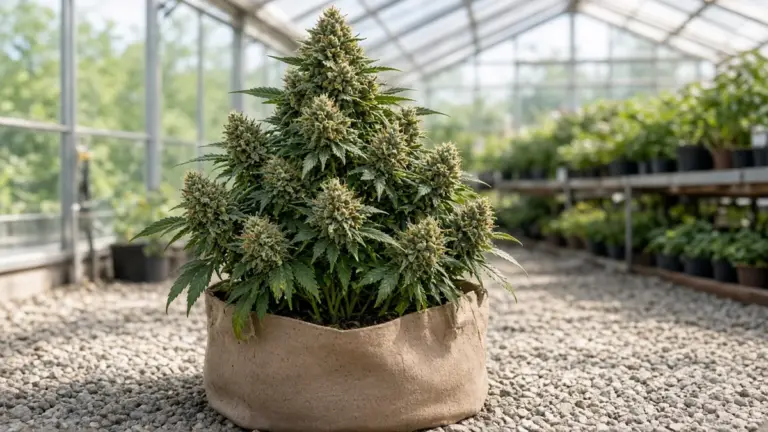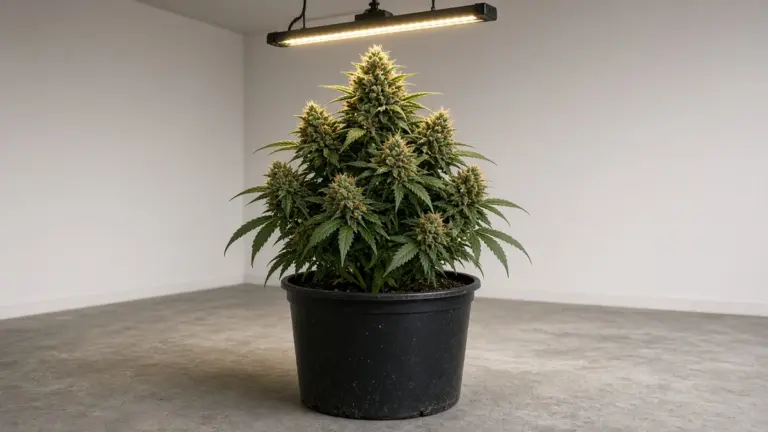


Lemon Lime Soda Strain and Clone Grow Guide: Genetics, Effects and Cultivation
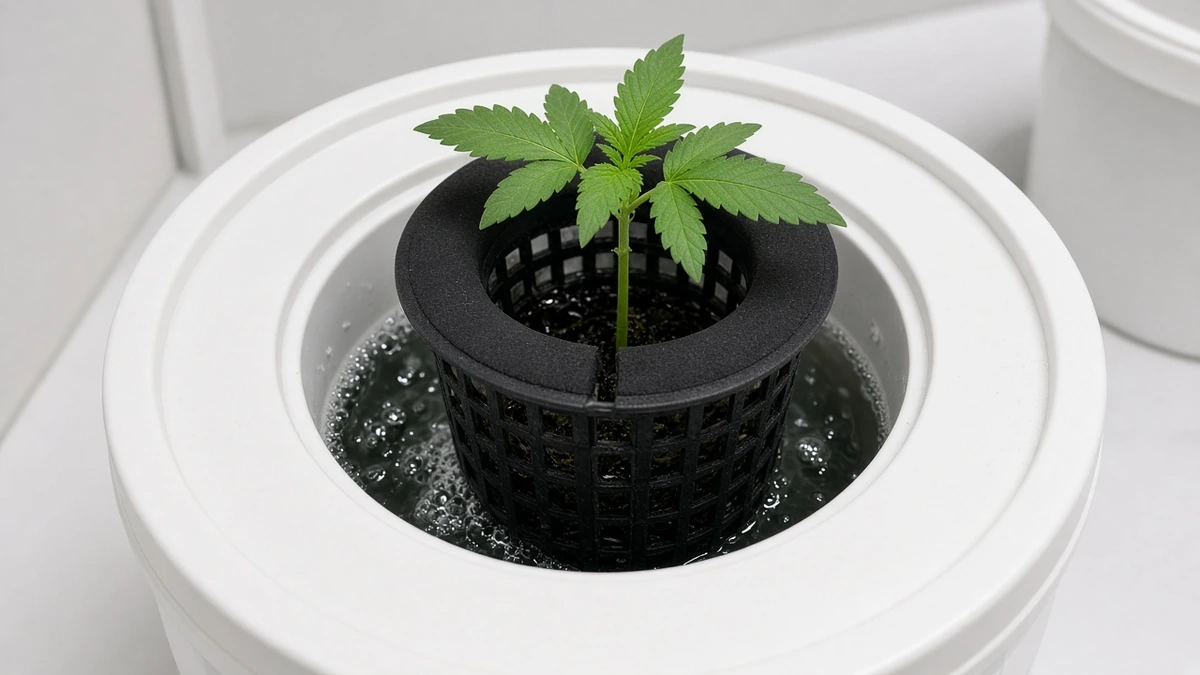
Lemon Lime Soda is one of those strains that exists more as a rumor than a database entry. There is no seed release, no breeder page, no published lineage — just a citrus-drenched clone-only sativa that has survived by being passed hand to hand between growers who refused to let it die. This Lemon Lime Soda strain guide covers what we actually know about the cut, what is still unknown, and how to run it without letting it grow through your ceiling. To look for Lemon Lime Soda clones, visit the I Want Clones shop.
One thing up front: this guide hedges more than most strain guides, and that is deliberate. Where no credible published data exists, it says so instead of inventing numbers.
Key Takeaways
- Lemon Lime Soda is a rare clone-only sativa with no documented parentage — the lineage is not publicly known, and anyone claiming certainty is guessing.
- The nose is the calling card: sharp lemon peel and lime zest over a sweet, fizzy candy note, closer to cold soda than household cleaner.
- It grows like a true sativa — stretchy, vigorous, narrow-leafed — and punishes lazy canopy planning, which makes it moderate difficulty.
- Because the plant only exists as cuttings, a clone is not just the better option — it is the only option.
- It is a Cut-to-Order clone: the vendor has up to three weeks to cut, root, and ship.
Lemon Lime Soda Genetics
Here is the honest answer: nobody has published receipts on where Lemon Lime Soda comes from. There is no breeder claiming it, no seed catalog entry, and no published cross. Search the name and you will mostly find vape carts and terpene blends borrowing it — not the plant. The structure and nose point toward the citrus sativa family, and it would be easy to type a plausible-sounding lineage here and watch it get repeated across the internet as fact. We refuse to do that, and you should be skeptical of any site that does. For another lemon-forward cut, see the Sticky Lemons strain and clone guide.
This is a selected cut held in The Clone Cartel collection and maintained as a mother plant. In clone-only genetics, that kind of custody matters more than a name on a family tree — a documented, true-to-type mother beats a famous lineage attached to a mislabeled cutting every single time. If the original breeder ever surfaces with a credible history, their name belongs at the top of this section and we will put it there.
Aroma, Flavor and Terpene Profile
No lab terpene panel has been published for this cut, so we will not name terpenes we have not measured. What we can describe is the nose, because the nose is the reason this plant survived in trading circles at all. Up front it is sharp lemon peel and lime zest — real citrus oil, not artificial candy — sitting over a sweet, almost effervescent note that genuinely reads like a cold soda. Late in flower a subtle green, herbal edge shows up underneath the citrus and keeps the profile from going one-dimensional.
The flavor tracks the smell closely: bright and tart on the inhale, with the sweetness showing itself on the exhale. In a jar next to gas and dessert cuts, it stands out immediately, which is worth something in a market drowning in cookie crosses.
Lemon Lime Soda Effects: What To Expect
No effect data has been published for this cut.
Sativa-sensitive smokers should ease in: start with less than you think you need.
Lemon Lime Soda Stats at a Glance
| Stat | Detail |
|---|---|
| Type | Sativa (clone-only) |
| Lineage | Not publicly documented — a selected private cut |
| Flowering time | Longer end of typical sativa range; plan patient |
| Yield | No published figures; vigorous plant with good structure when trained |
| Difficulty | Moderate — easy to keep alive, easy to mismanage for height |
A short table, and that is deliberate: it lists only what can be supported, with no invented numbers.
Growing Lemon Lime Soda: What You Need To Know
Lemon Lime Soda is a true sativa grower: stretchy, vigorous, narrow-leaf structure, and flexible branching that trains beautifully if you start early and fights you if you start late.
It is not fussy about feed or climate — it will run indoors or out, and it does not sulk over minor environmental swings the way some designer cuts do. What it punishes is lazy canopy planning. Indoors, give it real vertical headroom or commit to aggressive training from the first week of veg. Flip it earlier than feels right; a plant that looks undersized at flip will fill the space by week three of flower. Keep vapor pressure deficit in a sensible range through the stretch — our VPD guide for cannabis clones covers the targets by growth stage.
If this is your first clone order, read what to do when your clones arrive before the box shows up. A stretchy sativa cut that gets stressed in week one takes longer to bounce back than a squat indica, so the unboxing routine matters here.
Training for Maximum Yield
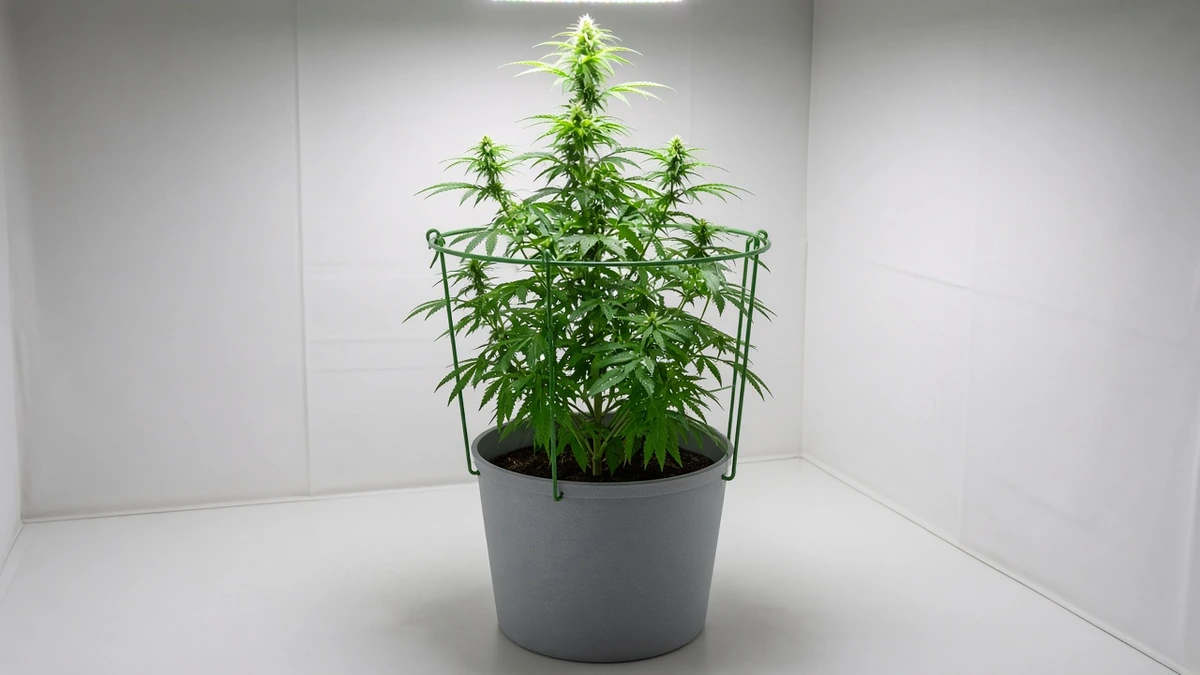
This cut was built for training. The flexible branching takes low-stress training without snapping, and topping early produces an even canopy of strong side branches instead of one dominant cola. A sound approach: top once above the fourth or fifth node, LST the resulting branches outward while they are still pliable, and run a trellis net whether you think you need one or not — the post-flip stretch will convince you.
A ScrOG-style net is the single highest-leverage move with Lemon Lime Soda, because it converts vertical stretch you cannot use into horizontal bud sites you can. Tuck aggressively for the first two to three weeks after flip, then let it go vertical. For the mechanics of topping and tie-downs, the topping and LST guide walks through it step by step.
Feeding and Nutrition
Feed it like a classic sativa, not a modern heavy-feeding hybrid. Moderate nitrogen in veg keeps the stretch manageable — pushing N hard on a plant that already wants to sprint is how you end up with lanky internodes and weak branches. Through flower, keep the feed steady and unremarkable: standard bloom ratios, no aggressive PK boosting needed, and watch runoff numbers rather than the label. If you have never dialed feed by runoff, our EC and PPM runoff guide is the place to start.
The one place not to cut corners is calcium and magnesium under LED lighting. Fast vertical growth plus bright modern lights is the classic recipe for cal-mag deficiency mid-stretch, and this cut stretches harder than most.
Common Problems
The number one problem is height management, full stop. Growers who flip at their usual size run out of ceiling. The fix is boring and effective: flip earlier, train harder, net everything.
Second, thin colas on untrained plants. Left to grow as a single spear, the plant spends its energy on stem instead of flower. Topped, netted plants give better runs.
Third, impatience at the finish. Citrus sativas often look done before they are. Check trichomes, not your calendar, and give it the extra days — the soda-sweet side of the nose develops late. Beyond that, any dense late-flower canopy wants humidity kept in check.
Why Buy Lemon Lime Soda as a Clone Instead of Seeds
Normally this section weighs clones against seeds. For Lemon Lime Soda there is nothing to weigh: no seed version of this plant exists. It has never had a seed release, so there is no pack to pop, no pheno hunt to run, and no feminized knockoff that is actually the same plant. The cut is the strain. Every clone is a genetic duplicate of the mother — same nose, same structure, same finishing window — which is exactly what you want from a plant whose entire value lives in one specific expression.
That also means sourcing is everything. A mislabeled cutting with this name on it is worthless, and with no lab profile to check against, you are trusting the seller’s custody of the mother. It is a Cut-to-Order clone: the vendor has up to three weeks to cut, root, and ship. To look for Lemon Lime Soda clones, visit the I Want Clones shop. The sativa-dominant clones category has other sativas.
Who Is Lemon Lime Soda For?
This is a cut for growers who value rarity and terp character over paperwork. If you want documented lineage and a COA full of numbers, this is not your plant — go run a Sour Diesel. If you want a citrus profile nobody else at the session can name, a true sativa growth pattern that rewards real training, and the specific satisfaction of preserving a cut that exists nowhere else, it is hard to do better.
Skip it if you are on your first grow with hard height limits, or if you need published potency numbers for a commercial menu. It suits hobbyists with at least one harvest done, collectors of clone-only genetics, and anyone building a daytime-smoke rotation.
Harvesting, Drying, and Curing
Let it go long. Like most citrus-leaning sativas, this cut benefits from patience at the end — harvest on cloudy trichomes with the first ambers showing, and expect that to land later than your indicas finish. Chop too early and you get the tartness without the soda sweetness.
Dry it slow and cool: sixty degrees, sixty percent humidity, ten to fourteen days, whole branches if your space allows. Bright citrus top notes are volatile and a fast, hot dry burns them off first — a rushed dry turns soda into generic lemon. Cure in jars, burped daily for the first two weeks, and the profile keeps sharpening for a month. The full process is in our drying and curing guide.
FAQ
What strain is Lemon Lime Soda crossed from?
Nobody can honestly tell you. The parentage is not publicly documented, no breeder has claimed the cut with receipts, and no seed release ever existed. The structure and nose suggest citrus sativa heritage, but that is inference, not lineage. Any site listing specific parents for this cut is guessing.
Is Lemon Lime Soda hard to grow?
Moderate. It is resilient and unfussy about feed and climate, but its true-sativa stretch punishes poor planning. Growers comfortable with topping, low-stress training, and a trellis net will find it easy; growers who let plants do whatever they want will run out of ceiling.
Why does the Lemon Lime Soda clone take three weeks to ship?
It is a Cut-to-Order clone. The vendor has up to three weeks to cut, root, and ship it. For a clone-only plant with no backup seed line, protecting the mother comes first.