


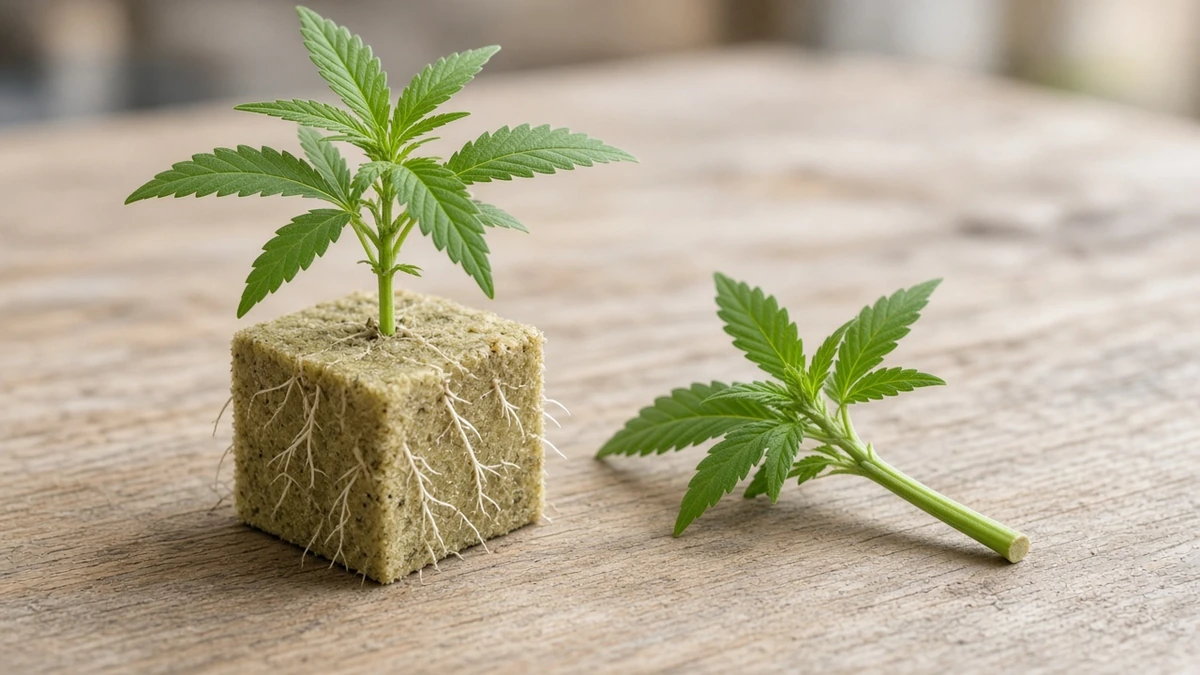
Rooted clones are cuttings from a mother plant that have already grown their own roots, so they arrive past the stage where a fresh cut still has to establish itself. That makes the buying side simple to understand but worth getting right: which order type to pick, what to look at when the box shows up, and how to help the plant through its first week. This guide from I Want Clones (IWC) covers what a rooted clone is, how it differs from an unrooted cutting, how Ready-to-Ship and Cut-to-Order work on the marketplace, how to check roots on arrival, and what the first few days of care look like.
What Is a Rooted Clone?
A clone is a cutting taken from a mother plant, and it’s genetically identical to that mother. A rooted clone is one that has grown a root system of its own. With roots in place, it can draw water from its plug or medium instead of depending on humid air to keep its leaves from drying out while it tries to form roots.
That’s the main reason buyers look for rooted clones: the plant has already finished rooting, the stage a fresh cutting still has to get through. It still needs a gentle start, but it’s ready to settle into a new container once it adjusts to your space.
Rooted Clones vs. Unrooted Cuttings
An unrooted cutting is a fresh cut with no roots yet, and it isn’t considered a clone until it roots. You may see it called an “unrooted clone” in searches. Here’s how the two compare from a buyer’s point of view:
| What You’re Comparing | Rooted Clone | Unrooted Cutting |
|---|---|---|
| Below the stem | A root system in its plug or medium | A cut end with no roots |
| Your first task | Help it adjust, then pot it up | Keep it humid and stable until roots form |
| Setup at home | A container, medium, and suitable light | A dome or cover, a rooting medium, and often rooting hormone |
| Where the risk sits | Mostly behind it | Still ahead, during rooting |
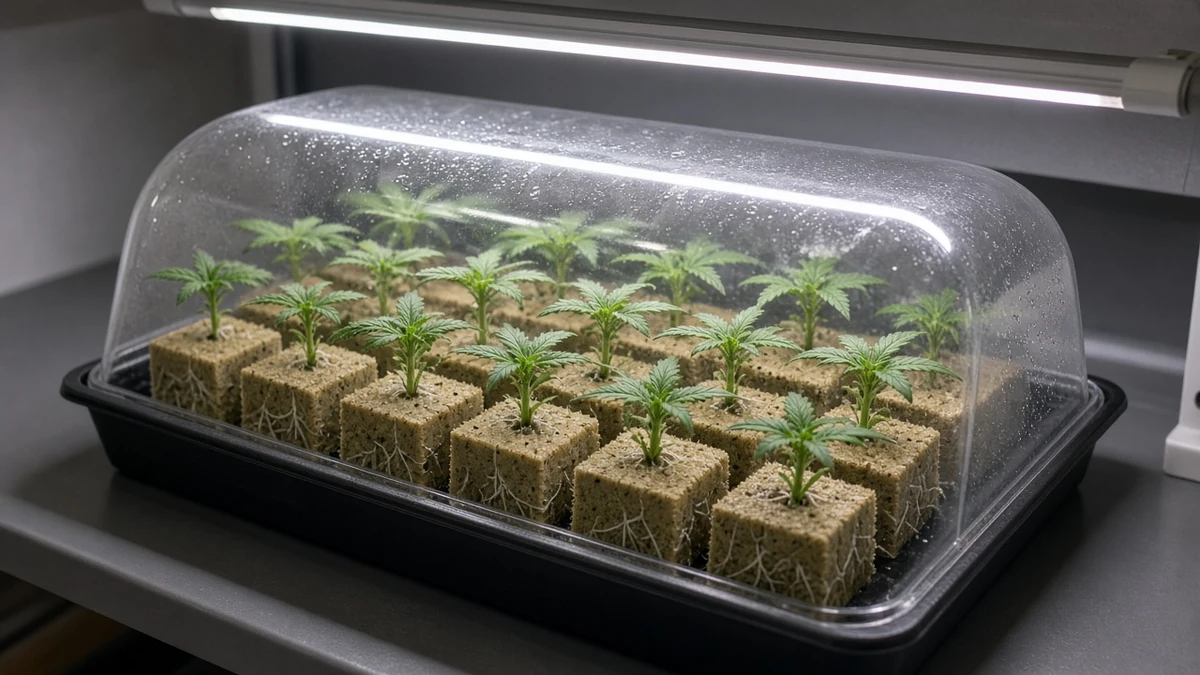
Rooted clones are the simpler start, especially for anyone without a cloning setup. Unrooted cuttings make the most sense when you’re taking cuts from your own mother plant. For the grower’s side of that choice, see the Seeds Here Now grower guide to rooted clones and unrooted cuttings. If you’re rooting your own cuts, the guide to why clones fail to root covers the usual problems, and the guide comparing clones, teens, and seedlings covers other ways to start a grow.
Ready-to-Ship vs. Cut-to-Order on I Want Clones
I Want Clones is a marketplace of approved vendors, and each listing shows its order type. The order type tells you where the clone is in its life when you place your order.
- Ready-to-Ship: Ready-to-Ship clones are already cut and rooted. If you want a plant that has finished rooting before you check out, look for RTS listings.
- Cut-to-Order: The vendor cuts the clone after your order is placed and roots it before it ships. The vendor has up to three weeks to cut, root, and ship.
Before you buy, check the order type on each listing and plan your space around when the plants will be ready. A Cut-to-Order clone means waiting while it roots, so have your area set up before it ships rather than rushing at the last minute.
To look for rooted clones, visit the I Want Clones shop.
What Arrives When You Order
The Shipping & Policies page sets out what to expect once an order is on its way:
- Tracking. You get a tracking number once the order ships, so you can plan to be there when it arrives.
- An adult signature. An adult signature (21+) is required on every delivery, so someone 21 or older needs to be available to sign.
- A hemp compliance statement. Every package includes it.
- The vendor standard. Vendors send clones out free of visible pests, mold, and disease, and true to the listed genetics.
Beyond that, how the plants are packed can vary, so look over both the plants and the packaging as soon as you open the box. If anything looks damaged, take photos before you unpack further.

How To Check Roots on Arrival
Open the box promptly and give each plant a quick look before you move it anywhere. These are the signs that a clone is rooted and its roots are healthy:
- Look at the plug. Check the sides and bottom of the plug, cube, or container for roots. Healthy roots usually look white. Roots that are brown, soft, or mushy suggest rot.
- Check the top. New leaves forming at the tip are a good sign the roots are taking up water.
- Skip the hard tug. A very light pull that meets resistance usually means roots are holding the plant in place, but even a small tug can break young roots. Looking for roots you can see is the safer test.
The guide on what to do when clones arrive walks through the first day in more detail. It’s also good practice to keep new plants apart from the rest of your garden for a while; see how to quarantine clones.
If a clone arrives damaged, dead, or clearly unhealthy, contact I Want Clones within three days of delivery and include clear photos of the plants and the packaging. The steps are on the Shipping & Policies page.
Your Rooted Clone’s First Week
The first week is about letting the clone recover from the move. Moving a plant disturbs its roots, and that can show up as transplant stress, such as wilting or yellowing leaves. These habits help:
- Start gently. Give the clone a calm spot away from harsh light while it recovers from the trip.
- Change one thing at a time. Shift light, humidity, or other conditions in steps, not all at once, so the plant can keep up.
- Pot up carefully. Handle the plug or root ball gently and avoid tearing roots when you move it into its next container.
- Water with restraint. Roots need air as well as water. Use a container that drains well, and let the medium dry back between waterings. See how to water cannabis clones.
- Wait on feeding. A stressed new plant doesn’t need a push, and fertilizer can force top growth the roots can’t support yet.
- Watch the trend. A little droop right after the move often levels off. If it gets worse day by day, see why clones droop and how to fix it.
For what comes after the first week, see the cannabis clone timeline, week by week.
Frequently Asked Questions
How Long Do Clones Take To Root?
It varies with the plant, the cutting, and the environment, so there’s no single answer. Warmth, humidity, a clean medium that drains well, and healthy cutting material all help. Common causes of slow rooting are covered in the guide to why clones fail to root. With a Ready-to-Ship clone, that step is already done before you order.
How Can You Tell if a Clone Is Rooted?
Look for white roots at the sides or bottom of the plug, new growth at the top, and slight resistance when you tug the stem very gently. Visible roots are the safest sign, because tugging can break new roots.
Why Are My Rooted Clones Not Growing?
A freshly moved clone often spends its first days settling in before it puts on visible new growth. If growth stays stalled, check the basics: light, watering, and drainage. Overwatering is a common cause, because soggy medium starves roots of air.
What’s the Difference Between Ready-to-Ship and Cut-to-Order?
Ready-to-Ship clones are already cut and rooted. Cut-to-Order clones are cut after you order, and the vendor has up to three weeks to cut, root, and ship.
Order, Check, and Settle In
Buying rooted clones on I Want Clones comes down to three steps. Pick the order type that fits your timing: Ready-to-Ship if you want a plant that’s already rooted, or Cut-to-Order if you can wait up to three weeks for the vendor to cut, root, and ship. Check the roots and the packaging when the box arrives. If something is wrong, contact I Want Clones within three days of delivery with clear photos of the plants and the packaging, as described on the Shipping & Policies page. Then give the clone a gentle first week, changing one thing at a time, before you push it into steady growth.