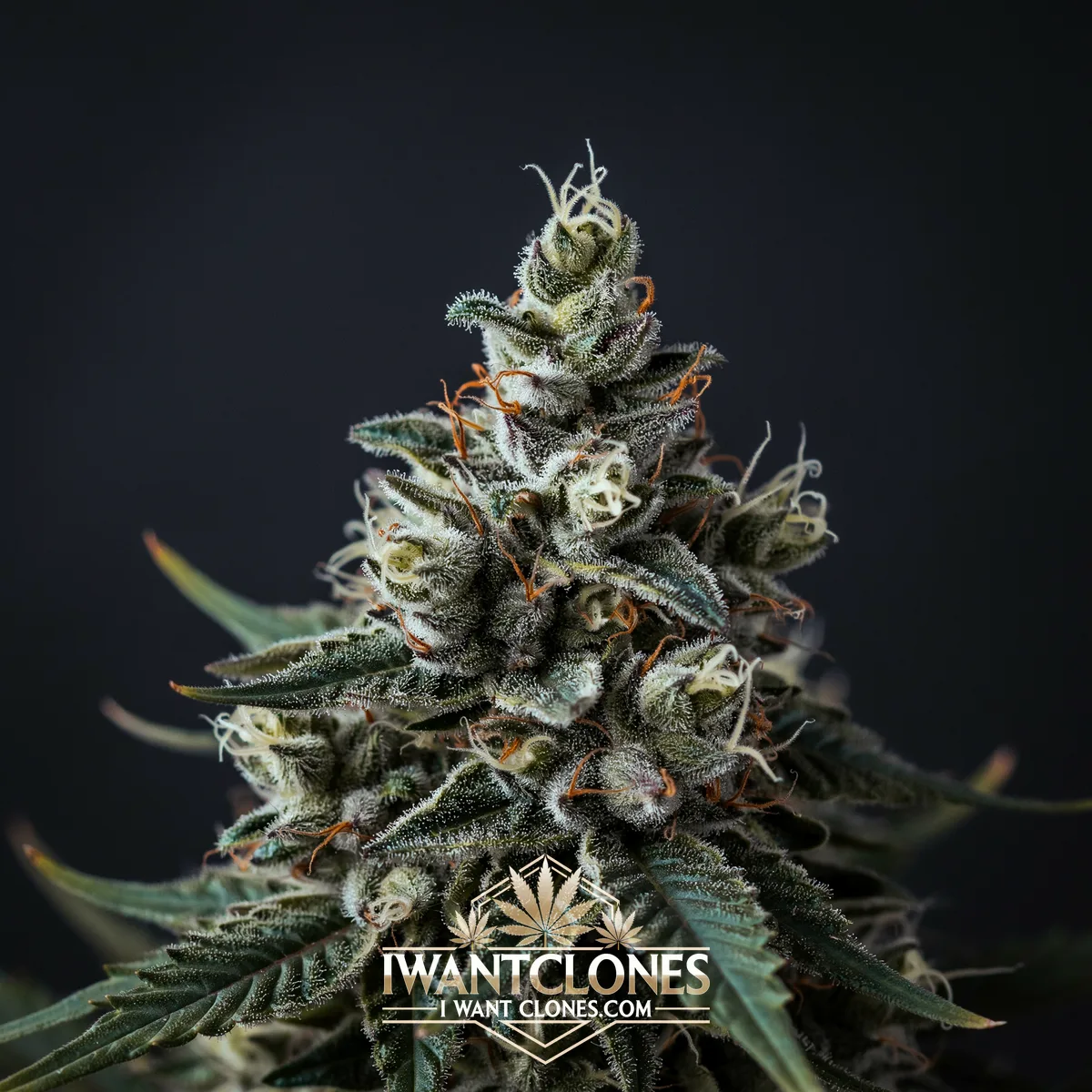
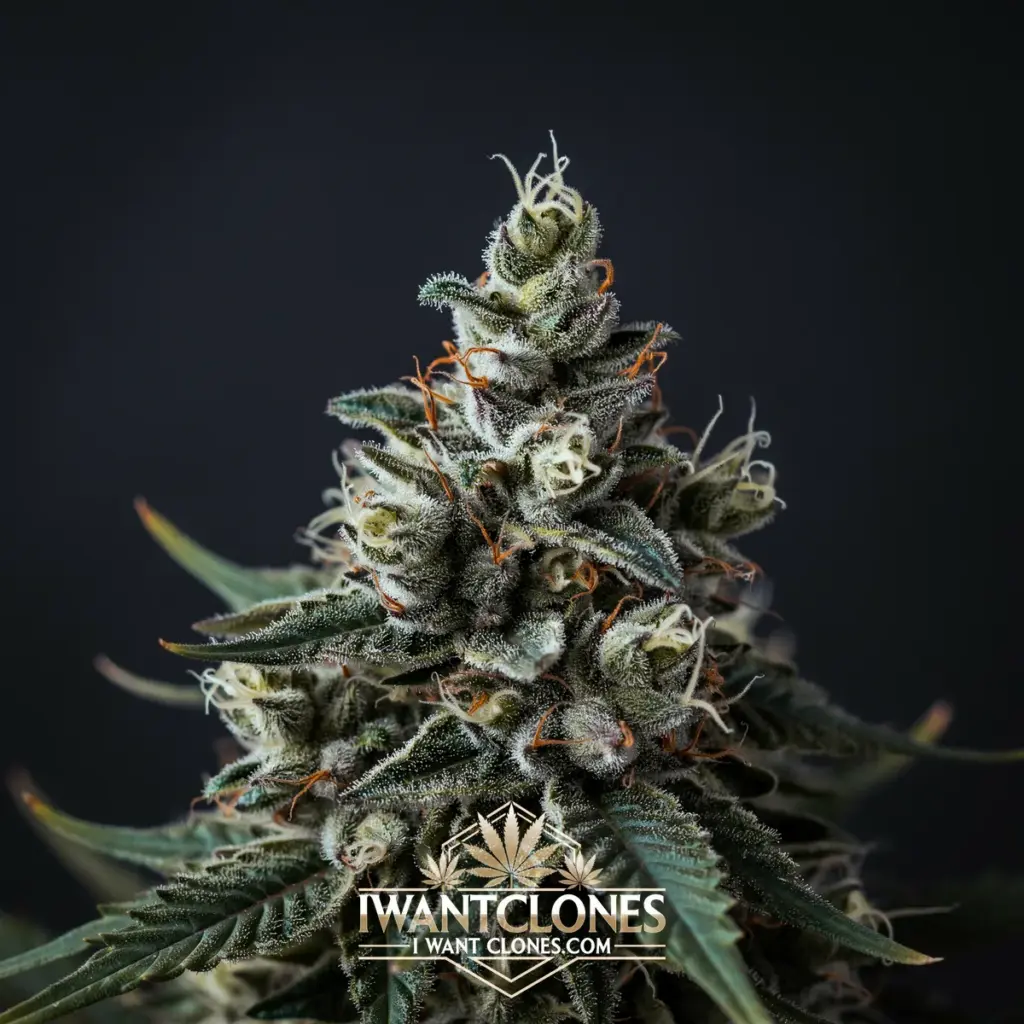
Cap Junky is what happens when two of the most respected breeding programs in modern cannabis pool their keepers. Capulator, the breeder behind MAC1, supplied the Alien Cookies mother. Seed Junky Genetics, the house behind Kush Mints and half the Gelato-era hits, supplied Kush Mints #11. The result is one of the strongest cultivars in circulation, with THC results commonly reported between 28 and 34%. This Cap Junky strain and clone guide covers the genetics, the effects, and exactly how to run the cut in your own room. Cap Junky clones are available here, freshly rooted and HLVd screened.
Key Takeaways
- Cap Junky is a collaboration between Capulator and Seed Junky Genetics, crossing Alien Cookies with Kush Mints #11 — a lineage confirmed across every credible database.
- THC results commonly land between 28 and 34%, putting it in the top tier of potency for anything currently in circulation. This is not a beginner smoke.
- Flowering runs 8 to 10 weeks indoors with a moderate grow difficulty — manageable for anyone with a full run or two behind them.
- The terpene profile leans sour, gassy, and fermented-fruit funky, with a nose loud enough to demand real carbon filtration.
- Running Cap Junky from a verified clone locks in the exact high-testing phenotype instead of gambling on seed variation.
- Expect medium to high yields of dense, heavily frosted flower that finishes well indoors or out.
Cap Junky Genetics
The pedigree here is as heavy as it gets. Alien Cookies x Kush Mints #11 is a genuine two-family collaboration, not another rebrand with a new sticker. Capulator’s Alien Cookies is the same genetic backbone that produced MAC1, a strain that changed what growers expected resin to look like. Seed Junky’s Kush Mints #11 is the selected pheno of Bubba Kush x Animal Mints that carried its own reputation before this cross ever existed.
What makes the pairing work is complementary strengths. The Alien Cookies side brings the otherworldly resin production and a creamy, doughy undertone. The Kush Mints side brings structure, vigor, and that sharp menthol-gas edge that cuts through the sweetness. When Cap Junky started circulating, it moved through the clone-only channels first, and the demand for verified cuts has never really cooled off. If you want the deeper story on the Seed Junky side of the family, our Kush Mints strain and clone guide covers that parent line in full.
Aroma, Flavor and Terpene Profile
Cap Junky smells like trouble in the best way. The dominant notes are sour fermented fruit, sharp chemical gas, and a pungent, almost savory funk underneath. There is a creamy sweetness from the Cookies side that shows up mid-nose, but it never wins the fight — the gas and funk run this profile.
On the palate you get diesel and sour apple up front, a peppery bite in the middle, and a minty, doughy finish that hangs on the exhale. It is a complex, adult flavor, closer to Kush Mints than to any candy strain. One practical note: this plant gets loud in the last three weeks of flower. If you are growing anywhere that smell matters, size your carbon filter for a bigger room than you actually have.
Cap Junky Effects: What To Expect
Straight talk: with reported test results starting where most strains top out, Cap Junky is for experienced consumers, full stop. The onset is fast — an intense, tingly euphoria that hits behind the eyes within minutes. From there it folds in serious body relaxation that builds for the better part of an hour.
User reports skew giggly, relaxed, and euphoric, with the long-lasting note repeated over and over. This is a post-up-and-melt strain, not a get-things-done strain. Save it for the end of the night, clear your calendar, and keep snacks within reach. Low-tolerance smokers should not start here, and even veterans should treat the first session with a new harvest as a calibration run.
Cap Junky Stats at a Glance
| Stat | Detail |
|---|---|
| Type | Hybrid |
| Lineage | Alien Cookies x Kush Mints #11 (Capulator x Seed Junky Genetics) |
| THC range | Commonly reported 28-34% |
| Flowering time | 8-10 weeks (about 63-70 days indoors) |
| Yield | Medium to high |
| Difficulty | Intermediate |
Growing Cap Junky: What You Need To Know
Cap Junky is rated intermediate, and that rating is earned in the details rather than any single hard part. The plant itself is vigorous, with hybrid structure that stretches moderately in early flower — plan for roughly a 50 to 75% stretch and set your net height accordingly.
It runs well in soil, hydro, and greenhouse settings. Indoors, keep vegetative temperatures in the mid-70s Fahrenheit and let flower drift a few degrees cooler at night to bring out density and color. Humidity discipline matters more with this cut than with airier strains: the buds pack on real weight and density by week six, and dense flower plus lazy airflow is how rot starts. Run your dehumidifier hard from week five onward and keep air moving through the canopy, not just above it.
Medium choice is flexible, so pick what you run best. In living soil the terp profile leans richer and funkier; in coco with salts you will see faster veg growth and tighter control over the feed; in hydro the vigor is unmistakable but so is the punishment for pH drift. Whatever the medium, give the roots room — this cut builds a serious root mass in veg, and a root-bound Cap Junky stalls right when you want it accelerating into flower. A 5 to 7 gallon final container indoors is the sane floor for a topped, trained plant.
Dialing in vapor pressure deficit will do more for this plant than any bottled additive. If you have not built a VPD chart into your routine yet, our VPD for cannabis clones guide walks through the targets stage by stage. And when your cut first lands, follow the acclimation steps in what to do when clones arrive — a smooth first week sets up the whole run.
Training for Maximum Yield
Cap Junky responds well to topping, and a single top at the fourth or fifth node followed by low-stress training will give you an even canopy of eight to ten strong colas. The stems are flexible enough in veg to tie down without protest, and the plant recovers from training quickly thanks to the Kush Mints vigor.
For growers chasing maximum weight, SCROG is the play. Veg the plant a week or two longer than usual, weave through the net during stretch, and you will trade a little time for a meaningfully bigger harvest of top-shelf colas. Avoid heavy defoliation all at once — this cut prefers two lighter passes, one just before flip and one around day 21 of flower, over a single aggressive strip.
Feeding and Nutrition
Cap Junky is a moderate to heavy feeder in flower, but do not confuse that with an invitation to firehose nutrients from day one. Start clones and freshly transplanted plants at quarter to half strength and build up as the plant shows you it can handle more. In veg, a balanced feed with plenty of available nitrogen supports the fast early growth.
Once flowering starts, shift the ratio toward phosphorus and potassium and consider a modest calcium-magnesium supplement, especially under LED. The dense flower set pulls hard on calcium, and deficiency here shows up as rust-flecked leaves right when you can least afford stress. Watch your runoff numbers rather than feeding by schedule alone; if you are not measuring EC and pH going in and coming out, you are guessing.
Common Problems
The two issues that show up most with Cap Junky are late-flower bud rot and nutrient burn from overfeeding. The rot risk is a function of bud density — mitigate it with humidity control, airflow through the canopy, and sane defoliation. The nutrient burn issue comes from growers assuming a heavy hitter needs heavy feeding; it does not, and tip burn in week three of flower is the usual tuition paid for that lesson.
Beyond those, watch for the ordinary suspects: fungus gnats in overwatered media, powdery mildew where airflow is poor, and light stress if you push high-intensity LEDs too close during stretch. None of these are unique to Cap Junky, and all of them are cheaper to prevent than to fix.
One more habit worth building on a strain this potent: keep a grow log. Note your feed EC, your defoliation dates, and your night temperatures, because when a harvest tests at the top of the range you will want to know exactly what you did. Cap Junky rewards repeatable process more than improvisation, and the growers pulling 30%+ tests from this cut are the ones who run it the same way every time.
Why Buy Cap Junky as a Clone Instead of Seeds
Cap Junky’s reputation was built on specific selected cuts, and that is exactly what seed runs cannot promise you. Pop a pack of crosses and you will find phenos leaning toward the Alien Cookies side, phenos leaning Kush Mints, and plenty that split the difference at lower potency. The 28-34% test results that made this strain famous come from proven cuts, not from averages across a seed run.
A verified clone skips the pheno hunt entirely: identical genetics to the mother, known flowering time, known feeding behavior, and no males to cull. It also skips the germination window, putting you two to three weeks ahead of a seed start. Our ACC cut ships freshly rooted, screened for HLVd — which matters, because hop latent viroid is the quiet yield killer moving through untested clone circles right now. Grab the Cap Junky clone here and you are running the real thing from day one. Browse the rest of our hybrid clones if you want to round out the room.
Who Is Cap Junky For?
Growers with at least one full cycle behind them who want a headline strain in the tent. Commercial cultivators will like the bag appeal and the name recognition — this is a strain buyers ask for unprompted. Concentrate makers should pay attention too, because the resin production from the Alien Cookies side translates into serious wash and press returns.
Who is it not for? First-time growers who have not yet learned humidity discipline, and low-tolerance consumers shopping for a mellow evening smoke. There are friendlier places to start on both fronts.
Commercially, the math is simple: a strain with this name recognition at this potency holds its price when generic flower does not. For home growers, one well-run Cap Junky plant produces a stash that most consumers would rank above anything on their local menu. Either way, the cut earns its tent space.
Harvesting, Drying, and Curing
Most indoor runs finish between day 63 and day 70. Watch the trichomes rather than the calendar: harvest at mostly cloudy with the first amber showing for the full-throttle effect, or let amber reach 10 to 20% if you want the body-heavy end of the spectrum. Expect fade into purples and deep greens in the final two weeks if your night temperatures dip.
Dry slow — 60 degrees Fahrenheit, 60% humidity, ten to fourteen days — and resist the urge to rush dense buds, which hold moisture in the core longer than they look like they do. Cure in jars or turkey bags at 62% humidity for at least two weeks before judging the terps. The sour-gas profile deepens noticeably with a proper cure, and a rushed dry will mute exactly the notes you grew this strain for.
FAQ
Is Cap Junky really 30%+ THC?
Verified cuts commonly test between 28 and 34%, with standout samples higher. Your final numbers depend on environment, ripeness at harvest, and lab variance, but grown well, this cut tests near the top of anything in circulation.
How hard is Cap Junky to grow?
Intermediate. The plant is vigorous and forgiving of training, but the dense flower demands real humidity control late in bloom, and it will show tip burn if you overfeed. One or two prior harvests is enough experience to run it well.
What does Cap Junky smell like?
Sour fermented fruit and chemical gas over a savory, peppery funk, with a creamy Cookies undertone. It is one of the loudest plants you can put in a tent, so plan filtration accordingly.
Is Cap Junky a sativa or an indica?
It is a hybrid. The effect profile leans relaxing and heavy as the session goes on, opening with a fast euphoric lift — treat it as an evening strain regardless of the label.