
Georgia Pie S2 Strain and Clone Grow Guide: Genetics, Effects and Cultivation

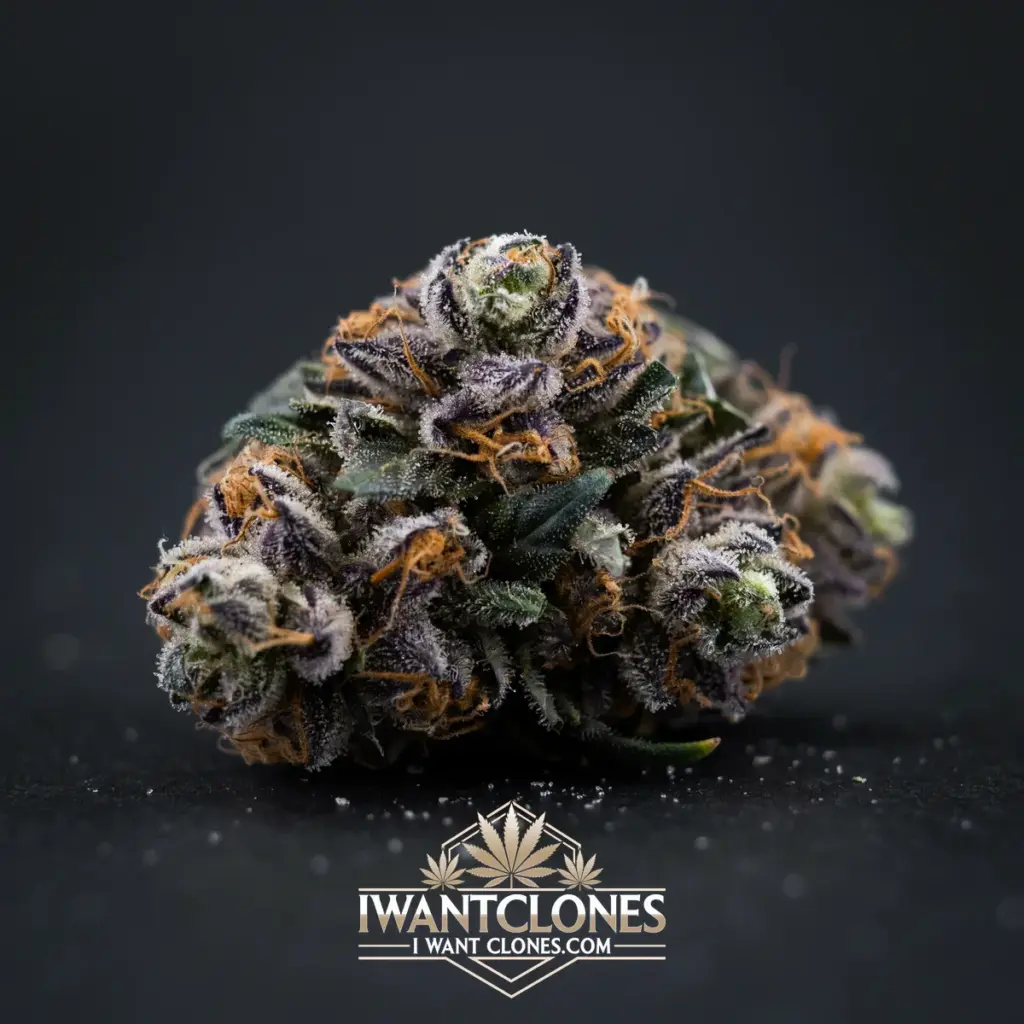
Few dessert cultivars of the last five years earned their hype like Georgia Pie, and few smell like it: fresh peach cobbler, uncanny enough to make people check the jar twice. This Georgia Pie S2 strain guide is written the way we sell the plant — precisely. You’ll get the real lineage, what an S2 selection actually means, and a full cultivation rundown from clone to cure. The Georgia Pie S2 clone is available here, freshly rooted, HLVD-screened, and shipping to all 50 states.

Key Takeaways

  • Georgia Pie is Seed Junky Genetics’ cross of Gelatti and Kush Mints, made famous through the Cookies brand; our cut is a selected S2 phenotype of that original.
  • An S2 is not the original breeder cut — it’s a stabilized selection from a selfed seed run, hunted specifically for the peach-forward terps and frost. We’re upfront about that.
  • Published potency runs from around 20% into the mid-20s, with a warm euphoric onset that settles into deep relaxation.
  • The terpene panel — caryophyllene, limonene, humulene — combines into a genuinely distinctive baked peach cobbler aroma that survives the cure.
  • It’s an easy grow: vigorous, manageable height (~80 cm untopped indoors), and fast for the quality at roughly 60 days of flower.
  • Two rules keep the run clean: hold late-flower humidity at 45–50% to protect the dense, frosty buds, and feed moderately — Kush Mints descendants burn on hot lines.

Georgia Pie S2 Genetics

Let’s be precise about what you’re buying, because the honest version is still a great story. The original Georgia Pie came from Anthony “JBeezy” Hart at Seed Junky Genetics, who crossed Gelatti — the Cookies Fam pairing of OG Biscotti and GSC — with his own Kush Mints, the Bubba Kush x Animal Mints workhorse that shows up all over modern breeding. Pushed through the Cookies brand, Georgia Pie became one of the most requested dessert strains in the country almost overnight.

Our version is an S2. That means a female Georgia Pie was reversed and pollinated with itself, the resulting seeds were hunted, and the standout phenotype was kept as a mother. An S2 is not the original breeder cut, and we won’t pretend otherwise — anyone who sells S1s or S2s as “the” cut is lying to you. What it is: a stabilized selection carrying the same parent genetics, chosen specifically for the peach-forward terps and the frost that made the name. Both sides of this pedigree run deep; if you want the Kush Mints half of the story, our Kush Mints strain and clone guide covers it in full.

Aroma, Flavor and Terpene Profile

The calling card is dessert, executed better than almost anything else in the category. Caryophyllene, limonene, and humulene lead the panel, and the combined effect is an uncanny peach cobbler aroma: baked stone fruit, apricot, doughy sweetness, and a soft cookie-gas undertone inherited from the Gelatti side.

The flavor follows through — sweet peach and cream on the inhale, a spicier, kushy exhale where the caryophyllene and the Kush Mints genetics show their hand. What sets it apart from the crowd of dessert strains is persistence: this profile survives the cure beautifully. Plenty of fruity cultivars smell incredible at chop and fade to generic sweetness in the jar; a well-cured Georgia Pie S2 still reads as peach cobbler months later.

Georgia Pie S2 Effects: What To Expect

Georgia Pie hits with an intense head-and-body combination that settles quickly into deep relaxation. The first stretch is warm and euphoric with a tingly body onset that spreads out over about twenty minutes, and the finish is calm without being a total shutdown — you’re relaxed, not pinned.

Most people run it in the evening: after a long day, before a big meal, or as the last bowl before bed. Published tests run from around 20% into the mid-20s, so treat it with respect, especially at the top of that range. It’s friendlier to moderate-tolerance smokers than the heaviest indicas, but it’s still an unwind button, not a work tool.

Georgia Pie S2 Stats at a Glance

Type Indica-dominant hybrid
Lineage S2 (selfed) selection of Georgia Pie — Gelatti x Kush Mints, originally by Seed Junky Genetics
THC range 20–26%
Flowering time 8–9 weeks (about 60 days)
Yield ~500 g/m² indoors; up to 500 g per plant outdoors or in greenhouse
Difficulty Easy

Growing Georgia Pie S2: What You Need To Know

What stands out about this selection is how easy it makes top-shelf results look. The plant grows vigorously with strong branching, stays at a manageable height indoors — roughly 80 cm untopped — and flowers fast for the quality: right around 60 days, call it 8–9 weeks to be safe. Indoors, expect in the neighborhood of 500 grams per square meter under strong light; outdoor and greenhouse plants can match that per plant with room to root.

The compact frame makes it a natural fit for tents and height-limited rooms, and the vigor means it recovers quickly from training. New to running cuts? Start with our week-by-week clone timeline to map the whole run before your Georgia Pie arrives — this cultivar hits every milestone on schedule, which makes it a satisfying plant to learn on.

The two management points that matter: humidity discipline late (covered under Common Problems) and a light hand on nutrients (covered next). Get those right and this is genuinely one of the easiest routes to dispensary-grade flower a home grower can take.

Training for Maximum Yield

With strong branching and a naturally moderate height, Georgia Pie S2 gives you options. For most growers the best return is a single topping in mid-veg followed by light LST to spread the resulting mains — that flattens the canopy and turns the plant’s even vigor into six or eight uniform colas instead of one dominant spear.

In a SOG-style room, you can skip topping entirely and run it untopped at high density; the compact 80 cm frame was practically designed for it. Whichever route you take, do one clean-up pass through the interior after the flowering stretch. The bud set is dense and the frost is heavy, and every larfy interior site you remove sends that energy up top where it belongs. Skip aggressive high-stress techniques in flower — the plant is fast enough at 60 days that there’s no recovery window to spare.

Feeding and Nutrition

Feed moderately. That’s the rule, and it comes straight from the pedigree: Kush Mints descendants burn easily on hot nutrient lines, and this selection is no exception. Run your base nutrition at two-thirds strength to start, read the leaf tips weekly, and increase only when the plant shows it wants more. A vigorous plant on a moderate feed will outperform a burned plant on a heavy one every single time.

Standard cal-mag supplementation applies, especially under LED where the dense bud set of weeks four through seven draws calcium hard. Transition to bloom ratios at the flip, keep the changes gradual, and taper in the final two weeks. The doughy sweetness in the cure is cleanest off a plant that finished on a fade. For a refresher on reading what your plant is asking for, our guide to nutrient deficiency signs is the reference to bookmark.

Common Problems

Problem one, and it’s really the only serious one: botrytis risk in late flower. This cut throws serious frost on dense nugs, and dense plus frosty equals moisture retention. Keep late-flower relative humidity in the 45–50% range, maintain real airflow through the canopy, and do that interior clean-up pass. Growers who ignore RH in weeks seven and eight are the only ones who have a bad time with this plant.

Problem two is nutrient burn from treating it like a heavy feeder — covered above, easily avoided. Beyond that, the list is short: no unusual pest magnetism, no structural weakness, no hermaphrodite reputation on this selection despite its S2 origin — that’s specifically what the pheno hunt screened against. It’s an easy plant that asks for climate control and restraint, in that order. If rot pressure is a recurring issue in your space, read our bud rot and powdery mildew prevention guide before the run, not after.

Why Buy Georgia Pie S2 as a Clone Instead of Seeds

Think about what the seed route actually looks like here. Original Seed Junky Georgia Pie packs are long gone from shelves. What you’ll find now is S1s and S2s of varying provenance — and every seed in those packs is its own lottery ticket. Selfed seeds still segregate: some phenos get the peach, some don’t, and you won’t know which you grew until week five of flower. The hunt is the whole cost of the S2 format.

Our clone is the hunt already done. A standout S2 phenotype — selected for the cobbler terps, the frost, and clean, stable growth — held as a mother and shipped to you as a rooted, HLVD-screened cut. Same genetics as the seed route, none of the variance. Order the Georgia Pie S2 clone here, and if dessert indicas are your lane, the rest of our indica clone collection is worth a browse while you’re at it.

Who Is Georgia Pie S2 For?

This clone fits beginners who want a genuinely easy plant that finishes like top-shelf, flavor-first smokers chasing one of the most distinctive terp profiles in the dessert category, evening users who want deep relaxation without full sedation, and commercial or caregiver grows that need dispensary-grade bag appeal on a fast 60-day cycle with dependable yield.

Look elsewhere if you want a daytime sativa experience, if you need maximum-ceiling potency numbers above all else, or if your grow space can’t hold humidity below 50% late in flower — that’s the one environmental demand this plant won’t negotiate on.

Harvesting, Drying, and Curing

The 60-day flowering window makes scheduling simple: start checking trichomes at day 52 and harvest at mostly cloudy with first ambers for the balanced euphoric-to-relaxed arc, or let amber build to around 15–20% for a heavier evening finish. The frost is thick enough that a loupe on the actual bud — not sugar leaf — is the only honest reading.

Dry at 60°F and 58–60% RH for 10 to 14 days. The peach-cobbler profile is the entire point of this cultivar, and it rewards a slow dry the way few strains do. Cure in glass with daily burps for the first two weeks; the doughy, baked-fruit character deepens dramatically over the first month. Handle gently at every step — the trichome coverage that makes this cut photogenic sheds with rough handling, and every head you knock off the flower ends up on your gloves instead of in the jar.

FAQ

What does S2 mean, and is this the real Georgia Pie?

An S2 comes from selfing: a female Georgia Pie was reversed and pollinated with itself, and the offspring were hunted for the best expression. It carries the same Gelatti x Kush Mints genetics as the original, but it is a selection, not the original breeder cut — and we’d rather tell you that plainly than sell a story. The pheno we kept was chosen because it delivers the peach terps and frost the name is famous for.

Does Georgia Pie S2 really smell like peach cobbler?

Genuinely, yes — baked stone fruit, apricot, and doughy sweetness with a soft cookie-gas undertone. It’s one of the most distinctive dessert profiles in modern cannabis, and unlike most fruity strains, it holds through the cure.

How long does Georgia Pie S2 take to flower?

Right around 60 days — 8 to 9 weeks to be safe. That’s fast for flower of this quality, which is a big part of why the strain works for commercial rotations as well as home tents.

Is Georgia Pie S2 hard to grow?

No — it’s one of the easier premium cuts available. Vigorous growth, manageable height, fast finish. The only firm requirements are keeping late-flower humidity at 45–50% to protect the dense buds and feeding moderately, because Kush Mints descendants punish heavy hands.

Share

Leave a Reply

Also recommended

Georgia Pie S2 Strain and Clone Grow Guide: Genetics, Effects and Cultivation

August 3, 2026

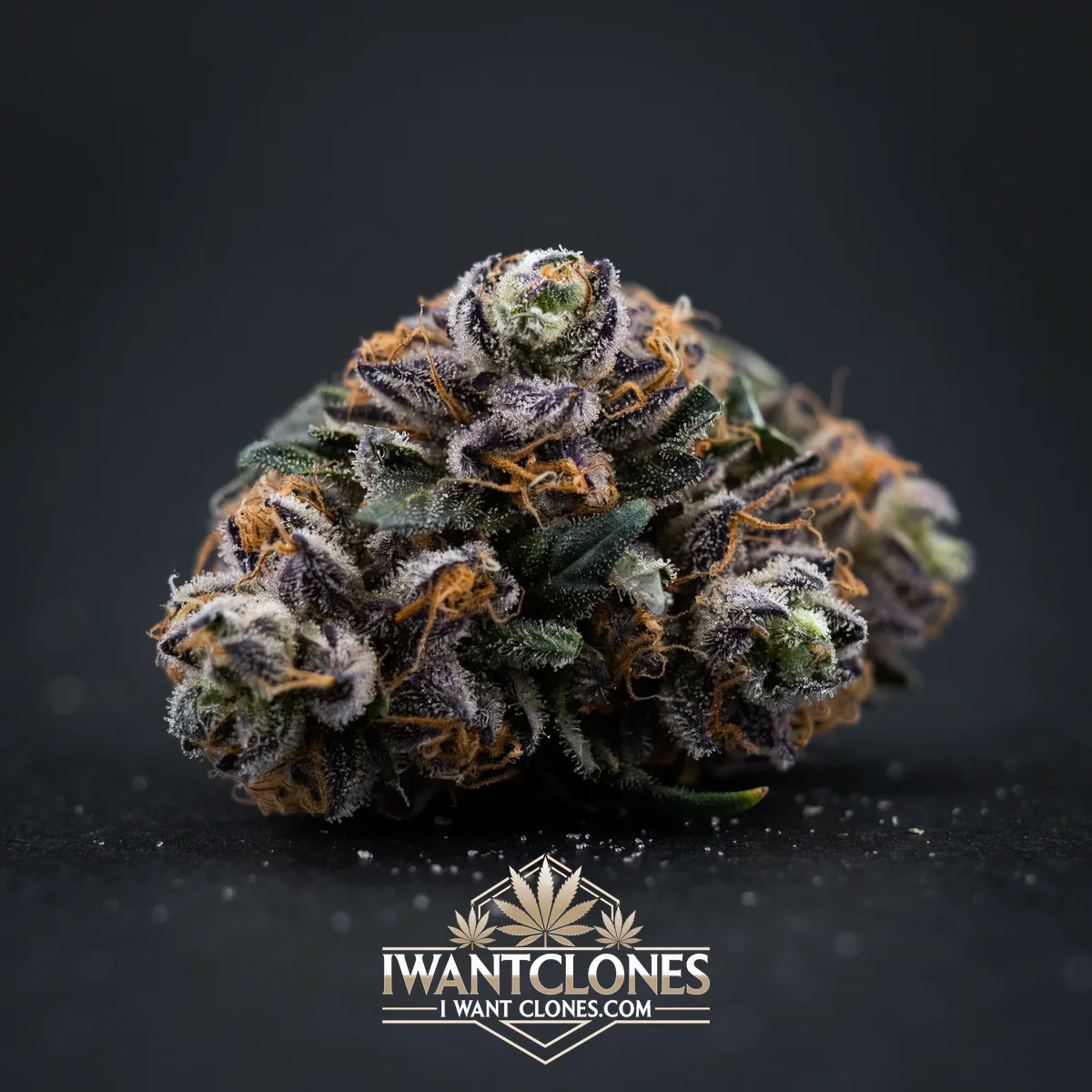
Few dessert cultivars of the last five years earned their hype like Georgia Pie, and few smell like it: fresh peach cobbler, uncanny enough to make people check the jar twice. This Georgia Pie S2 strain guide is written the way we sell the plant — precisely. You’ll get the real lineage, what an S2 selection actually means, and a full cultivation rundown from clone to cure. The Georgia Pie S2 clone is available here, freshly rooted, HLVD-screened, and shipping to all 50 states.

Key Takeaways

  • Georgia Pie is Seed Junky Genetics’ cross of Gelatti and Kush Mints, made famous through the Cookies brand; our cut is a selected S2 phenotype of that original.
  • An S2 is not the original breeder cut — it’s a stabilized selection from a selfed seed run, hunted specifically for the peach-forward terps and frost. We’re upfront about that.
  • Published potency runs from around 20% into the mid-20s, with a warm euphoric onset that settles into deep relaxation.
  • The terpene panel — caryophyllene, limonene, humulene — combines into a genuinely distinctive baked peach cobbler aroma that survives the cure.
  • It’s an easy grow: vigorous, manageable height (~80 cm untopped indoors), and fast for the quality at roughly 60 days of flower.
  • Two rules keep the run clean: hold late-flower humidity at 45–50% to protect the dense, frosty buds, and feed moderately — Kush Mints descendants burn on hot lines.

Georgia Pie S2 Genetics

Let’s be precise about what you’re buying, because the honest version is still a great story. The original Georgia Pie came from Anthony “JBeezy” Hart at Seed Junky Genetics, who crossed Gelatti — the Cookies Fam pairing of OG Biscotti and GSC — with his own Kush Mints, the Bubba Kush x Animal Mints workhorse that shows up all over modern breeding. Pushed through the Cookies brand, Georgia Pie became one of the most requested dessert strains in the country almost overnight.

Our version is an S2. That means a female Georgia Pie was reversed and pollinated with itself, the resulting seeds were hunted, and the standout phenotype was kept as a mother. An S2 is not the original breeder cut, and we won’t pretend otherwise — anyone who sells S1s or S2s as “the” cut is lying to you. What it is: a stabilized selection carrying the same parent genetics, chosen specifically for the peach-forward terps and the frost that made the name. Both sides of this pedigree run deep; if you want the Kush Mints half of the story, our Kush Mints strain and clone guide covers it in full.

Aroma, Flavor and Terpene Profile

The calling card is dessert, executed better than almost anything else in the category. Caryophyllene, limonene, and humulene lead the panel, and the combined effect is an uncanny peach cobbler aroma: baked stone fruit, apricot, doughy sweetness, and a soft cookie-gas undertone inherited from the Gelatti side.

The flavor follows through — sweet peach and cream on the inhale, a spicier, kushy exhale where the caryophyllene and the Kush Mints genetics show their hand. What sets it apart from the crowd of dessert strains is persistence: this profile survives the cure beautifully. Plenty of fruity cultivars smell incredible at chop and fade to generic sweetness in the jar; a well-cured Georgia Pie S2 still reads as peach cobbler months later.

Georgia Pie S2 Effects: What To Expect

Georgia Pie hits with an intense head-and-body combination that settles quickly into deep relaxation. The first stretch is warm and euphoric with a tingly body onset that spreads out over about twenty minutes, and the finish is calm without being a total shutdown — you’re relaxed, not pinned.

Most people run it in the evening: after a long day, before a big meal, or as the last bowl before bed. Published tests run from around 20% into the mid-20s, so treat it with respect, especially at the top of that range. It’s friendlier to moderate-tolerance smokers than the heaviest indicas, but it’s still an unwind button, not a work tool.

Georgia Pie S2 Stats at a Glance

Type Indica-dominant hybrid
Lineage S2 (selfed) selection of Georgia Pie — Gelatti x Kush Mints, originally by Seed Junky Genetics
THC range 20–26%
Flowering time 8–9 weeks (about 60 days)
Yield ~500 g/m² indoors; up to 500 g per plant outdoors or in greenhouse
Difficulty Easy

Growing Georgia Pie S2: What You Need To Know

What stands out about this selection is how easy it makes top-shelf results look. The plant grows vigorously with strong branching, stays at a manageable height indoors — roughly 80 cm untopped — and flowers fast for the quality: right around 60 days, call it 8–9 weeks to be safe. Indoors, expect in the neighborhood of 500 grams per square meter under strong light; outdoor and greenhouse plants can match that per plant with room to root.

The compact frame makes it a natural fit for tents and height-limited rooms, and the vigor means it recovers quickly from training. New to running cuts? Start with our week-by-week clone timeline to map the whole run before your Georgia Pie arrives — this cultivar hits every milestone on schedule, which makes it a satisfying plant to learn on.

The two management points that matter: humidity discipline late (covered under Common Problems) and a light hand on nutrients (covered next). Get those right and this is genuinely one of the easiest routes to dispensary-grade flower a home grower can take.

Training for Maximum Yield

With strong branching and a naturally moderate height, Georgia Pie S2 gives you options. For most growers the best return is a single topping in mid-veg followed by light LST to spread the resulting mains — that flattens the canopy and turns the plant’s even vigor into six or eight uniform colas instead of one dominant spear.

In a SOG-style room, you can skip topping entirely and run it untopped at high density; the compact 80 cm frame was practically designed for it. Whichever route you take, do one clean-up pass through the interior after the flowering stretch. The bud set is dense and the frost is heavy, and every larfy interior site you remove sends that energy up top where it belongs. Skip aggressive high-stress techniques in flower — the plant is fast enough at 60 days that there’s no recovery window to spare.

Feeding and Nutrition

Feed moderately. That’s the rule, and it comes straight from the pedigree: Kush Mints descendants burn easily on hot nutrient lines, and this selection is no exception. Run your base nutrition at two-thirds strength to start, read the leaf tips weekly, and increase only when the plant shows it wants more. A vigorous plant on a moderate feed will outperform a burned plant on a heavy one every single time.

Standard cal-mag supplementation applies, especially under LED where the dense bud set of weeks four through seven draws calcium hard. Transition to bloom ratios at the flip, keep the changes gradual, and taper in the final two weeks. The doughy sweetness in the cure is cleanest off a plant that finished on a fade. For a refresher on reading what your plant is asking for, our guide to nutrient deficiency signs is the reference to bookmark.

Common Problems

Problem one, and it’s really the only serious one: botrytis risk in late flower. This cut throws serious frost on dense nugs, and dense plus frosty equals moisture retention. Keep late-flower relative humidity in the 45–50% range, maintain real airflow through the canopy, and do that interior clean-up pass. Growers who ignore RH in weeks seven and eight are the only ones who have a bad time with this plant.

Problem two is nutrient burn from treating it like a heavy feeder — covered above, easily avoided. Beyond that, the list is short: no unusual pest magnetism, no structural weakness, no hermaphrodite reputation on this selection despite its S2 origin — that’s specifically what the pheno hunt screened against. It’s an easy plant that asks for climate control and restraint, in that order. If rot pressure is a recurring issue in your space, read our bud rot and powdery mildew prevention guide before the run, not after.

Why Buy Georgia Pie S2 as a Clone Instead of Seeds

Think about what the seed route actually looks like here. Original Seed Junky Georgia Pie packs are long gone from shelves. What you’ll find now is S1s and S2s of varying provenance — and every seed in those packs is its own lottery ticket. Selfed seeds still segregate: some phenos get the peach, some don’t, and you won’t know which you grew until week five of flower. The hunt is the whole cost of the S2 format.

Our clone is the hunt already done. A standout S2 phenotype — selected for the cobbler terps, the frost, and clean, stable growth — held as a mother and shipped to you as a rooted, HLVD-screened cut. Same genetics as the seed route, none of the variance. Order the Georgia Pie S2 clone here, and if dessert indicas are your lane, the rest of our indica clone collection is worth a browse while you’re at it.

Who Is Georgia Pie S2 For?

This clone fits beginners who want a genuinely easy plant that finishes like top-shelf, flavor-first smokers chasing one of the most distinctive terp profiles in the dessert category, evening users who want deep relaxation without full sedation, and commercial or caregiver grows that need dispensary-grade bag appeal on a fast 60-day cycle with dependable yield.

Look elsewhere if you want a daytime sativa experience, if you need maximum-ceiling potency numbers above all else, or if your grow space can’t hold humidity below 50% late in flower — that’s the one environmental demand this plant won’t negotiate on.

Harvesting, Drying, and Curing

The 60-day flowering window makes scheduling simple: start checking trichomes at day 52 and harvest at mostly cloudy with first ambers for the balanced euphoric-to-relaxed arc, or let amber build to around 15–20% for a heavier evening finish. The frost is thick enough that a loupe on the actual bud — not sugar leaf — is the only honest reading.

Dry at 60°F and 58–60% RH for 10 to 14 days. The peach-cobbler profile is the entire point of this cultivar, and it rewards a slow dry the way few strains do. Cure in glass with daily burps for the first two weeks; the doughy, baked-fruit character deepens dramatically over the first month. Handle gently at every step — the trichome coverage that makes this cut photogenic sheds with rough handling, and every head you knock off the flower ends up on your gloves instead of in the jar.

FAQ

What does S2 mean, and is this the real Georgia Pie?

An S2 comes from selfing: a female Georgia Pie was reversed and pollinated with itself, and the offspring were hunted for the best expression. It carries the same Gelatti x Kush Mints genetics as the original, but it is a selection, not the original breeder cut — and we’d rather tell you that plainly than sell a story. The pheno we kept was chosen because it delivers the peach terps and frost the name is famous for.

Does Georgia Pie S2 really smell like peach cobbler?

Genuinely, yes — baked stone fruit, apricot, and doughy sweetness with a soft cookie-gas undertone. It’s one of the most distinctive dessert profiles in modern cannabis, and unlike most fruity strains, it holds through the cure.

How long does Georgia Pie S2 take to flower?

Right around 60 days — 8 to 9 weeks to be safe. That’s fast for flower of this quality, which is a big part of why the strain works for commercial rotations as well as home tents.

Is Georgia Pie S2 hard to grow?

No — it’s one of the easier premium cuts available. Vigorous growth, manageable height, fast finish. The only firm requirements are keeping late-flower humidity at 45–50% to protect the dense buds and feeding moderately, because Kush Mints descendants punish heavy hands.

Written by James Bean

Recent Posts

Vanilla Frosting Strain and Clone Grow Guide: Genetics, Effects and Cultivation

Every grower who’s fought a Gelato cut knows the deal: gorgeous flower, miserable plant. The Vanilla Frosting strain is Humboldt […]

Read More
Georgia Pie S2 Strain and Clone Grow Guide: Genetics, Effects and Cultivation

Few dessert cultivars of the last five years earned their hype like Georgia Pie, and few smell like it: fresh […]

Read More
Garlic Breath Strain and Clone Grow Guide: Genetics, Effects and Cultivation

If your idea of fire smells like a delicatessen instead of a candy store, the Garlic Breath strain was bred […]

Read More

Subscribe Today!

Get 10% off when you sign up for our weekly updates!

Leave a Reply

About Us

At IWantClones.com, we are dedicated to providing top-quality cannabis clones to growers of all levels.

Subscribe Today!

Subscribe our newsletter to get our latest update & news
We currently accept credit/debit card payments, cash, check, money order, bitcoin (BTC), litecoin (LTE), bitcoin cash (BCH), and dogecoin (DOGE).
© 2026 seedsherenow.com All Rights Reserved
magnifiercross linkedin facebook pinterest youtube rss twitter instagram facebook-blank rss-blank linkedin-blank pinterest youtube twitter instagram