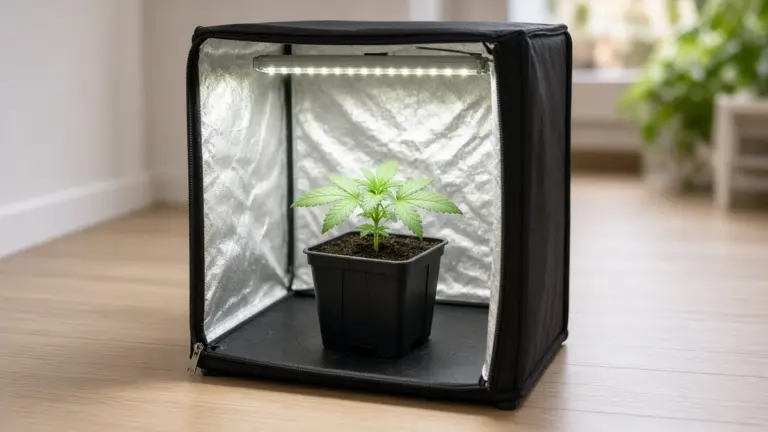


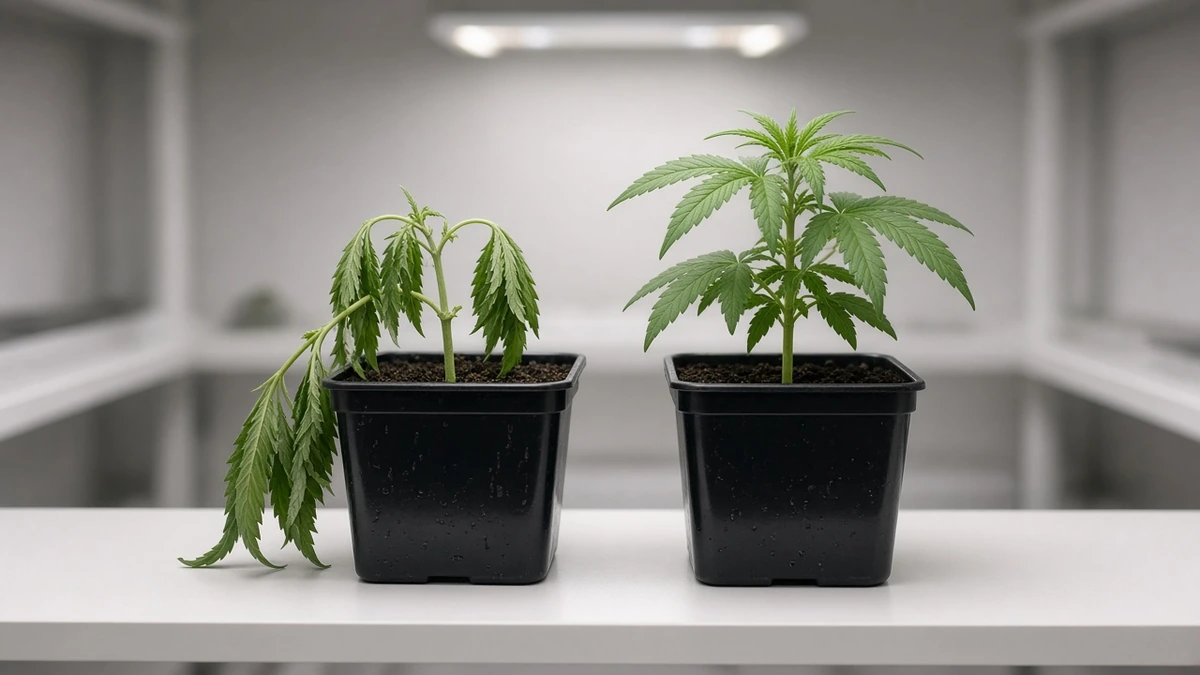
Clones drooping can worry any grower, new or experienced. A clone droops when its leaves lose water faster than its stem and roots can replace it, so the leaves lose the internal pressure that keeps them firm. The cause usually depends on when the droop starts: right after cutting, inside the dome, after shipping, after the dome comes off, after transplant, or a week or more later.
This guide from I Want Clones (IWC) helps you match the timing and the symptoms to the likely cause, fix the right thing first, and recognize the signs that a clone isn’t going to come back.
Is Some Drooping Normal?
Some drooping is common and often temporary. A fresh cutting has no roots, so it can’t take up enough water to keep up with its leaves. Clones that have just been shipped or transplanted are dealing with a new environment and disturbed roots. A little droop right after any of these changes is usually stress, not a death sentence. Give the clone a stable, gentle environment and watch how it trends.
Watch for these red flags, which point to a real problem:
- A soft, dark, or mushy stem base at the medium line
- Brown, slimy, or foul-smelling roots instead of white ones
- Droop that keeps getting worse each day instead of leveling off
- Leaves turning crisp, brown, or yellow quickly
For a full arrival routine, see what to do when your clones arrive.
Find the Cause by When the Drooping Started
Timing is the fastest clue. Start with the stage that matches your clone.
Cuttings Drooping Before Roots Form
Before roots form, a cutting depends on humid air to limit water loss through its leaves. Lower humidity speeds up that water loss, and cuttings wilt faster. Large leaves lose more water, which is why propagators often trim or reduce leaf area, though a cutting still needs some leaves to root. Too much light and heat add to the stress, and a cold, waterlogged medium slows rooting.
If your cuttings are drooping, raise the humidity around them, keep them out of strong light, and make sure the medium is moist but drains well. For the full rooting picture, see why clones fail to root.
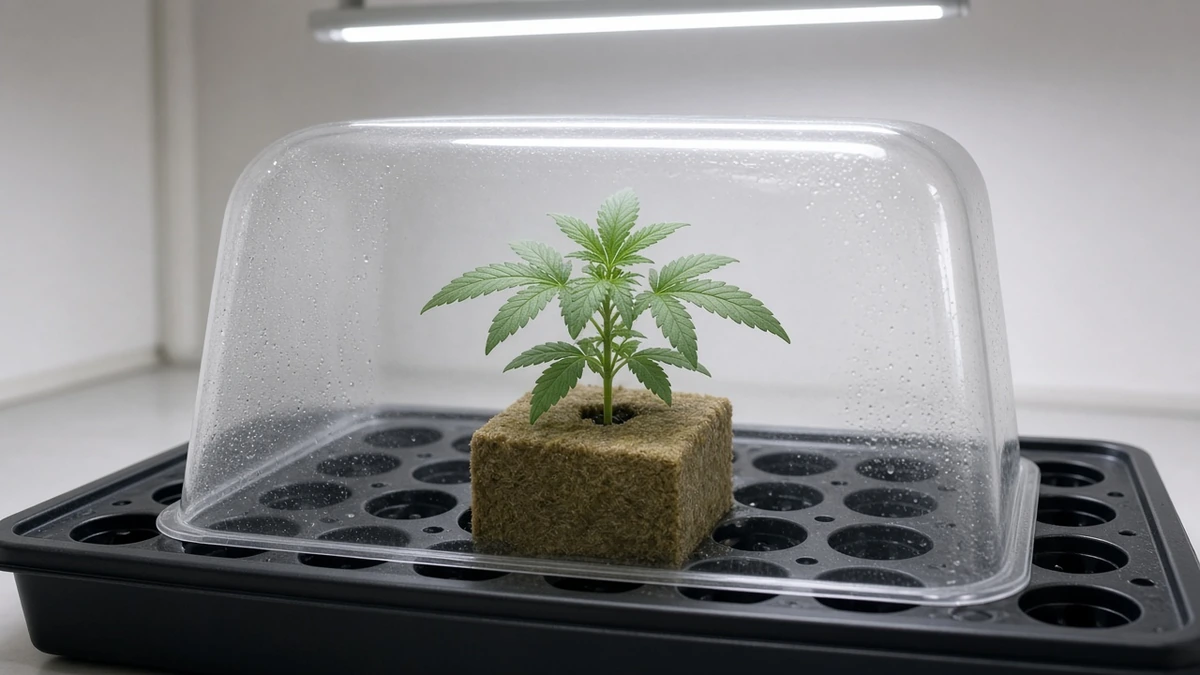
Clones Drooping in the Dome
A dome holds humidity in, but it can also trap heat, especially under a strong light. Cuttings inside a hot dome can wilt even when the medium is moist. The opposite problem is just as common: frequent heavy misting or a soaked plug leaves the medium waterlogged, which invites rot.
Check the temperature inside the dome, move the light farther away or lower its intensity if it feels warm, and vent the dome briefly to refresh the air. If the plug is soggy, hold off on water until it starts to dry back.
Clones Drooping After Shipping
Rooted clones often look tired after transit. They’ve spent time in a dark box, and they may have lost some moisture along the way. Unbox them promptly, check the medium, and give them gentle light and steady conditions while they settle in.
If a clone arrives damaged, dead, or clearly unhealthy, contact IWC within three days of delivery with clear photos of the plants and the packaging. The full process is on our Shipping and Policies page.
Clones Drooping After You Remove the Dome
When the dome comes off, the air around the leaves suddenly gets much drier, and the clone loses water faster than before. If it droops every time the dome comes off, the humidity is dropping too quickly. Lower it in steps instead: crack the vents, then leave the dome off for longer stretches until the clone holds up on its own. See hardening off your clones for a gradual routine.
Clones Drooping After Transplant
Clones drooping after transplant are usually dealing with root disturbance. Wilting, yellowing, and leaf curling are all common symptoms of transplant shock, and damaged roots take up less water. A new pot that stays soggy, or a root ball that dried out before planting, makes it worse. So does a sudden jump in light or a change in temperature.
Handle the root ball gently, water the new container thoroughly so it drains, and then let it dry back before the next watering. Keep the light gentle while it settles in. Our guide to transplanting clones covers clone transplant shock step by step.
Clones Drooping After a Week or More
When an established clone starts drooping, look at the watering pattern first, then at the roots and the heat. Watering on a fixed schedule instead of by need is a common cause, and overwatering is a leading reason young plants decline. Heat or intense light can also make well-watered plants wilt during the warmest part of the day. If the plant perks up when the lights go off or the room cools, heat is the likely cause. See light burn and heat stress for more.
Overwatered or Underwatered? How To Tell Which Is Causing the Droop
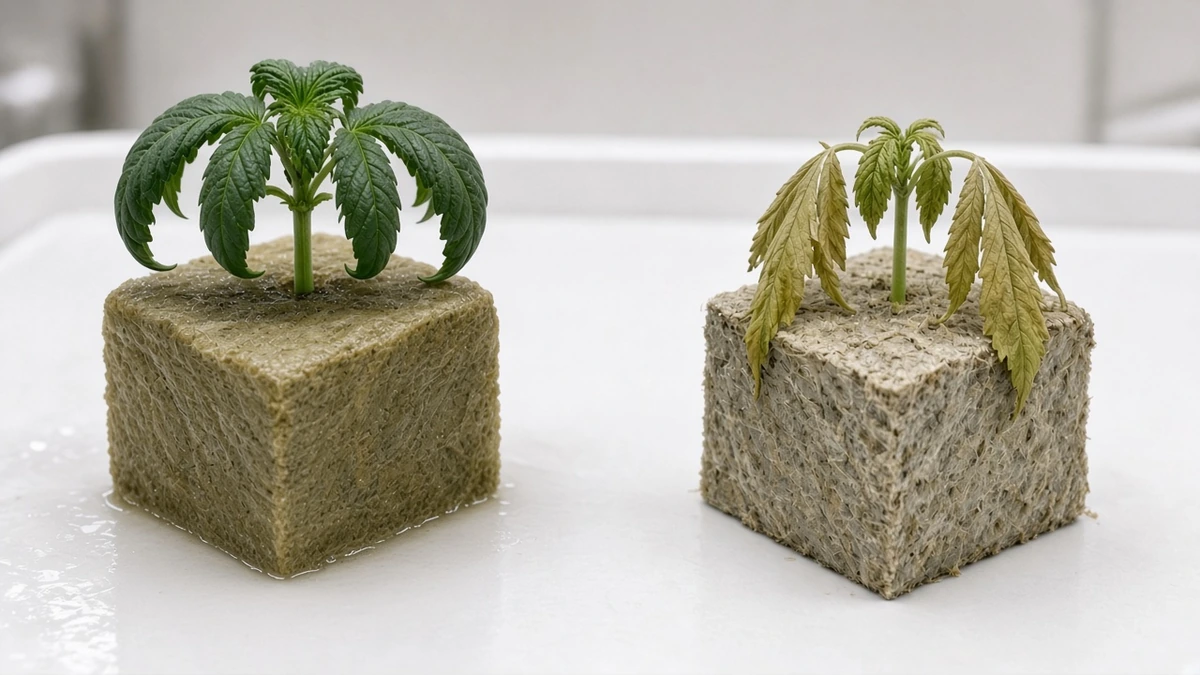
Overwatered clones and underwatered clones can both droop, so check a few details before you reach for the watering can.
| Symptom | Overwatered | Underwatered |
|---|---|---|
| Leaves | Droopy or wilted even though the medium is wet; may yellow | Limp, thin, and papery; may turn dry or brittle |
| Medium | Wet to the touch, container feels heavy | Dry well below the surface, container feels light |
| Roots | Few new roots; may turn brown or soft over time | Usually healthy in color, but dry |
| After watering | No improvement, or gets worse | Usually perks up after a thorough watering |
The simplest test is weight. Lift the container right after a thorough watering to learn how heavy it feels when wet, then lift it again over the next few days. With practice, you can tell when a clone needs water by weight alone. For the full method, see how to water clones.
Other Causes Worth Ruling Out
If timing and watering don’t explain the droop, check these next.
Heat and Light Stress
High temperatures speed up water loss through the leaves, and strong light does the same once a clone has roots. Young clones with small root systems can’t keep up. Raise the light or lower its intensity, improve airflow, and keep the room from running hot. Bleached or crispy tops point to light burn, which the heat stress guide linked above covers.
Cold Roots or a Cold Room
Cold roots take up water more slowly, so a plant can wilt even when the medium is moist. This catches growers off guard on floors, near windows, or in unheated rooms in winter. Get containers off cold floors and keep the root zone comfortably warm, not hot. Avoid watering with very cold water.
Root Rot or Damping Off
Root rot can cause wilting even when the medium is wet, because damaged roots can’t move water to the leaves. Healthy roots are white. Rotting roots are brown to black and soft, and the outer layer may slide off when you pull gently. Damping off shows up as a dark, water-soaked, or sunken lesion at the stem base, and the clone often collapses at that point. Both are favored by medium that stays wet too long. The watering guide’s FAQ on damping off covers prevention in more detail.
Pests
If you see stippling, webbing, or insects, drooping isn’t the main problem. Use our guide to spider mites, thrips, and fungus gnats to identify what you’re dealing with, and quarantine new clones before they join your main grow.
How To Help a Drooping Clone Recover
Most fixes are about making conditions gentler and more stable, not doing more. Work through these steps in order.
- Stop and diagnose. Note when the droop started, check the medium, and look at the stem base and, if you can, the roots.
- Lower the light intensity. Raise the light or dim it so the clone loses less water while it recovers.
- Raise humidity around the plant. A dome or a more humid room slows water loss. Vent it so heat doesn’t build up.
- Fix the watering. If the medium is soggy, let it dry back. If it’s dry, water thoroughly and let it drain. Don’t water a wet clone just because it droops.
- Don’t feed it. Fertilizer can add stress by pushing growth that weak roots can’t support. Wait until the clone is growing again.
- Don’t transplant it again. Another move disturbs the roots it’s trying to rebuild.
- Give it time and track it daily. Take a photo at the same time each day. A clone that holds steady or improves is on the right path.
When a Drooping Clone Won’t Come Back
Sometimes clones dying can’t be turned around. These signs suggest the clone won’t recover:
- The stem base is mushy, dark, or pinched
- Most roots are brown and soft, with no new white growth
- The droop keeps getting worse after you’ve corrected the watering, light, and humidity
- Leaves are turning crisp or yellow and dropping fast
If you suspect root rot or another disease, move the clone away from your other plants, and don’t reuse its medium. Clean any tools and containers before you use them again. Root rot is very hard to reverse once it’s established, so discarding a badly affected clone is often the safest choice for the rest of your garden.
If the clone arrived that way, follow the claim step on our Shipping and Policies page: contact IWC within three days of delivery with clear photos of the plants and packaging. After that, results depend on the care and environment the clone receives.
If you’re replacing a cut, check the I Want Clones shop for listings from IWC’s approved vendors.
Frequently Asked Questions
How Do You Know if Clones Are Dying?
A dying clone gets worse instead of leveling off. Look for a soft, dark stem base, brown and mushy roots, and leaves that turn crisp or yellow quickly even after you’ve fixed the watering, light, and humidity. Normal stress droop usually stabilizes once conditions are gentle and steady. For help telling shock from decline in newly arrived clones, see what to do when your clones arrive.
Do You Water Clones Every Day?
Not by default. Droop can come from too much water or too little, so check before you water. Lift the container: a heavy one is still wet, and a light one is drying out. Feel the medium below the surface, too. If it’s wet and the clone is drooping, more water can make it worse. If it’s dry and the leaves are limp, water thoroughly. Unrooted cuttings in plugs shouldn’t dry out completely, while rooted clones in pots do better when the medium dries back between waterings. Our guide on how to water clones covers the method.
How Do You Get Clones To Root Fast?
Keep conditions steady. Humid air limits water loss, gentle light avoids stress, a warm root zone encourages rooting, and a moist but well-drained medium helps prevent rot. Avoid overwatering, which is one of the most common reasons cuttings fail. See why clones fail to root for troubleshooting.
Find the Cause Before You Fix It
When your clones are drooping, start with timing. Droop right after cutting, shipping, dome removal, or transplant usually points to water loss the roots can’t keep up with yet. Droop that shows up later usually points to watering, roots, or heat. Check the medium, the stem base, and the roots before you change anything. Then make slow, gentle adjustments: softer light, steady humidity, and watering based on need instead of the calendar. Most stressed clones do best with stable conditions and a little patience.