

The Tear Gas strain is a diesel-and-skunk hybrid from Bean Fiendz, a cross of Sherb Cake and Skunkpiss that finishes with a creamy sherbet softness under the fuel. The effects tend to open with a euphoric, head-clearing lift before settling into a heavier, relaxing body feel. For growers who like a loud gas profile but still want some dessert cream in the jar, that mix is a large part of the appeal.
The name can cause confusion, though, because it is used for more than one plant. A Stardawg and Chemdawg cross appears in some strain databases under the same title, and other menus have used still other pairings. Confirming that you have this Bean Fiendz cut, and understanding its aroma, effects, and intake needs, will get you closer to a clean harvest. I Want Clones (IWC) lists rooted cuts from trusted vendors. To look for clones, visit the I Want Clones shop.
Tear Gas Strain Genetics and Lineage
The Tear Gas strain is a Bean Fiendz hybrid of Sherb Cake and Skunkpiss, and those two parent names, not the title on a menu, are the surest way to tell you have the right plant. A listing can put Sherb Cake first or Skunkpiss first; the order does not change the cultivar. Some menus also list this cross as Tear Gas #9, which is another name for the same Bean Fiendz cultivar rather than a second strain.
Each parent leaves a fairly clear mark on the finished flower. The diesel-and-skunk bite tracks with Skunkpiss, while the creamy sherbet softness tracks with Sherb Cake. Together they create a fuel-forward hybrid that is not purely harsh, which is what sets this cut apart from many gas cultivars that stay entirely on the fuel side. That is also why the parent names matter so much at the point of purchase. If a page never mentions Sherb Cake, Skunkpiss, or Bean Fiendz, it may be describing a different plant that happens to share the name.
The most common mix-up is the Tear Gas listed in some databases as a cross of Stardawg and Chemdawg. Other menus have used still other pairings, including a Malibu Mirage and Duct Tape version. Those are different cultivars, so their aroma, effects, and growth tell you little about this Sherb Cake and Skunkpiss cut. A rooted clone of the Bean Fiendz hybrid sidesteps a lot of that confusion, because the plant already matches a selected mother instead of leaving you to sort look-alikes out of a seed pack or a vaguely labeled jar.
The Tear Gas strain is best described simply as a hybrid and judged by its flower and how it feels. Our overview of indica, sativa, and hybrid categories walks through how those labels are used, and where they fall short.
Aroma and Flavor
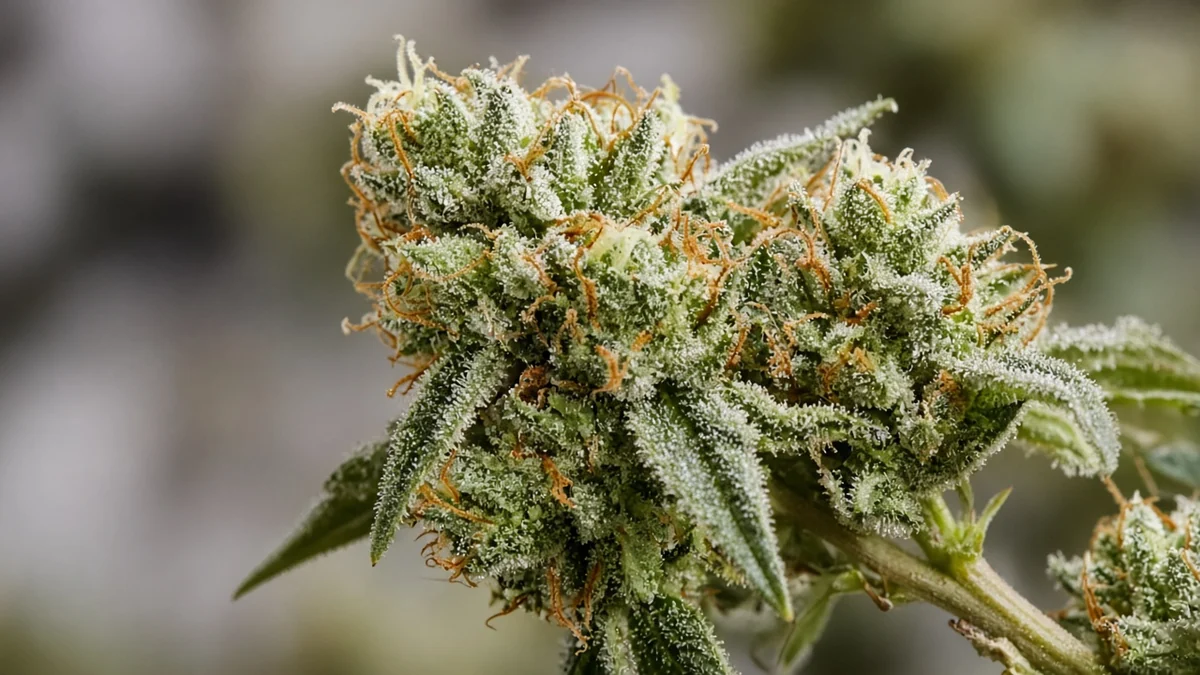
Tear Gas starts with diesel or fuel and a clear skunk note, then softens into a creamy sherbet finish. That creaminess is what keeps the profile from being all bite, and it is the part of the flavor that most clearly tracks with the Sherb Cake side of the cross. A quieter earthy kush, vanilla, or spice note can show up in some batches, but diesel, skunk, and sherbet still lead the flavor. The taste usually follows the same path: fuel and skunk arrive first on the inhale, a creamy sweetness fills out the middle, and an earthy or spicy close lingers on the finish.
This is a loud flower once it is in a closed room. The diesel-and-skunk scent becomes noticeable as buds begin to form, and it can fill a small or shared space faster than a milder dessert cultivar would. Because that scent can travel, a carbon filter and a tight exhaust path should already be in the room before the photoperiod changes, not added after the smell has started to move down the hall.
Tear Gas sits comfortably alongside other gas and diesel cannabis strains, though the creamy sherbet finish is what sets this Bean Fiendz cut apart from many purely fuel-forward cultivars in that category. Growers who want sharp gas with a little softness behind it will recognize the appeal; growers who want a jar that stays in candy or fruit territory will probably want a different cut.
Tear Gas Strain Effects
Tear Gas typically opens with a euphoric, head-clearing lift, then settles into a heavy, relaxing body effect. The early part of the experience tends to feel brighter and more alert, while the later stage brings a weightier physical unwind. That arc suits a session that can start social and finish slower, rather than a racy, all-day lift or a purely flattening body high.
Responses still vary from person to person and from batch to batch, and none of this is medical advice. How much is used, personal tolerance, and how the batch was grown and finished all change the result, so a first session with this cut is better kept small until you know how that batch feels. A heavier finish does not mean a larger first dose is a good idea. It is easier to add a little more than to sit through a session that came on stronger than expected.
Growing Tear Gas From a Clone
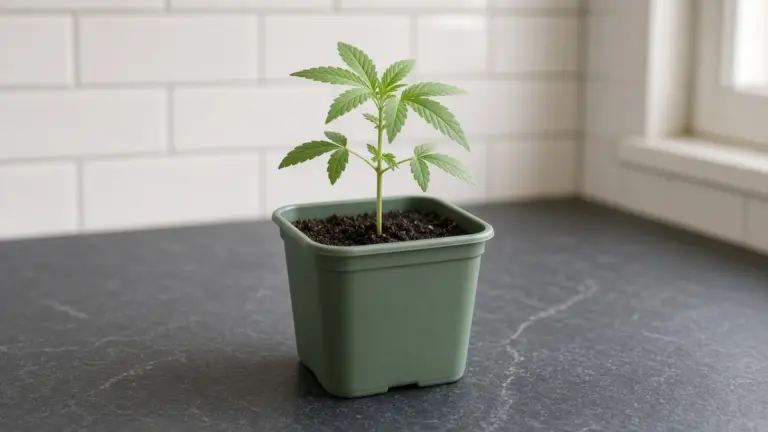
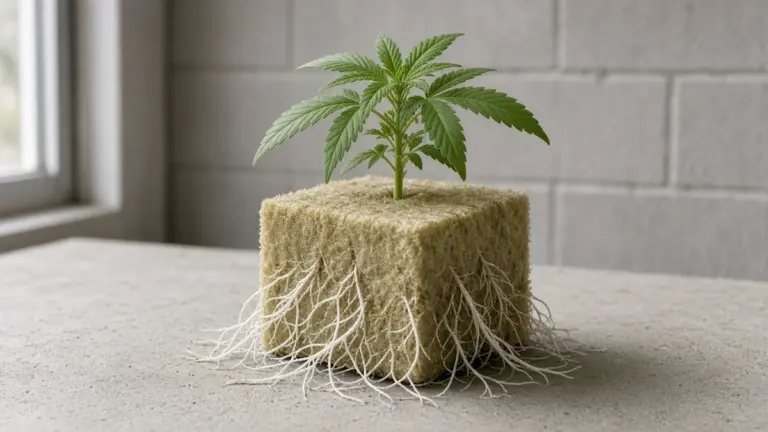
Tear Gas usually arrives as a small rooted plant in a cube or plug. Let it recover from shipping before you start shaping it, and use those first weeks to watch how this cut wants to grow.
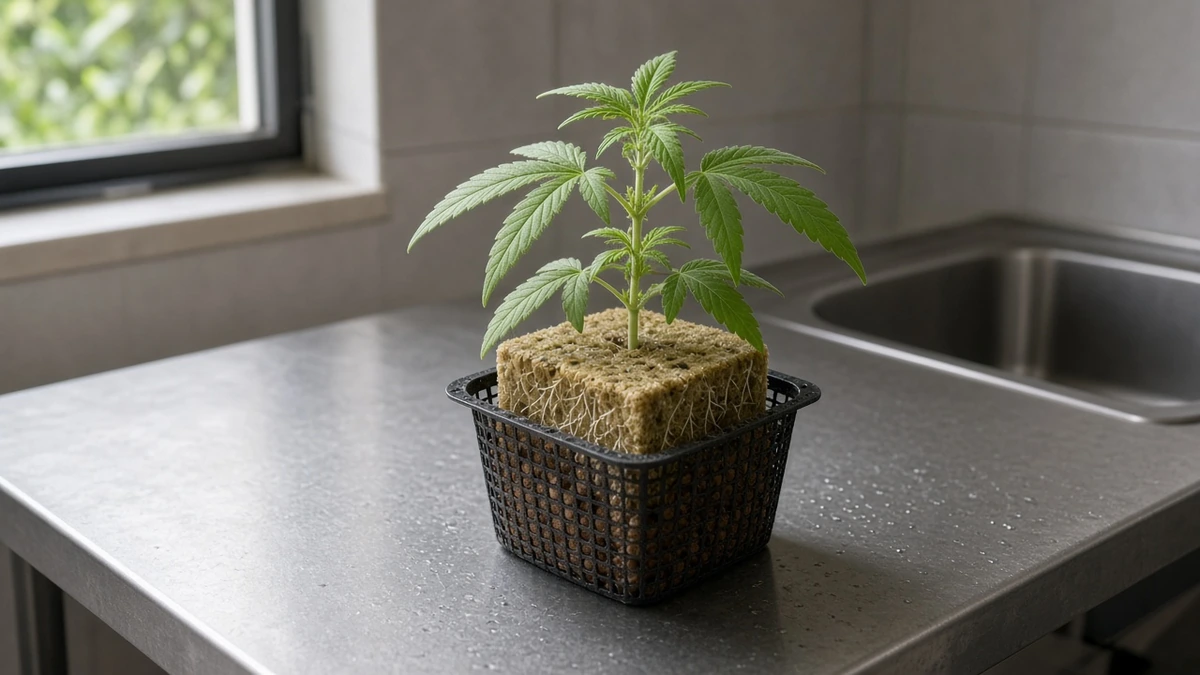
A new room and a new light schedule are already a lot to ask of a young plant, so skip pruning and a jump to a much larger pot until it has settled in. Hold the new arrival in a separate space for two to four weeks, following the intake steps in our quarantine guide. Use that window to look for pests or disease before anything spreads to other plants in the room. If a clone arrives damaged, dead, or clearly unhealthy, contact IWC within three days of delivery and include clear photos of the plants and the packaging (claims policy).
When white roots start to show through the plug and the crown has clearly put on new growth, move the cut into its first transplant. Pick a pot only a little roomier than the cube, keep the plug flush with the surface of the new mix, and water only until the plug and the surrounding medium meet. A container that stays soaked through that first week is a frequent reason a transplant stalls, so wait until the pot lightens before watering again. Keep the light a little milder for the first few days, stay on a steady vegetative schedule, and wait for a new set of leaves before you raise intensity or start training. A little droop right after the move is common and often eases once the roots catch up. If the plant stays wilted or yellow, check the root zone and the light before you reach for a stronger feed.
Once the plant is clearly putting on new growth, it will start to show whether it wants a single lead or a wider frame. Node spacing, the speed of the side branches, and whether one top is pulling ahead are better guides to space and training than a catalog height. Leave the cut untopped until it has left its arrival plug and is growing with real vigor after that first move. From there, a topping or two and some low-stress tie-downs will usually even out the canopy. In a room set up for a trellis net, this is also a good time to put it in place. Leave space between containers so air can move under the canopy in flower. That airflow matters even more on this cut once the diesel-and-skunk scent builds, because the room will need a clean exhaust path as well as circulation.
Flowering Time
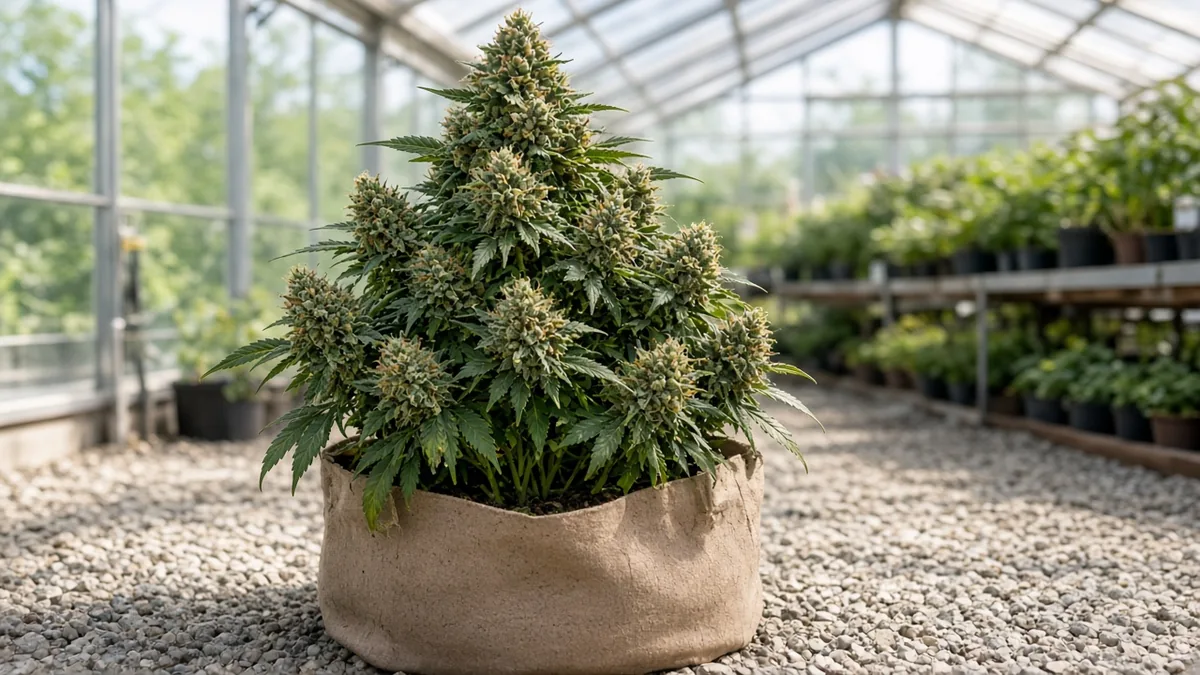
The Tear Gas strain usually finishes in 65 to 68 days of flower, or about nine to ten weeks. Use that window to plan the flip, then let trichome color, the fill of the colas, and the strength of the diesel-skunk aroma decide the harvest date. A plant that still looks and smells unfinished at the early end of the window should get more time; one that is clearly ripe should not be held just to reach a later date. If colas begin to lean late in bloom, have support ready so the flowers can finish without folding.
The flavor is easy to dull after harvest. Drying too fast can strip the creaminess and leave the fuel harsh, and jarring too soon can flatten the sherbet. Give the dry and the cure enough time for both sides of the flavor to hold.
Is the Tear Gas Strain Worth Growing?
Tear Gas suits anyone who wants a loud diesel-and-skunk jar with a creamy sherbet finish, and a hybrid effect that starts bright and finishes heavier in the body. It is also a good fit for growers who prefer a selected Bean Fiendz cut over a pack of seeds. Growers chasing a dessert-forward fruit profile, or a lighter, more talkative high, will probably want a different plant, because this cut stays in gas-and-skunk territory once it is in flower. The grow itself is straightforward if intake is careful, the room has enough air and headroom, and the cure is not rushed.
Clone to Home sells this Bean Fiendz cut on I Want Clones, and it appears in the Clone to Home collection. Check the Tear Gas product listing to see whether the cut is currently available. Our Grape Gas strain guide covers another gas-forward hybrid in the same clone-led format.
Frequently Asked Questions
Is Tear Gas indica or sativa?
The Tear Gas strain should be treated as a hybrid. Its effects combine a euphoric lift with heavy body relaxation. Our overview of indica, sativa, and hybrid categories walks through how those labels are used, and where they fall short.
What are Tear Gas strain effects?
Tear Gas tends to open with a euphoric, head-clearing lift, then settle into a heavy, relaxing body effect. How it feels can differ from person to person, and none of this is a medical recommendation.
What is Tear Gas’s lineage?
Bean Fiendz bred the Tear Gas strain from Sherb Cake and Skunkpiss. A Stardawg and Chemdawg cross also appears under this name; that plant is not this cut.
Is Tear Gas the same as Tear Gas #9?
Yes. Tear Gas #9 is another listing name for the same Bean Fiendz cross of Sherb Cake and Skunkpiss, and on I Want Clones the listing name is Tear Gas.
What does Tear Gas taste like?
Expect diesel or fuel and skunk up front, with a creamy sherbet softness underneath, and sometimes a little earthy kush, vanilla, or spice as well.
Where can I buy a Tear Gas clone?
The Tear Gas product listing is the place to check for this cut on I Want Clones. Catalog cuts come from trusted vendors, and I Want Clones lists clones rather than seeds.