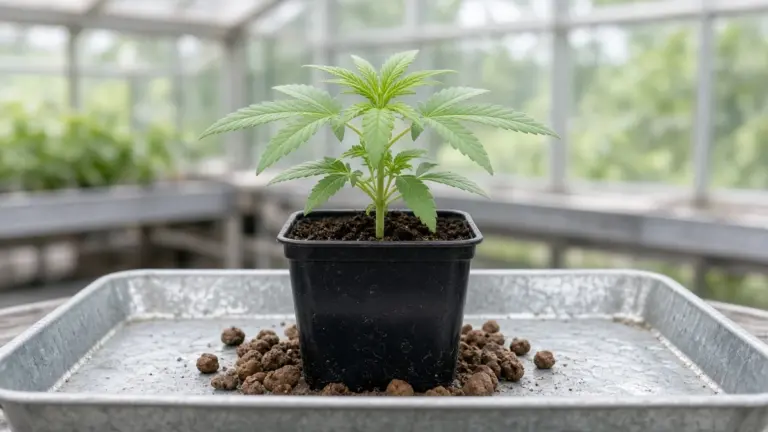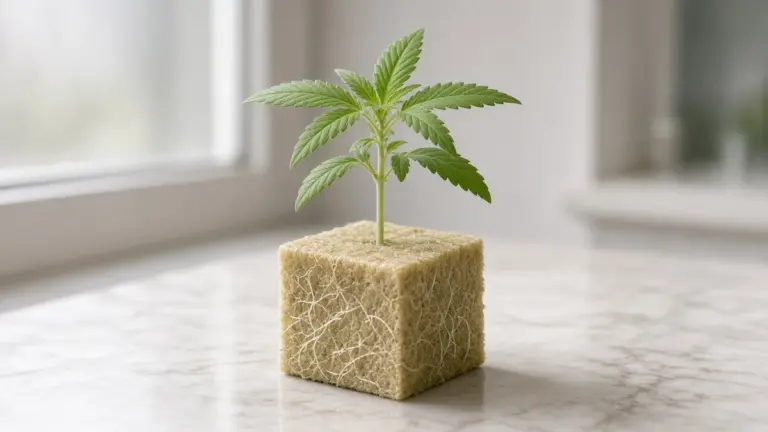


Grape Gas strain pairs ripe grape and berry with a diesel, fuel-like kick and reads as a balanced hybrid. This guide is limited to the cut from Grape Pie and Jet Fuel Gelato, a plant that also circulates as Grape Gasoline, and to growing that cut from a rooted clone. The sections below cover the lineage, the jar, how the cultivar tends to feel, and the first weeks after the box arrives. Rooted cuts on the I Want Clones (IWC) marketplace come from trusted, approved vendors who supply the shop. To look for clones, visit the I Want Clones shop.
Which Grape Gas Is This?
The same two words show up on more than one cultivar, so the listing has to name the parents. This post is about the cross of Grape Pie with Jet Fuel Gelato, also sold as Grape Gasoline. Compound Genetics released the cross as Grape Gasoline. That is the plant Clone to Home lists on I Want Clones.
A second plant, sometimes sold as Grape Gas on other menus, comes from a different stack: OG Chem and Granddaddy Purple, then The Truth. That stack is not the cut in this guide. Aroma notes, potency talk, and garden habits written about that plant should not be read onto this one. If a page never mentions Grape Pie and Jet Fuel Gelato, it may be describing the other cultivar.
Starting from a rooted clone is useful here for a simple reason: the plant already matches a selected mother. The grower is not opening a seed pack and hoping the name on the label is the same cross.
Grape Gas Strain Genetics and Lineage
The parents are Grape Pie and Jet Fuel Gelato. Grape and berry track with Grape Pie. The diesel, fuel-like edge tracks with Jet Fuel Gelato. The result is a dessert-and-gas hybrid, not a straight grape-candy profile and not a straight fuel cut.
Jet Fuel Gelato also sits in the wider Gelato family. For that family, without retelling it in this post, read the Gelato strain family guide. A clone holds the grape-and-fuel mix to the mother. That way the grower is not starting a new search for a keeper.
In the garden, this cut behaves like a balanced hybrid: enough frame to fill a table, a dense enough finish that even canopies pay off, and a nose that stays grape and gas when the cut is true. The indica vs sativa vs hybrid guide covers how hybrid genetics sit next to those labels.
Aroma and Flavor
Open a jar of this cut and the first impression is usually ripe grape and berry, with diesel or fuel close behind and a pungent edge underneath. The taste follows that path: sweet fruit on the inhale, gas through the middle, and a fuel note that lingers. Growers who want grape and gas in the same plant will see why the name caught on.
Readers looking for more fuel-leaning cultivars can start with the gas and diesel cannabis strains list. This guide stays with the Grape Gas cut; that list is further reading, not a second review of this plant.
In a sealed flower room, grape-and-diesel can hang in the air. A carbon filter and a sealed exhaust line matter on a loud, pungent hybrid. The clone does not make the room quieter. It only makes the finished profile easier to predict once the plant flowers.
Grape Gas Strain Effects
Grape Gas tends to feel relaxed, euphoric, and happy, with an uplifted finish that often shows up in the afternoon or early evening. The body load usually arrives without shutting the session down. Treat that as a typical read of the cut. This is not medical advice. It also is not a forecast of how every plant will land.
New consumers often begin with a modest serving until they know how a batch sits. Dose, tolerance, and the way the flower was grown and cured still change the result. A clone holds the genetics in place. It does not decide how any one person will respond.
Growing the Grape Gas Strain From a Clone
A rooted Grape Gas clone skips germination and a hunt through seedlings. The cut already matches the mother, so the grape-and-fuel profile is the one that mother produced. Because one search name is used on two different crosses, a clone is the direct way to start with the selected plant rather than a label that could mean either lineage.
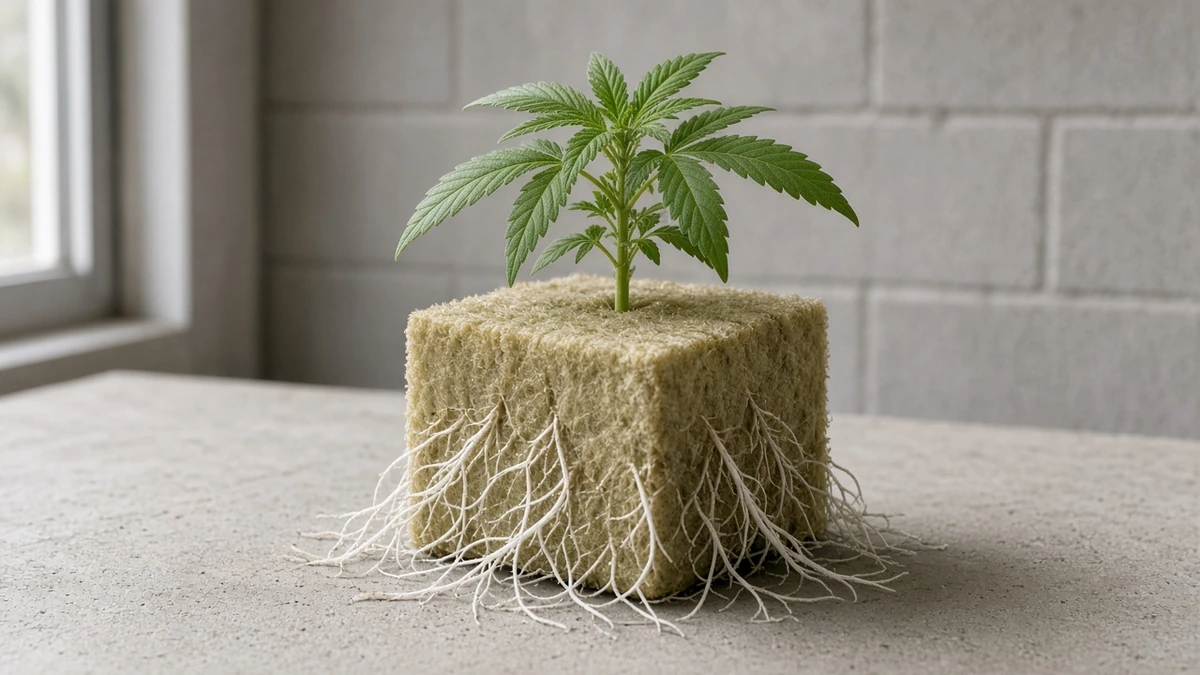
For what a rooted format looks like when the box is opened, see the rooted clones guide. Intake comes first, before any hard prune or a move into a larger container. Follow the steps in the clone arrival checklist. After that, hold the new plant away from the rest of the garden. IWC recommends a two-to-four-week isolation period before a new cut joins other plants; the quarantine guide walks through that stretch. The point is isolation, not a race into flower.
When the plant has settled and white roots are visible at the sides of the plug, shift it into its first container if the usual readiness signs are present. Days on a calendar are only a rough cue. Signs, and the extra caution that mailed plants need, are covered in when to transplant clones. Choose a first container only a little wider than the root mass, keep the light even, and wait on a full-strength feed until new growth is obvious. Seat the plug level with the fresh medium, not buried and not perched above the mix. Water just enough to join the cube to the pot, then wait for the container to lighten before watering again. A soaked first week is a frequent way to stall a new transplant.
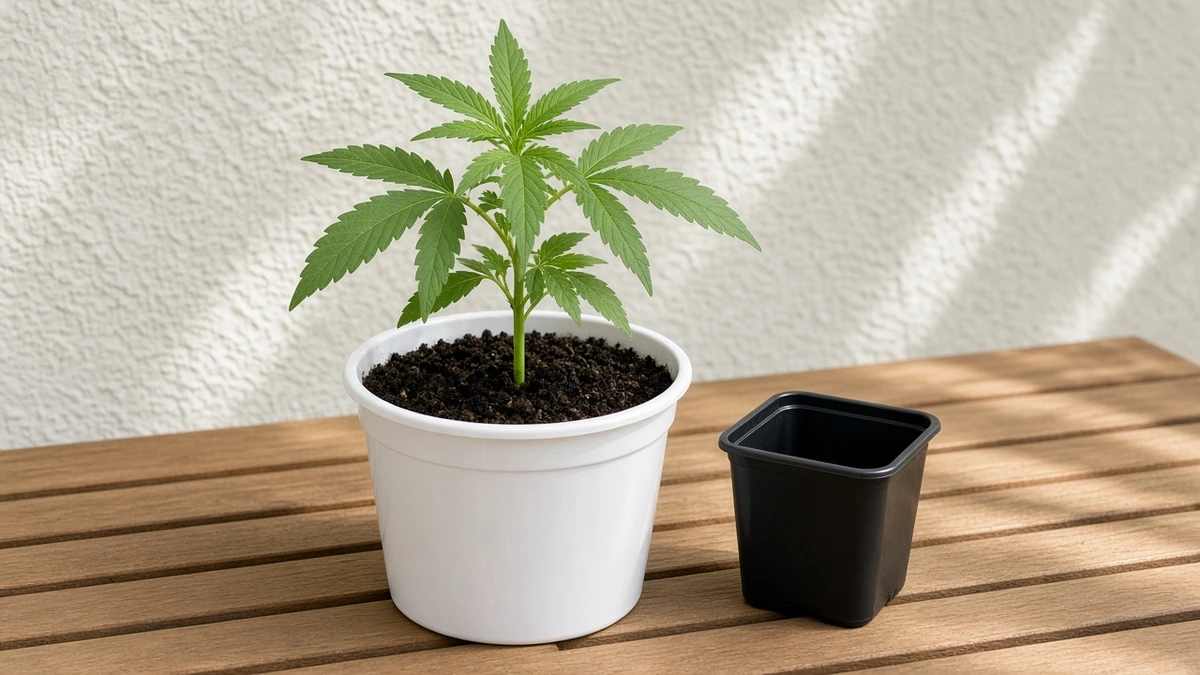
Give the plant a few days of moderate light after the move so it can recover before intensity rises. Do not flip a newly potted cut into flower. Let it put on a set of new leaves in veg, show how it wants to stretch, and fill the pot with roots. That pause also makes later training easier, because the plant is growing on its own terms instead of recovering from shipping and a photoperiod change at the same time.
In veg, watch how the hybrid wants to grow before locking a training map. Some cuts stay short; others ask for more lateral room. A level set of tops is more useful later than one tall spear. Leave gaps between pots and keep air moving under the leaves so moisture does not sit in the canopy. Rotate a plant if one side reaches for the light, and tuck or tie laterals outward as they lengthen. A wide, even table is easier to finish than a single cola that shades itself.
Label the pot with the full parentage, not only the name Grape Gas, so a later helper does not confuse this cut with the other lineage. In veg the plant is usually quieter than it will be in flower, but a carbon filter still belongs on the exhaust before the flip. Keep notes on stretch and internodal spacing during this window; those notes are more useful than a copied height target when it is time to set the trellis. If two plants of uncertain source ever share a room under this name, isolate them until the nose and structure make the cut obvious, or retire the unlabeled one.
Let the plant, not a copied week count, decide when flower is done. Watch trichome color and how the colas fill. Leave space between tops so light and air can reach the interior. Flowering time, height, and yield figures for this cultivar are omitted here. Those numbers need a university extension source or a documented vendor figure, and none of those are on file for this cut.
After the flip, most of the work is support and waiting. Tie or net fat colas before they start to lean, hold the canopy level, and let the grape-and-diesel resin develop. Check a few trichomes with a loupe and take the plant down for the finish that fits the grow. Give the dry and the cure enough time that fruit and fuel both survive; a rushed dry flattens both. A tight jar too early will mute the grape note and leave the fuel smelling harsh.
Training, Feeding and Common Problems
Give each plant enough room under the light that laterals do not weave into a neighbor. Two plants that look tidy in small pots will fill space quickly once the roots take hold, and a crowded bench is harder to inspect. Keep the labels facing the aisle. On a cut whose name is also used for another cross, that small habit saves confusion weeks later.
Once a Grape Gas plant is established, a grower can top it, apply low-stress ties, or run a scrog net, depending on the room. Dense flower and a pungent nose are easier to manage on a level canopy with steady airflow than they are after a hard prune in the first week. Hold off on a serious cut until the plant has anchored in its first container and is pushing consistent new tops. A top cut on a plant that has not left its arrival plug usually costs time. After new growth is consistent, one or two well-chosen tops, plus a few ties, usually opens the plant across a wide table. A screen can go on at the same stage if the room is already set up for it. Do not install a net while the plant is still recovering from the first up-pot; wait until the tops are reaching for the bar on their own.
Training is not a reason to raise feed strength. Ties and a top already ask the plant to redirect energy. Water to the usual dry-back after a training day, and watch the new shoots for a few days before changing the bottle or the light. If a bent stem kinks, leave a support in place rather than trying to force it back in one session.
Container sizes, nutrient charts, and room setpoints are covered in the existing up-pot, nutrition, and transplant posts on I Want Clones. This cut does not need a private bottle list. It needs a stable room, and it helps to adjust only one variable at a time. If the plant stalls after a move (droop, a heavy pot, or a sudden jump in light), look at the roots and the room before reaching for a new nutrient. Correct the environment first. If leaves claw or tip-burn after the first feeds, drop the strength and check runoff and root health. Lower leaves that yellow after a heavy watering often point to a wet root zone, not a cue to feed more.
In flower, watch the interior as the colas swell. Take off only the sites that will stay in shadow, and keep enough leaf on the plant to feed it. A light cleanup once flower is underway is usually cleaner than stripping a plant that has only just switched rooms.
If a clone arrives damaged, dead, or clearly unhealthy, contact IWC within three days of delivery and include clear photos of the plants and the packaging (claims policy).

Why a Rooted Grape Gas Cut Belongs on I Want Clones
Vendors already approved for the site sell through the I Want Clones marketplace. The site itself is not a nursery and does not offer seeds. This Grape Pie and Jet Fuel Gelato cut is listed by Clone to Home, a vendor already approved on the site, which helps readers who want the selected profile without a seed hunt or a mix-up with the other Grape Gas lineage. To look for a Grape Gas clone, visit the Grape Gas product listing, the Clone to Home collection, or the I Want Clones shop. Standards for vendors are collected on the vendor listing page.
The blog carries the review, the naming distinction, and the care links. The SKU itself lives on the product page. This post does not repeat a stock count, a shipping promise, or a testing claim from the product page. Stock figures, transit promises, and testing language are left on the product page, where they can change. Shipping windows and how to file a claim are documented under Shipping and Policies.
Who the Grape Gas Strain Is For
Grape Gas is a fit for growers who want grape and gas in one plant, and who would rather start from a rooted cut than sort two similarly named lineages from seed. It also fits readers who already isolate and harden a new arrival, and who keep the first feeds on the light side.
Less experienced growers can still run the cut from a clone. They should work through the linked intake, isolation, and up-potting posts before flipping the room. A rooted cut removes the phenotype hunt. It does not remove the need for a clean space and a calm first week. Anyone who wants a heavy, sedating indica feel, or fruit with no fuel in it, may prefer a different plant. For another gas-leaning hybrid, read the Permanent Marker strain guide. For a fruit-forward contrast, read the Super Boof strain guide. The gas and diesel strain list is the place to browse more fuel-leaning options.
Frequently Asked Questions
What are the genetics of the Grape Gas strain?
This guide covers the cut from Grape Pie and Jet Fuel Gelato, also sold as Grape Gasoline. Some listings use “Grape Gas” for a different cross, OG Chem and Granddaddy Purple, then The Truth, which is not this plant.
What are Grape Gas strain effects?
Grape Gas tends to feel relaxed, euphoric, and happy, with an uplifted finish. Treat that as a typical read of the cut. This is not medical advice. It also is not a forecast of how every plant will land.
Is Grape Gas indica or sativa?
Grape Gas is a balanced hybrid. The indica vs sativa vs hybrid guide explains how those labels get used.
Is Grape Gas good?
Growers who want ripe grape and diesel in one jar, with a relaxed, euphoric feel, will usually like this cut. That is a flavor and effect summary, not a claim that every plant or every grow will turn out the same way.
Where can I buy a Grape Gas clone?
To look for a Grape Gas cut from Clone to Home, visit the Grape Gas product listing, the Clone to Home collection, or the I Want Clones shop. That marketplace works with trusted, approved vendors, and it does not offer seeds.
What strains taste gassy?
For a wider look at fuel-leaning cultivars, see the gas and diesel cannabis strains list. This post stays with the cut from Grape Pie and Jet Fuel Gelato.
Start From a Rooted Cut and Grow the Jar
In this guide, Grape Gas means the Grape Pie and Jet Fuel Gelato cut also sold as Grape Gasoline: grape and berry over diesel, with a relaxed, euphoric hybrid feel. A rooted clone keeps that cut faithful to the mother, and it avoids a seed hunt plus a mix-up with the other plant that shares the name. Start with isolation, move up only when roots show, and go easy in the first days. If a current listing matches the garden, start with the Clone to Home Grape Gas listing through I Want Clones.