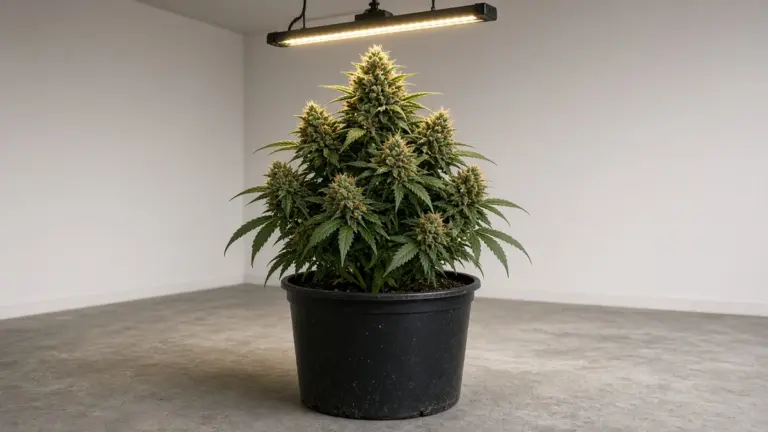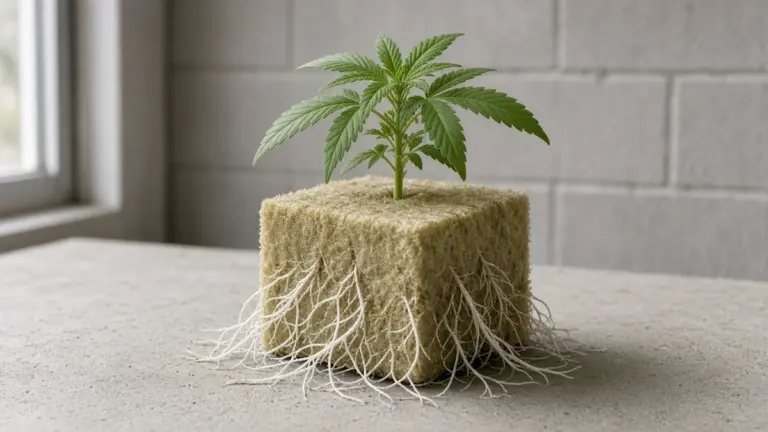


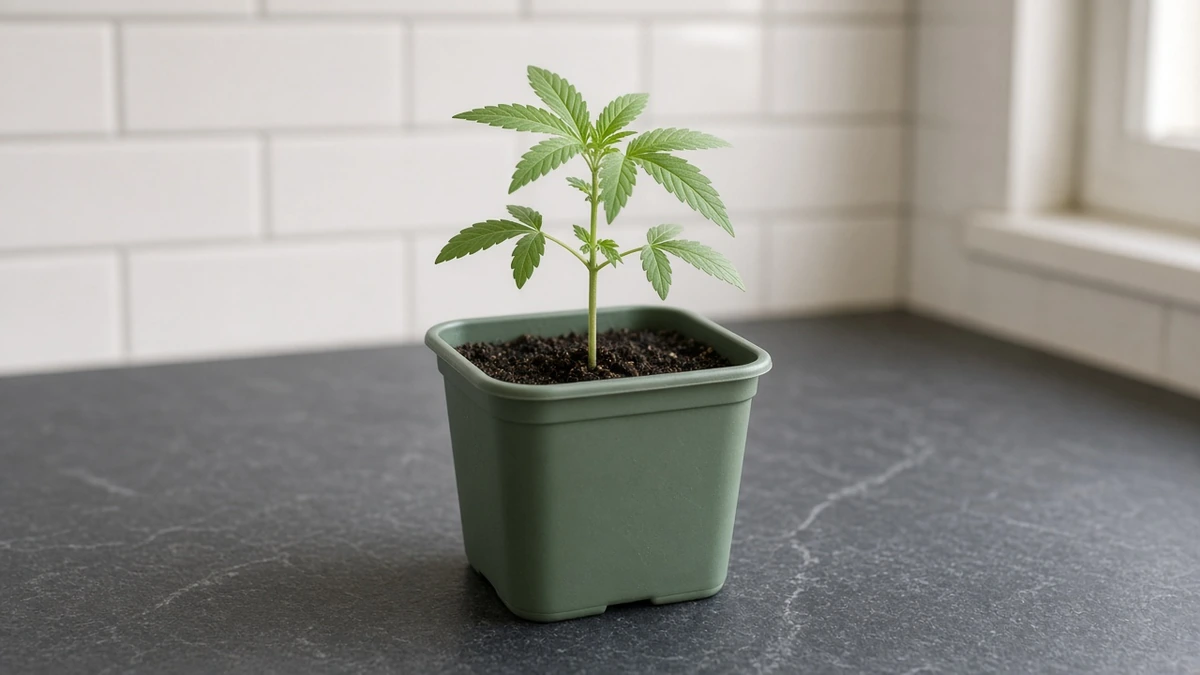
Gelonade opens with sour lemon and bright citrus, then settles into a sweet vanilla finish that keeps the tartness from turning sharp. Connected Cannabis Co. bred this hybrid from Lemon Tree and Gelato #41, and the result is an uplifting, energetic cultivar that many people reach for during the day or in the early evening. For growers, the Gelonade strain offers something a little different from the dessert-heavy Gelato offspring that crowd so many menus: a genuinely lemon-forward plant with just enough sweetness to round it out. Rooted cuts on the I Want Clones (IWC) marketplace come from trusted vendors who supply the shop. To look for clones, visit the I Want Clones shop.
Gelonade Genetics and Lineage
Gelonade’s character makes sense once you look at its parents. The sour lemon and citrus that lead the profile track with Lemon Tree, and the sweet vanilla note on the finish tracks with Gelato #41. The combination produces a lemon-forward hybrid with a soft, sweet close, which sets it apart from both straight lemon-candy cultivars and dessert strains that carry little or no citrus. The specific Gelato cut matters, too. This cross was made with Gelato #41 rather than a generic Gelato, and that number is part of the plant’s identity.
Gelato #41 belongs to the much larger Gelato family, which has produced a long list of well-known offspring. Our Gelato strain family guide covers that lineage in more depth for readers who want the broader context.
Because so many citrus cultivars carry similar names, Gelonade is easy to confuse with its neighbors. It is not Lemonade, and it is not Lemon Cherry Gelato or anything sold loosely as “lemon Gelato.” Those are different plants, and a listing that never names Lemon Tree and Gelato #41 may not be this cut.
In the garden, Gelonade behaves as a hybrid, and its effects lean toward the energetic, daytime end of the spectrum. Our guide to indica vs sativa vs hybrid labels explains what those categories can and can’t tell you about a plant. A rooted clone preserves this exact cross from the mother, so growers can skip a search through seedlings that merely share a lemon-sounding name.
Aroma and Flavor
A jar of Gelonade usually greets you with sour lemon and citrus, followed closely by sweet vanilla. The flavor follows the same path, with tart lemon on the inhale, citrus through the middle, and a gentle vanilla sweetness on the exhale. It’s easy to see where the name comes from, and growers who want a bright lemon profile without sacrificing a smooth finish will find a lot to like.
That sour-lemon edge can be sharp in a sealed flower room, even though the vanilla softens it in the cured flower. A carbon filter and a well-sealed exhaust path are worth having in place before the plant begins to flower. Growing from a clone won’t make the room any less aromatic, but it does make the finished profile easier to predict.
Gelonade Strain Effects
Gelonade tends to feel uplifting and energetic, often talkative or social, with a tingly, focused edge. That lively character is why so many people save it for the daytime or early evening, when they want a lift rather than a heavy finish. As with any cultivar, individual experiences vary, and nothing here should be taken as medical advice.
Dose, tolerance, and the way the flower was grown and cured all influence how a particular batch feels. People trying Gelonade for the first time usually start with a modest amount and adjust from there. A clone keeps the genetics consistent, but it can’t predict how any one person will respond.
Growing Gelonade From a Clone
Starting Gelonade from a rooted clone skips germination and the uncertainty of a seedling hunt. Because the cut is a genetic copy of its mother, the lemon, citrus, and vanilla profile it produces is the same one that mother was selected for. If you’re new to this format, our guide to rooted clones shows what to expect when you open the box.
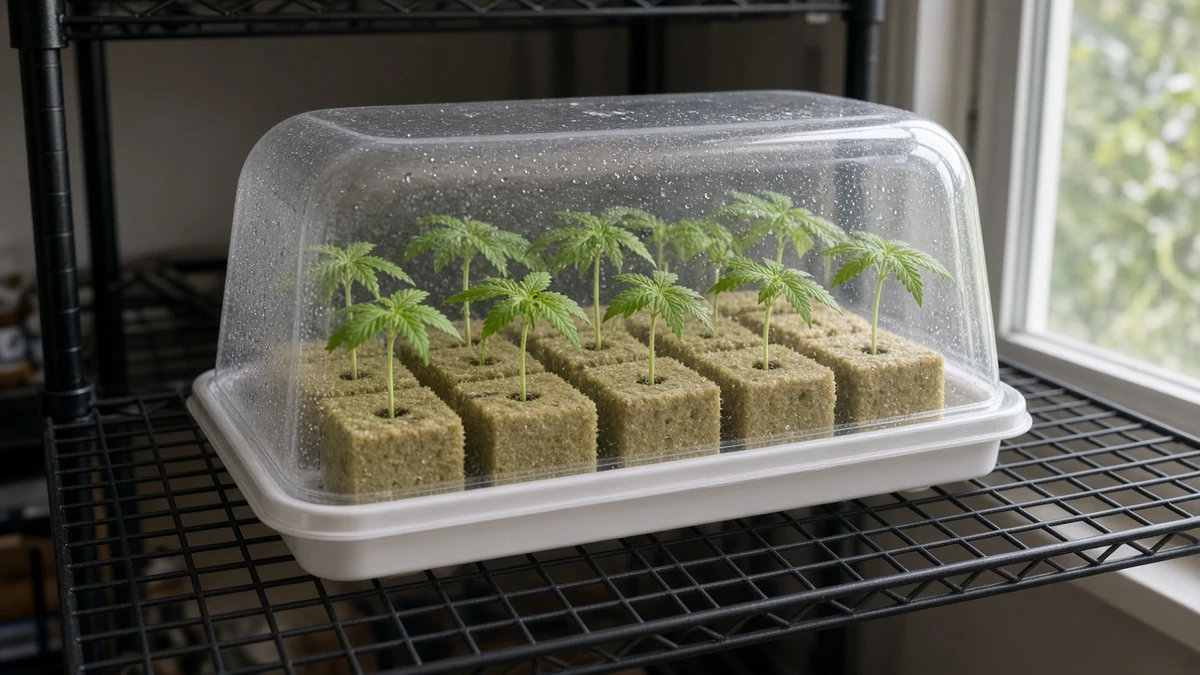
The first priority is a calm, careful intake rather than an immediate prune or a move into a much larger container. Our clone arrival checklist walks through those first steps. After that, keep the new plant away from the rest of the garden. IWC recommends a two-to-four-week isolation period before a new cut joins other plants, and the quarantine guide explains how to use that time to watch for pests and other problems. The goal during this stretch is isolation and observation, not a race into flower.
Once the plant has settled and white roots are visible along the sides of the plug, it’s ready for its first container. The plant’s condition is a better guide than the number of days since arrival, and our article on when to transplant clones covers the readiness signs, along with the extra care that shipped plants need. Choose a pot only slightly wider than the root mass, set the plug level with the fresh medium rather than burying it or leaving it perched on top, and water just enough to connect the cube to the surrounding mix. Letting the container lighten before watering again matters more than it might seem, since a soaked first week is one of the most common reasons a new transplant stalls. Hold off on full-strength feeding until new growth is obvious.
A few days of moderate light after the move will help the plant recover before you increase intensity. It’s also important not to flip a freshly potted cut into flower. Giving it time in veg to add a new set of leaves, fill the pot with roots, and show how it wants to stretch makes later training much easier, because the plant is growing on its own terms instead of recovering from shipping and a photoperiod change at the same time.
During vegetative growth, pay attention to how the plant develops before settling on a training plan. Some hybrids stay compact, while others need more lateral room, and Gelonade’s structure is best judged from the plant in front of you. An even set of tops will serve you better at harvest than a single tall cola, so rotate the plant if one side reaches for the light and tuck or tie the laterals outward as they lengthen. Leaving space between pots and keeping air moving beneath the leaves will also prevent moisture from lingering in the canopy. Notes on stretch and internodal spacing taken during this window are far more useful than a height target copied from a catalog when it’s time to set a trellis.
Clear labeling is worth the extra minute, particularly in a shared room. Names like Lemonade and Lemon Gelato are easy to mix up, and a pot labeled with the parent line, Lemon Tree and Gelato #41, prevents confusion later on.
Gelonade usually finishes in eight to nine weeks of flower. Treat that window as a guide rather than a deadline, and let the trichomes and how fully the colas fill make the final call. Keeping enough space between tops for light and air to reach the interior will help the colas finish evenly. Once the flip is behind you, most of the work comes down to support and patience. Tie or net heavy colas before they begin to lean, keep the canopy level, and check a few trichomes with a loupe before choosing your harvest window.
Drying and curing deserve the same patience. A rushed dry can flatten the citrus and dull the vanilla, while sealing jars too early tends to mute the lemon and leave a sharper finish than the cultivar should have. A slow dry and an unhurried cure give both sides of the profile their best chance to come through.

Training, Feeding, and Common Problems
Space is the first thing to plan for. Plants that look tidy in small pots can fill a bench quickly once their roots take hold, and a crowded room is harder to inspect. Giving each Gelonade plant enough room under the light keeps its laterals from weaving into a neighbor and makes problems easier to spot early.
Once a plant is established, topping, low-stress training, or a scrog net can all work well, depending on the room. A level canopy with steady airflow suits this cultivar’s bright, aromatic flower far better than a hard prune in the first week. It’s best to wait until the plant has anchored in its first container and is consistently pushing new tops, because topping a clone that hasn’t left its arrival plug usually costs more time than it saves. From there, one or two well-placed toppings and a few ties are often enough to open the plant across a wide, even table. If your space is set up for a screen, it can go in at the same stage, though it’s worth waiting until the tops are reaching for the light on their own rather than installing a net while the plant is still recovering from its first transplant.
Training isn’t a reason to increase feed strength. Topping and tying already ask the plant to redirect its energy, so it’s better to keep watering on the usual dry-back schedule and give the new shoots a few days before changing nutrients or lighting. If a bent stem kinks, a support left in place will do more good than trying to force it back in one session.
Gelonade doesn’t call for a special nutrient lineup. What it benefits from most is a stable environment and changes made one variable at a time. If the plant stalls after a move, with drooping leaves, a pot that stays heavy, or a sudden jump in light, look at the roots and the room before reaching for a new bottle. Leaves that claw or show tip burn after the first feedings usually call for a lower strength and a check of runoff and root health, while lower leaves that yellow after a heavy watering more often point to a wet root zone than to a need for more food.
As the colas swell in flower, keep an eye on the interior of the plant. Removing only the sites that will stay in shadow, while leaving enough foliage to feed the plant, is a cleaner approach than stripping a plant that has only recently settled into its space.
If a clone arrives damaged, dead, or clearly unhealthy, contact IWC within three days of delivery and include clear photos of the plants and the packaging (claims policy). Keeping those photos with your shipping notes will make the rest of the process easier.
A Practical Path To a Gelonade Clone on I Want Clones
I Want Clones is a marketplace rather than a nursery, and it doesn’t sell seeds. Clone to Home lists this Lemon Tree and Gelato #41 cut as part of the Clone to Home collection, which gives growers a direct path to the selected lemon-citrus profile without a seed hunt or a mix-up with Lemonade. The Gelonade product listing shows current availability, and readers who want to know how vendors join the marketplace can find our standards on the vendor listing page.
Who Gelonade Is For
Gelonade is a natural fit for growers who want sour lemon and citrus balanced by a sweet vanilla finish, and who would rather start from a proven rooted cut than sort through lemon-named seedlings. Its energetic, daytime character also makes it a good choice for people looking for an uplifting hybrid rather than a heavy evening plant.
Newer growers can run it successfully from a clone, provided they take the intake, isolation, and transplant steps seriously before flipping the room. A rooted cut eliminates the phenotype hunt, but it doesn’t eliminate the need for a clean space and a calm first week. Anyone who prefers a sedating finish, or a fruit profile without lemon, may be happier with something else. For a fruit-forward alternative, take a look at our Super Boof strain guide, and for a gassier option, the Permanent Marker strain guide is a good place to start.
Frequently Asked Questions
Is Gelonade indica or sativa?
Gelonade is a hybrid with an energetic, daytime character. Our guide to indica vs sativa vs hybrid labels explains how those terms are used.
What are Gelonade strain effects?
Gelonade tends to feel uplifting and energetic, often talkative or social, with a tingly, focused edge. Individual experiences vary, and this information is not medical advice.
What is Gelonade’s lineage?
Gelonade is a cross of Lemon Tree and Gelato #41, bred by Connected Cannabis Co. Our Gelato strain family guide covers the wider family around the Gelato #41 parent.
What strain is lemon Gelato?
The phrase usually refers to Lemon Cherry Gelato, a different Gelato offspring, rather than Gelonade. Our Lemon Cherry Gelato strain guide covers that plant in detail.
Is Gelonade the same as Lemonade?
No. The Gelonade strain is the cross of Lemon Tree and Gelato #41, while Lemonade is a separate cultivar with its own name and lineage.
Where can I buy a Gelonade clone?
Clone to Home offers Gelonade on I Want Clones, and the Gelonade product listing shows current availability. Every cut in the catalog comes from trusted vendors, and the marketplace sells clones rather than seeds.
Finish the Lemon-Citrus Profile From a Rooted Cut
The Gelonade strain rewards growers who want a bright, lemon-forward hybrid with a smooth vanilla finish and an uplifting feel. Starting from a rooted cut keeps that profile true to the mother plant, and a patient first few weeks, from isolation through the first transplant, sets it up to finish the way it should.